
Looking backwards is a poor way to assess Asia’s future

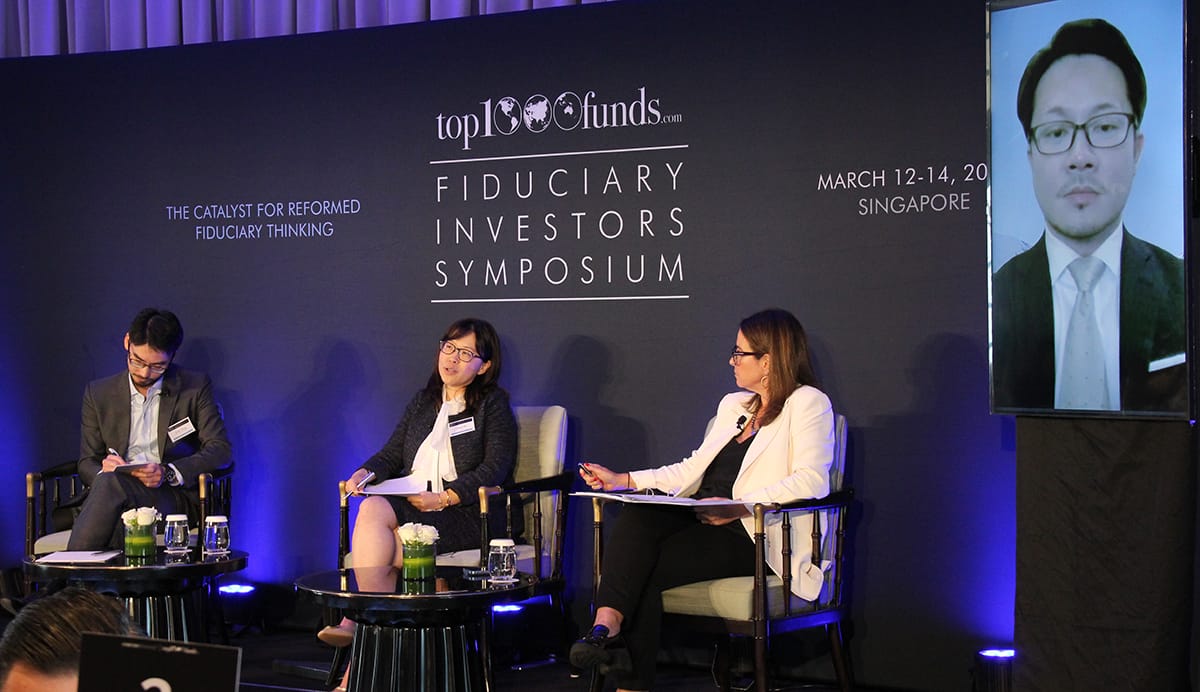
L-R: Andy Wong; Grace Qiu; Top1000funds.com's Amanda White; Kevin Bong (on screen)

The specific drivers of growth for Asian econo
Continue Reading

A Top1000funds.com subscription unlocks the full article

Join the global institutional investment platform read by the world's largest asset owners, fund managers and consultants.

New here

Create an account

Complimentary to register. We'll verify your details and grant access to the archive, our newsletters and the Asset Owner Directory (enhanced features coming soon).
Register now
Already a member

Sign in

Already activated your account? Sign in to continue reading and access your saved articles, preferences and member-only content.

Leave a Comment

Impact investing’s case for scale

Impact investing’s case for scale

Impact investing has come a long way in the past two decades, going from a niche strategy to a $1.5 trillion industry, but there are still challenges for it to reach institutional scale due to the lack of products and insufficient evidence of outperformance in some parts of the market.

Sort content by

The technology metamorphosis

Investors are constantly looking at what the next drivers of growth will be, where they will be located, and who will benefit from them.

Expected returns in the 2020s and the post-pandemic Economy

The COVID crisis ushered in the paradigm shift to the MP3 world, characterized by the unprecedented combination of fiscal and monetary policy responses around the globe.

America’s net zero opportunity

Research from Princeton University plots a Blueprint for how the US can achieve net zero emissions in the next decade showing the key is overcoming execution challenges including the infrastructure deployment and the mobilisation of capital and labour.

Sustainability and the need for practicality over ideology

Stephen Kotkin, Professor in History and International Affairs, Princeton University warned that the sustainability debate needs to become less ideological and more practical. He added that policy on a carbon price would do more to counter climate change than Biden’s huge infrastructure spend.

Unprecedented opportunity ahead

The climate challenge requires new investment on a staggering scale: new generating capacity, the electrification of everything, emissions-free fuel, carbon capture and sequestration, new supply chains and infrastructure, plus the building of negative emissions technologies. Stanford’s Dr Arun Majumdar explores the opportunities for new investment, the risk return trade-off and how investors should approach the opportunities.

Decarbonisation and value creation go hand in hand

The Boston Consulting Group - the consultancy partner of COP26 - has worked across multiple industries with investors to transform high emitting businesses while creating meaningful value in the process. The consultant outlines why decarbonization and value creation can go hand-in-hand.

Previous



