
Canada to allow retail contribution to new SWF

Mark Carney

Canada has established its first national-level sovereign wealth fund with a seed of C$25 billion ($18.3 billion) to underwrite “nation-building” projects like ports, mines and energy infrastructure.

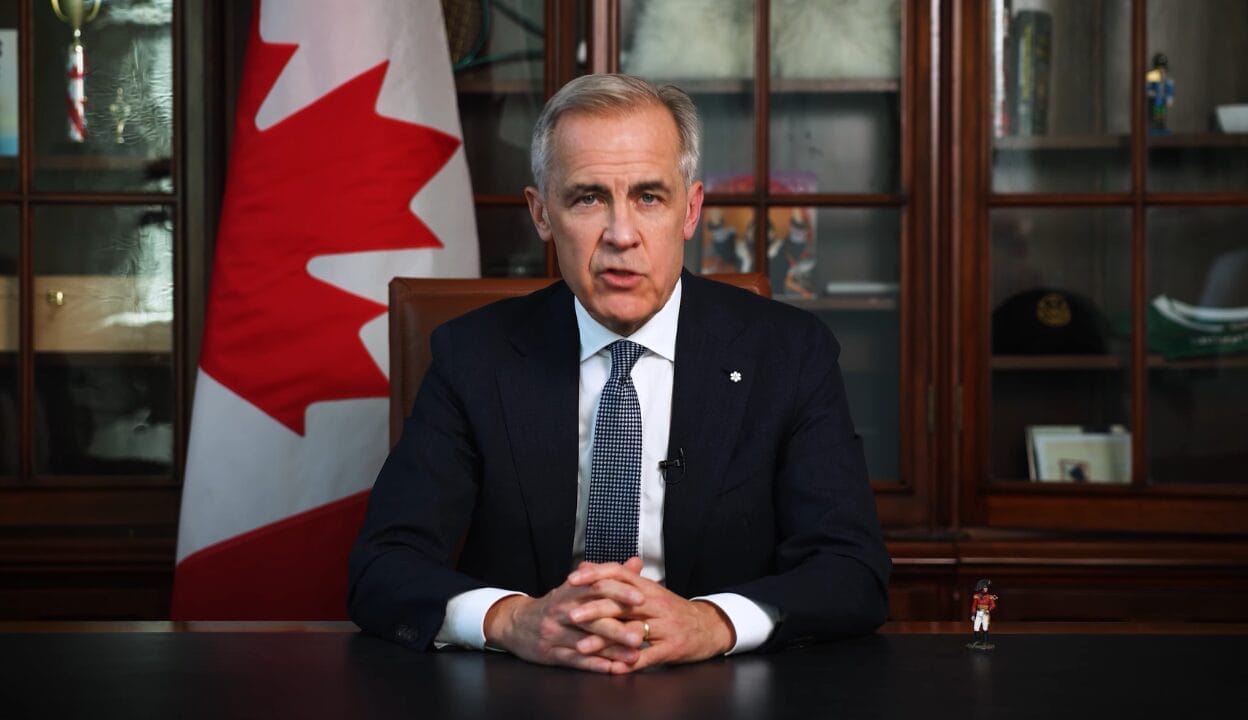
In an announcement on Monday, Prime Minister Mark Carney says the SWF, dubbed the Canada Strong Fund, will invest alongside domestic and international private investors to drive “economic transformation”. The announcement comes amidst a global push for sovereign wealth funds to involve themselves more deeply with nation-building activities, with Australia’s Future Fund recently having its mandate amended to require it to consider “national priorities” when making or managing investments.

The Canada Strong Fund will operate at arm’s length from the government as a Crown corporation – sharing the same status with CPP Investments – and be led by a chief executive and a “qualified independent” board of directors. The organisation will be overseen by the Minister of Finance and National Revenue.

The initial seed will be released by the government over the next three years, with the expectation that returns on investments will give the fund a boost in AUM over time. But there will also be a retail investment product which will allow “individual Canadian investors to participate in Canada’s growth and benefit from its financial returns”.

The latter is an unusual funding mechanism as sovereign wealth funds typically manage pools of state capital, derived from natural resources or foreign exchange reserves. Some SWFs also issue bonds to diversify their funding sources, such as Abu Dhabi’s ADQ and Malaysia’s Khazanah Nasional Berhad.

The government also flagged the possibility it would explore more diversified funding sources in the future. Canadian advocacy and research group Common Wealth suggested this could be from common assets such as natural resources rent, use-fees on public property and public-private partnership equity; value created in the economic system such as budget surpluses; or “market concentration fees” such as levies on anti-competitive practices.

Sponsored Content

A “Canada Strong Fund transition office” will also be established to engage with other market participants and regulators.

“Through the Canada Strong Fund, all Canadians will have the opportunity to share directly in these benefits. This is our country, this is your future, and we are building it together,” Carney said.

 Details are scant on how the pool of capital will be invested, and it is still unclear as to whether the fund will house an internal investment team or leverage external managers, what type of assets it will invest in and what its return targets will be. Details around mandate, governance and implementation plans will be bedded down in the coming months.

Canada is the latest in a slew of countries that have established SWFs or kicked off the process to do so in recent years. US President Donald Trump signed an executive order to establish a US SWF last February, though its specific shape remains unclear as the 90-day deadline to release a plan for the SWF came and went without further news.

President Donald Trump has loosely described the objective of the US SWF in the executive order as being for the “sole benefit of American citizens”. Stanford expert Ashby Monk believes that to mean it is likely to be a sovereign development fund – a type of SWF “that strategically pursues both commercial returns and specific domestic policy goals”, the research paper says.

Indonesia established its second SWF Danantara last February “to manage and optimise government investments and assets from state-owned enterprises”.

The Canada Strong Fund joins other state investment vehicles including Canada Infrastructure Bank, Export Development Canada and the Canada Growth Fund to underpin investments in essential projects. “Comprehensive mandate reviews” will be conducted to ensure clarity of roles in the federal financing system.

Leave a Comment

TPA to usher in clearer accountability at CalPERS

TPA to usher in clearer accountability at CalPERS

CalPERS chief investment officer Stephen Gilmore said the $650 billion fund’s upcoming shift to a total portfolio approach will sharpen investment accountability and help it focus capital allocation decisions on fund-level objectives.

Sort content by

The best of 2023

In 2023, readers embraced our in-depth analysis and Investor Profiles as we continue our quest for a deeper understanding of institutional investment best practice and driving the industry to produce better outcomes for stakeholders. Below is a look at the most popular stories of 2023.

Helmsley meets new managers as it hunts for different strategies

Helmsley Charitable Trust is meeting new investment managers on the hunt for new exposures and allocations in the new economic regime. On the eve of her departure Rosalind Hewsenian explains how she approaches new manager relationships.

COP28: Transition ‘out’ is now transition ‘away’

After COP28 Tim Hodgson says the investment industry needs to decide whether the transition away from fossil fuels will be too little, too late or whether net zero by 2050, with all the associated transformational consequences, is possible. Either way the industry needs to “get really good at intertemporal risk management”.

At COP28, financial sector innovation bolsters headlines

COP28 in Dubai had all the ingredients for both decisive action and controversy, given the UAE's status as a significant fossil fuel producer. But importantly for this sector there was also financial innovation on display. FCLTGlobal’s Olivier Lebleu highlights some of the fund managers showing ingenuity at COP28.

Norway’s GPFG argues the case for private equity – again

NBIM has petitioned politicians to let it invest in private equity - again. Arguing for a 3-5 per cent allocation with large managers in developed markets, NBIM recognises it will be unable to cap fees like in its other allocations and will curb costs by developing a co-investment program.

Behind CalSTRS’ cost savings: Better returns and control of risks

CalSTRS has saved more than $1.6 billion in costs since 2017 thanks to its collaborative model approach, which brings more assets in-house and encourages the use of different investment vehicles. Now it’s looking to measure the other benefits including boosted returns and more control over risks.

Previous



