
Biden’s focus: Climate, China and Jobs

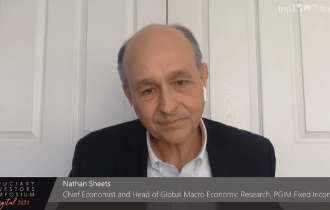
PGIM's chief economist and head of global macroeco
Continue Reading

A Top1000funds.com subscription unlocks the full article

Join the global institutional investment platform read by the world's largest asset owners, fund managers and consultants.

New here

Create an account

Complimentary to register. We'll verify your details and grant access to the archive, our newsletters and the Asset Owner Directory (enhanced features coming soon).
Register now
Already a member

Sign in

Already activated your account? Sign in to continue reading and access your saved articles, preferences and member-only content.

Leave a Comment

Inside the year-and-a-half-long review into ATP’s complicated portfolio

Inside the year-and-a-half-long review into ATP’s complicated portfolio

Danish pension giant Arbejdsmarkedets Tillægspension (ATP) has been urged to cull risk, establish formal portfolio benchmarks and reduce private markets exposures, according to an external review committee which handed down a 536-page report into the fund’s investment operations after an 18-month review. Following the release of the report by the board this week, co-author of the review Andrew Ang unpacks the findings with Top1000funds.com.

Sort content by

Why traditional investment committees can amplify group biases

Investment committee meetings, a governance cornerstone at every asset owner organisation, run the risk of amplifying group biases and social dynamics, and can push the IC towards recommending more extreme investment positions collectively than the average of their individual views. Bernhard Scherer, head of portfolio implementation at ADIA, unpacks the thesis in a new paper.

Finland’s Elo: Larger equity allocations promise new media scrutiny

As Finland's pension funds prepare to increase their equity allocations to unprecedented levels compared to global peers, they must also navigate a new and unfamiliar risk. Elo's chief investment officer Jonna Ryhänen explains the fund's investment approach going forward and how it will manage stakeholder and media scrutiny as they react to swinging volatility and returns.

Ohio STRS warns of higher US recession risk; prioritises liquidity

The State Teachers Retirement System of Ohio has warned of a “material” increase in US recession risk compared to last year as the fund braces for a wider, “negatively skewed” distribution of outcomes in the next 12 months. It came as the mature plan, which is 81 per cent funded, is tilting to fixed income and new asset classes like liquid alternatives over equities.

PMT talks infra equity and how to balance stock concentration risk

Scenario testing has put inflation risk front and centre at PMT, the Netherlands’ third largest pension fund, and it's driving the investor to take stock of the inflation protection it gets from infrastructure. In an interview with Top1000funds.com, chief investment officer Hartwig Liersch unpacks the risk, as well as another initiative where it's balancing concentration risk in the equity allocation without hurting returns.

NZ Super cuts benchmark return expectation on US valuation concerns

A view that the US stock market is overvalued and equity risk premia will be lower over the long term has driven New Zealand Super to lower the return expectations for its reference portfolio following its recent five-yearly review of the benchmark. Co-chief investment officer Brad Dunstan also flags underweight commodity exposure as an area to address and explains why the fund remains sceptical of illiquidity premia despite seeing a growing case for private markets.

Sampension: Why there are many reasons to be optimistic

Now is not the time to reduce risk, argues Henrik Olejasz Larsen, chief investment officer of Sampension, Denmark’s $50 billion pension fund for public and private sector employees. In an interview with Top1000funds.com, he says corporate profits have not deteriorated, and although the market has been tested from multiple directions, the underlying optimism driving equities is strong enough to overrule the negative impact of geopolitical risk.

Previous



