
Better performance and alignment of purpose: The benefits of TPA

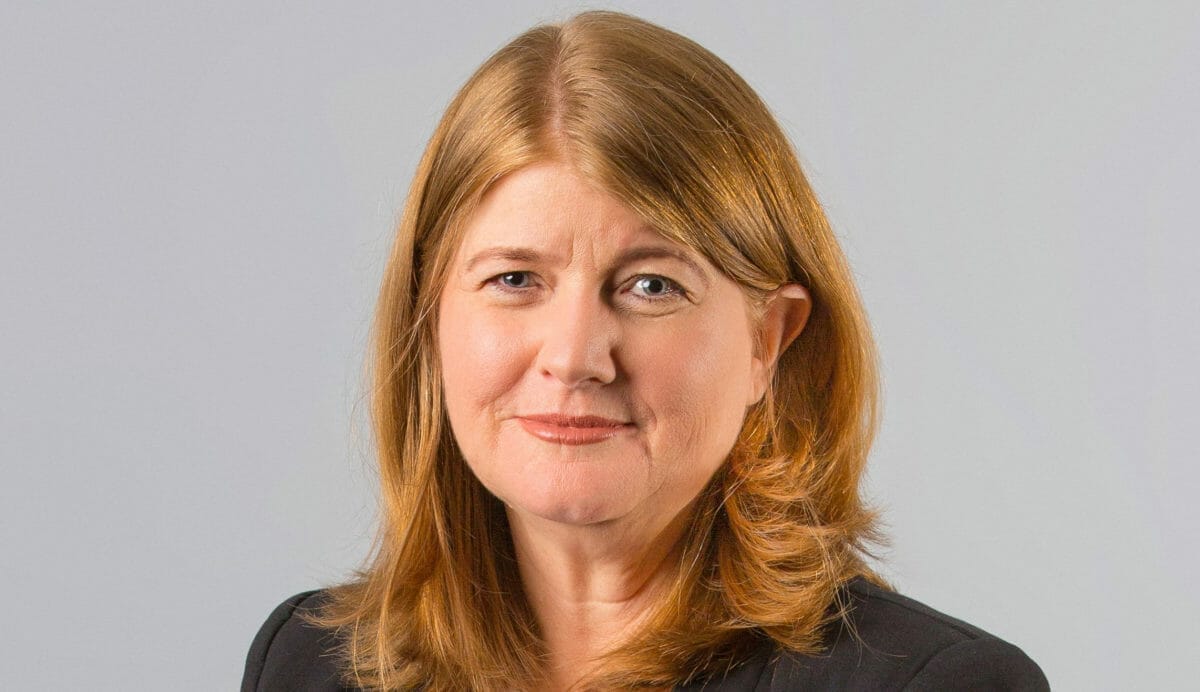
Sue Brake

A total portfolio approach aligns investment implementation with the purpose of being a fiduciary, rather than short term or relative performance. Not only that, there is huge upside performance from the approach, the source of which is not what you might think, according to Sue Brake, former CIO of the Future Fund and proponent of the approach.

The return benefits of a total portfolio approach, compared to the historical strategic asset allocation, are not the sum of its parts. It’s much more than that, but the sources of the return are not what you might think, says Sue Brake, former CIO of the Future Fund and an experienced practitioner of TPA.

A recent study by WTW and the Future Fund found that of 26 funds surveyed, those that use a TPA approach added 1.8 per cent pa for 10 years above those using SAA. Brake thinks that’s an underestimation.

“I’ve done some work for a client where I showed them it was 2.4 [per cent per annum],” she says.

Brake, who is now an independent consultant and sits on the high-profile five-member investment and risk advisory panel for the Monetary Authority of Singapore, says TPA allows asset owners to behave long-term, be nimble and innovative in portfolio construction.

The industry is moving away from an SAA mindset where “some ivory tower boffins have decided what the portfolio looks like” and individuals can only make the best of the piece of portfolio they got, she says.

Sponsored Content

“It’s a very elbow-out, hungry, innovative and efficient [kind of culture in SAA], efficient if you’re trying to optimise the value of that small component.

“But what the total portfolio research is telling you is that the sum of all those efficient components is not equalling the whole that you get when you run it as one portfolio that is more coordinated.”

The extra return, she says, does not come from where people usually think namely, taking on more risk.

“A large chunk of it is coming from being nimble,” she says.

The portfolio dynamism benefits of the systems-thinking TPA approach were also identified by WTW’s Roger Urwin in the asset owner study, particularly given increasingly complexity in global markets.

Crucial for asset owners

Brake says TPA is crucial for asset owners, because they fundamentally operate differently from other investment organisations like an asset manager. Managers work well in silos because they are “paid to worry about beating a benchmark”, but asset owners have more considerations in their purpose and TPA is a valuable tool to implement that.

“Great investment organisations, great asset owners, have got such clarity with their stakeholders, because the foundational law that you have, or whatever other regulatory or mandate guidance you have, cannot do justice to the nuance of the risk appetite and aspirations of the actual owner of the money,” she says.

“You are the asset owner in the sense that you’re managing it on behalf of someone, because you’re the investment expert.

“The whole industry just gets so obsessed with relative performance I think they lose sight of what it is that you’re actually trying to do.”

Brake is of the view that short-termism is one of the most prominent investment angsts.

“There are some situations where competition is a marvellous thing, but there are others where it doesn’t help, and the investment industry is one where it doesn’t help because it forces you to become so focused on not being the bottom that you’re short term,” she says.

“If you’re short term, you now have to rely on skill to beat indices, because the long horizon opportunities are not available to you, and skill is incredibly rare, difficult and expensive.

“It’s just not a game that most of us should be playing.”

In some ways the central banks are great examples of organisations with a clear purpose with their sole focus on an inflation target, Brake says, but they still feel the pressure when knock-on effects such as unemployment start to emerge. That’s not dissimilar to what asset owners are experiencing with the politicisation of their investment processes and the need to invest in, for example, nation-building areas, she says.

“For me, purpose needs to be at the centre of what you’re trying to do – a really clear articulation of it, and a clear understanding of the risk appetite,” Brake says.

“If everything is geared towards achieving that [purpose], then you’ve got a better likelihood of achieving it.

“It’s a philosophical thing.”

Leave a Comment

New Jersey’s $85 billion fund stockpiles cash, eyes PE secondaries

New Jersey’s $85 billion fund stockpiles cash, eyes PE secondaries

An underweight position across private markets, predicated on a view that geopolitics and inflation mean interest rates are not coming down any time soon, has positioned the New Jersey Division of Investment with plenty of dry powder and a cash position four times the policy allocation. It is now readying for opportunities in private equity secondaries and with emerging managers. Chief investment officer Shoaib Khan spoke to Top1000funds.com.

Sort content by

NBIM prioritises trading efficiency, AI and culture in three-year plan

The largest investor in the world, Norges Bank Investment Management, is investing in AI to reduce costs, increase trading efficiency, and make better active decisions. The fund has set out its three-year strategy which also includes focusing on targeting managers with more flexibility to express negative views.

Private equity: Arizona’s ASRS argues the case for secondaries

The $50 billion Arizona State Retirement System is pushing into private equity secondaries, actively looking to invest in stakes being overloaded by other LPs, in a strategy that will complement its co-investments program and SMA investments with external managers. It’s looking for opportunities across the US and Europe.

TIFF plays the long game in venture capital

The $9 billion asset manager for 500 US endowments and foundations, TIFF, is famed for its PE and venture capital allocation. Head of private markets Brendon Parry reflects on his priorities, including navigating the winners and losers of AI, and leaning into independent sponsors and relationships with the best managers.

Danish investors shun the US but complete divestment ‘unlikely’

Danish pension investors are pulling capital out of US Treasuries amid tensions around Greenland, but a complete divestment from the world’s biggest market will hurt Danish funds’ performance and ultimately their pensioners more than the US government’s balance sheet.

Can risk 2.0 save us from crises yet to come?

In this regular column from WTW's Thinking Ahead Institute, researcher Andrea Caloisi explores two potential risk events in the future and how a more interconnected risk mindset, or 'risk 2.0', can protect us from them.

Railpen ups infra allocation; commodities investments get the green light

Railpen will ramp up its infrastructure allocation and take on more core-plus and value-add assets to complement its existing core exposures. It also received the nod to a commodities allocation which director of total portfolio investments John Greaves believes is a hedge to inflation and uncertain central bank policies.  

Previous



