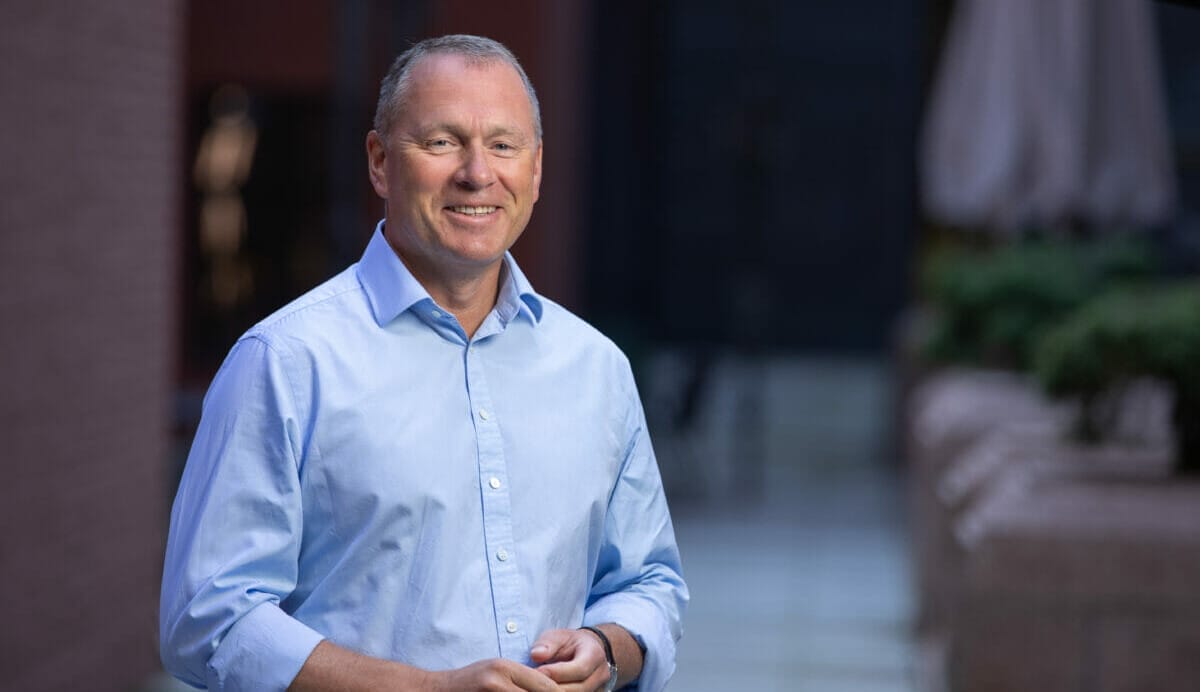
An announcement from the editor

Today marks a new chapter for our publication.

For nearly two decades, we’ve provided independent, in-depth journalism on how the world’s largest institutional investors construct portfolios, make allocations and navigate an increasingly complex investment landscape.

We’ve published more than 5,000 stories, connecting you with the thinking, strategies and peers shaping the global investment industry.

That commitment isn’t changing. But from today, access to our journalism will require you to be logged in.

This change helps us protect our original reporting from AI crawling and unauthorised republication, while ensuring we can continue investing in the depth, rigour and specialist journalism you expect from Top1000funds.com.

Registration is simple. Once your account is activated and you’re logged in, you can continue accessing the site as usual.

Sponsored Content

Thank you, sincerely, for your ongoing support. And if you have any feedback or ideas for how we can improve, please feel free to get in touch.

For more context on the change, and why we believe it’s important, watch my short video above.

Continue Reading

A Top1000funds.com subscription unlocks the full article

Join the global institutional investment platform read by the world's largest asset owners, fund managers and consultants.

New here

Create an account

Complimentary to register. We'll verify your details and grant access to the archive, our newsletters and the Asset Owner Directory (enhanced features coming soon).
Register now
Already a member

Sign in

Already activated your account? Sign in to continue reading and access your saved articles, preferences and member-only content.

Leave a Comment

Could Norway’s SWF really disappear?

Could Norway’s SWF really disappear?

Rising geopolitical risks and an AI correction could severely impact the value of the $2.2 trillion Norwegian sovereign fund, according to its chief executive Nicolai Tangen, who went so far as to say the fund could "disappear." The warning is a stark one for the world's largest sovereign wealth fund, whose 70 per cent equity allocation leaves it heavily exposed to any sharp correction in global and particularly US tech markets.

Sort content by

APG hunts impact and returns in gender equity and climate action SDGs

Dutch asset manager APG's latest impact investment offers a compelling alternative to emerging market corporate and sovereign debt or DFI issuance. The strategy also offers a window into how APG’s responsible investment strategy has evolved.

AI is the challenge (and opportunity) of a lifetime for asset owners

AI may be the greatest challenge and opportunity facing the current generation of institutional asset owners. Top1000funds.com takes a deep dive into the world of machine learning and how and why the world’s leading asset owners are embracing AI in their assessment of investments and their own internal efficiencies.

How Denmark’s Industriens is exploring AI to overhaul risk analysis

Industriens, the DKK 217 billion ($30.6 billion) Danish pension fund, is using advanced technology and exploring AI models to bring sweeping advantages to its risk management processes. Julia Sommer Legaard, investment risk and data manager at the fund for the last year, explains the process behind the innovation.

CIOs’ predictions for 2024

In a year forecast to be volatile, and with the spectre of recession still very much on the cards, Top1000funds.com finds CIOs exploring new strategies, paring back on active equity, investing in technology and wrestling with the many disparate approaches to sustainability.

The best of 2023

In 2023, readers embraced our in-depth analysis and Investor Profiles as we continue our quest for a deeper understanding of institutional investment best practice and driving the industry to produce better outcomes for stakeholders. Below is a look at the most popular stories of 2023.

Helmsley meets new managers as it hunts for different strategies

Helmsley Charitable Trust is meeting new investment managers on the hunt for new exposures and allocations in the new economic regime. On the eve of her departure Rosalind Hewsenian explains how she approaches new manager relationships.

Previous