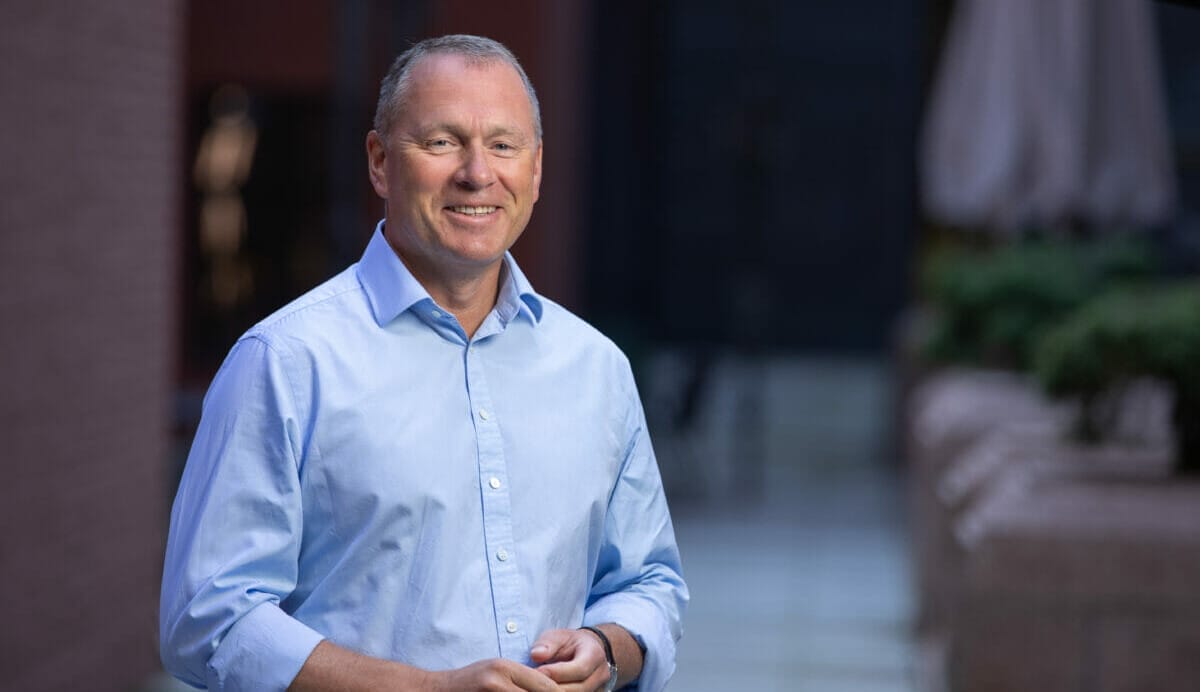
An announcement from the editor

Today marks a new chapter for our publication.

For nearly two decades, we’ve provided independent, in-depth journalism on how the world’s largest institutional investors construct portfolios, make allocations and navigate an increasingly complex investment landscape.

We’ve published more than 5,000 stories, connecting you with the thinking, strategies and peers shaping the global investment industry.

That commitment isn’t changing. But from today, access to our journalism will require you to be logged in.

This change helps us protect our original reporting from AI crawling and unauthorised republication, while ensuring we can continue investing in the depth, rigour and specialist journalism you expect from Top1000funds.com.

Registration is simple. Once your account is activated and you’re logged in, you can continue accessing the site as usual.

Sponsored Content

Thank you, sincerely, for your ongoing support. And if you have any feedback or ideas for how we can improve, please feel free to get in touch.

For more context on the change, and why we believe it’s important, watch my short video above.

Continue Reading

A Top1000funds.com subscription unlocks the full article

Join the global institutional investment platform read by the world's largest asset owners, fund managers and consultants.

New here

Create an account

Complimentary to register. We'll verify your details and grant access to the archive, our newsletters and the Asset Owner Directory (enhanced features coming soon).
Register now
Already a member

Sign in

Already activated your account? Sign in to continue reading and access your saved articles, preferences and member-only content.

Leave a Comment

Could Norway’s SWF really disappear?

Could Norway’s SWF really disappear?

Rising geopolitical risks and an AI correction could severely impact the value of the $2.2 trillion Norwegian sovereign fund, according to its chief executive Nicolai Tangen, who went so far as to say the fund could "disappear." The warning is a stark one for the world's largest sovereign wealth fund, whose 70 per cent equity allocation leaves it heavily exposed to any sharp correction in global and particularly US tech markets.

Sort content by

The 80% outside China and the US must not surrender their agency

It is critical for stakeholders in all nations to find nuanced ways to navigate rising tension between the US and China, and not “surrender agency to the interests of great powers who are much more interested in a zero sum game of ascendancy,” argues Professor Danny Quah from NUS.

Scenario planning critical for investors as US-China tensions rise

Managing the rise of great power competition between the US and China, and not letting it “go off the rails,” is the epochal challenge of our day, according to former US National Security Council member Richard Falkenrath who is now head of geopolitics and chief security officer at Bridgewater Associates.

Billions in dry powder waiting for signs of distress in real estate

The challenges currently outweigh the opportunities in many classes of real assets, and funds have billions in dry powder waiting for better deals, but strong fundamentals will ultimately prevail in the long term, said the head of asset manager Nuveen’s real assets business. The listed real estate sector was last year “trading at some of

60/40 may be ‘flipped around’ as fixed income appeal rises

After more than a decade of high-priced bonds, fixed income is now compensating investors more than many asset classes, argued Raymond Sagayam, chief investment officer, fixed income at Pictet Asset Management in the United Kingdom.

Machines can now detect when bullish executives doubt their own words

Three major trends have converged to drive growing appeal in new alternative data classes of quantitative investing, according to a leading quant researcher. “Quants like us who were in the right place at the right time in history can take advantage of the confluence of these three major secular trends,” said Mike Chen, head of

Sweden’s AP Funds emphasise the long-term as returns take a hit

This time last year, Sweden’s four buffer funds reported the best returns in their history. Fast forward 12 months, and the four funds have posted losses thanks to allocations to equities and fixed income dragging their portfolios down.

Previous