
COVID-19 fiscal recovery packages

The COVID-19 crisis is likely to have dramatic consequences for progress on climate change. Imminent fiscal recovery packages could entrench or partly displace the current fossil-fuel-intensive economic system. Here, we survey 231 central bank officials, finance ministry officials, and other economic experts from G20 countries on the relative performance of 25 major fiscal recovery archetypes across four dimensions: speed of implementation, economic multiplier, climate impact potential, and overall desirability. We identify five policies with high potential on both economic multiplier and climate impact metrics: clean physical infrastructure, building efficiency retrofits, investment in education and training, natural capital investment, and clean R&D. In lower- and middle-income countries (LMICs) rural support spending is of particular value while clean R&D is less important. These recommendations are contextualised through analysis of the short-run impacts of COVID-19 on greenhouse gas curtailment and plausible medium-run shifts in the habits and behaviours of humans and institutions.

Click here to read the full paper
Sponsored Content

Leave a Comment

China ESG risk: the next unknown

China ESG risk: the next unknown

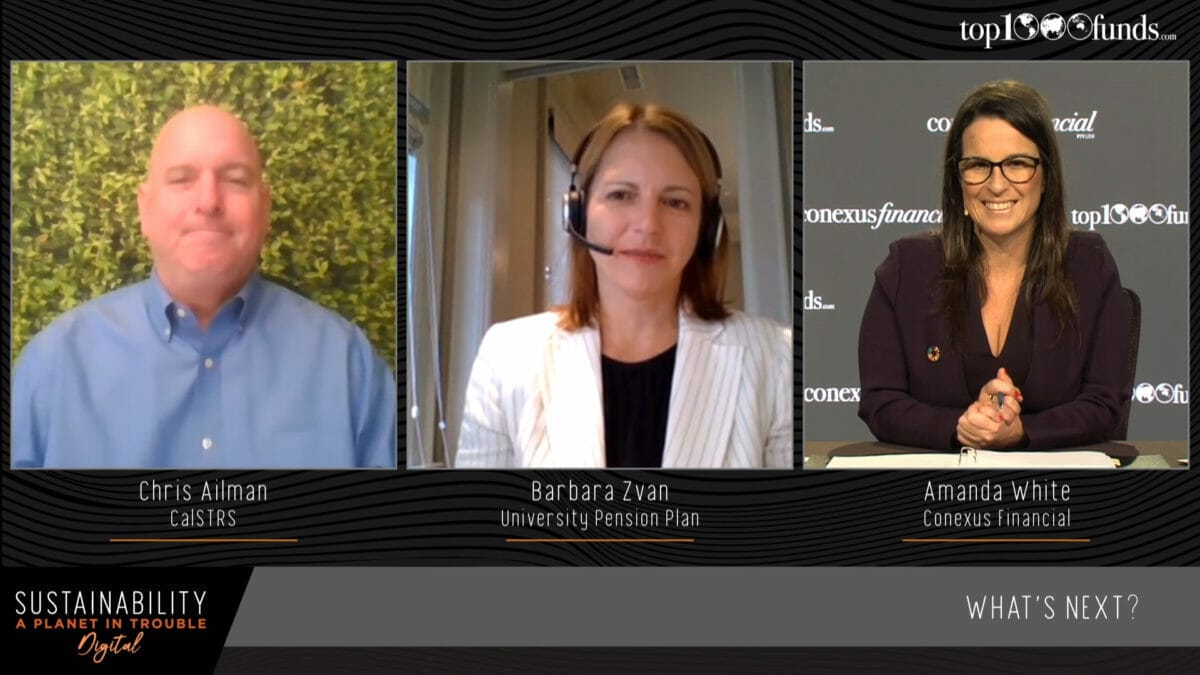
One of the most important, upcoming challenges at CalSTRS is how the fund should evaluate Chinese investments from a human capital and environmental standpoint, says Chris Ailman, chief investment officer at the giant pension fund.

Sort content by

Investors debate engagement priorities

Should investors collectively prioritise engagement issues, and if so what is at the top of the list? This was one of the topics delegates discussed at the 8th Sustainable Finance Forum run by the Oxford University Smith School of Enterprise and the Environment together with The Rothschild Foundation and the KR Foundation.

Sensitive intervention points

Sensitive intervention points in the post-carbon transition. We must exploit socioeconomic tipping points and amplifiers

The big book of SI

It is with great pleasure that we present to you our Big Book of SI. We firmly believe in sustainability investing, and think all the stars are aligned for this investment discipline.

Principles to guide investment

Investors will play a major role, whether active or passive, in climate change mitigation. To enable prudent decision-making, we propose three physically based engagement principles that could be used to assess whether an investment is consistent with a long-term climate goal.

The power of engagement

It is called the “CalPERS’ Effect” but it could easily be called the asset owner effect, or the institutional investor effect, or the power of engagement effect. Wilshire, which is a consultant to the $300 billion Californian fund CalPERS, has provided an update on its study measuring the effect of engagement on a targeted list of companies called the Focus List.

Previous




