Building back better

Solar panels fields on the green hills

[vc_empty_space height=”10px”][vc_media_type_category]For the economic recovery from the COVID-19 crisis to be durable and resilient, a return to ‘business as usual’ and environmentally destructive investment patterns and activities must be avoided.

Unchecked, global environmental emergencies such as climate change and biodiversity loss could cause social and economic damages far larger than those caused by COVID-19.

To avoid this, economic recovery packages should be designed to “build back better”. This means doing more than getting economies and livelihoods quickly back on their feet.

Recovery policies also need to trigger investment and behavioural changes that will reduce the likelihood of future shocks and increase society’s resilience to them when they do occur.

Central to this approach is a focus on well-being and inclusiveness.

Other key dimensions for assessing whether recovery packages can “build back better” include alignment with long-term emission reduction goals, factoring in resilience to climate impacts, slowing biodiversity loss and increasing circularity of supply chains.

Sponsored Content

In practice, well-designed recovery policies can cover several of these dimensions at once, such as catalysing the shift towards accessibility-based mobility systems, and investing in low-carbon and decentralised electricity systems.

To access the paper, Building back better: a resilient recovery after COVID-19, click here
Leave a Comment

China ESG risk: the next unknown

China ESG risk: the next unknown

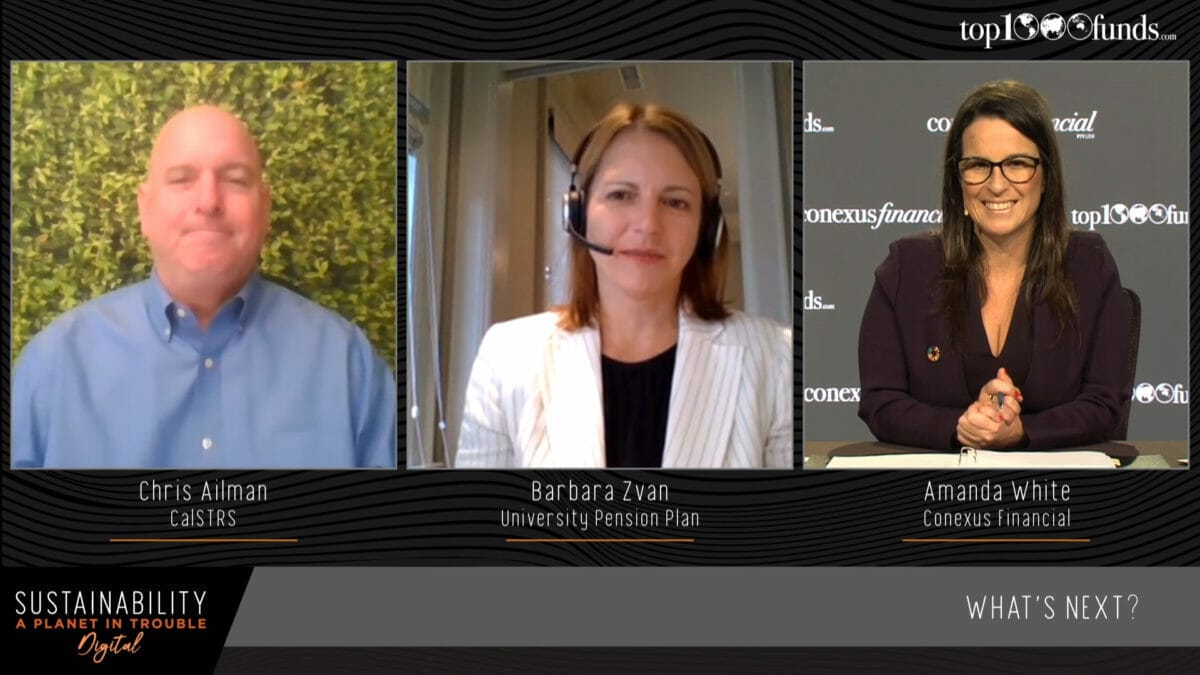
One of the most important, upcoming challenges at CalSTRS is how the fund should evaluate Chinese investments from a human capital and environmental standpoint, says Chris Ailman, chief investment officer at the giant pension fund.

Sort content by

Working flexibly give investors an edge

Schroders’ new flexible working policy has been making the headlines. Their CIO explains why it is integral to providing superior investment performance.

Sustainability and the corporate world

In this article, Schroders focus on six key areas that point to a changing role of the corporate sector in society in the face of “inescapable truths”

Sizing the impact investing market

It is essential that the growth in impact investing is scale with integrity. The first step in that is to determine the current scale of the impact investing market and examine what that may mean for future growth and development.

Covid-19 and relationship with nature

In this series of articles, Federated Hermes will explore the links between infectious diseases, environmental issues and social sustainability, alongside the role of investors and companies. In part one, Sonya Likhtman looks at how the destruction of ecosystems can increase the risk of pandemics.

Prosperity and preservation

Federated Hermes discusses how the exogeneous shock of the coronavirus pandemic has confirmed the importance of sustainability.

Can we adapt to the new climate normal?

Climate change will test our ability to avoid mortal danger more than ever before. Humanity’s ability to adapt, something we have excelled at, must again come to the fore.

Previous




