Building back better

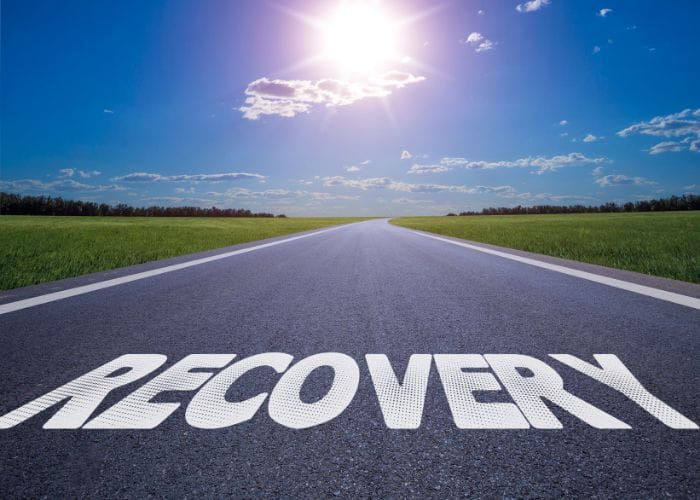
For the economic recovery from the COVID-19 crisis to be durable and resilient, a return to ‘business as usual’ and environmentally destructive investment patterns and activities must be avoided. Unchecked, global environmental emergencies such as climate change and biodiversity loss could cause social and economic damages far larger than those caused by COVID-19. To avoid this, economic recovery packages should be designed to “build back better”. This means doing more than getting economies and livelihoods quickly back on their feet. Recovery policies also need to trigger investment and behavioural changes that will reduce the likelihood of future shocks and increase society’s resilience to them when they do occur. Central to this approach is a focus on well-being and inclusiveness. Other key dimensions for assessing whether recovery packages can “build back better” include alignment with long-term emission reduction goals, factoring in resilience to climate impacts, slowing biodiversity loss and increasing circularity of supply chains. In practice, well-designed recovery policies can cover several of these dimensions at once, such as catalysing the shift towards accessibility-based mobility systems, and investing in low-carbon and decentralised electricity systems.

Click here to read the full report
Sponsored Content

Leave a Comment

China ESG risk: the next unknown

China ESG risk: the next unknown

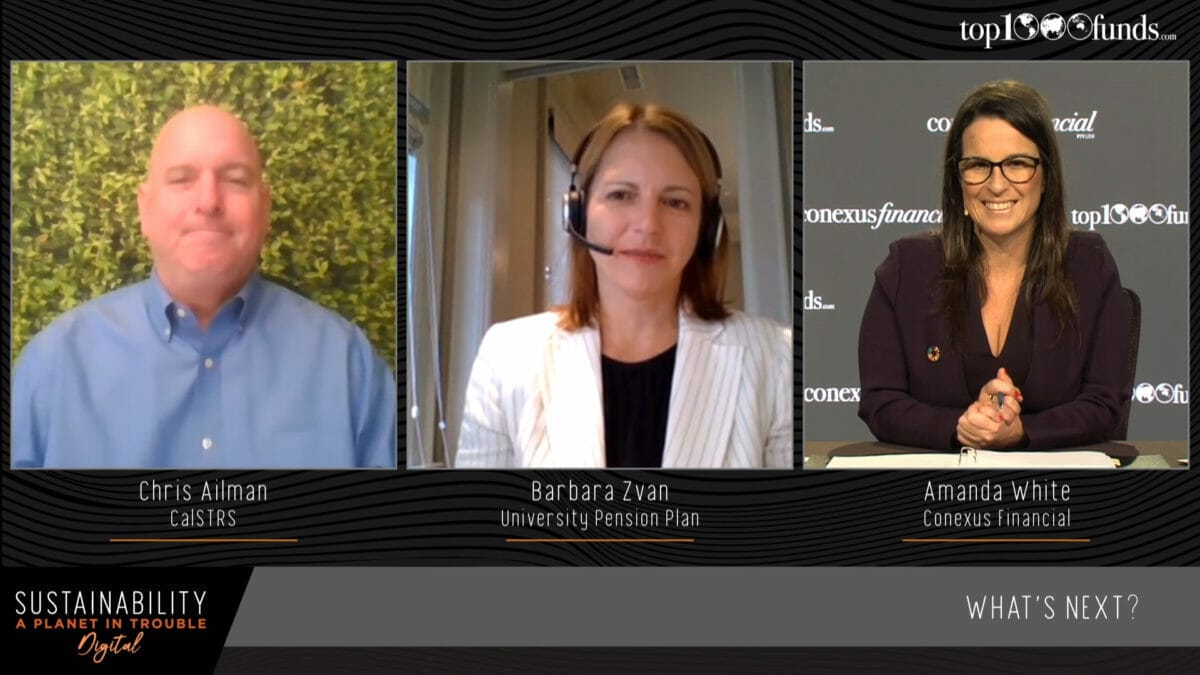
One of the most important, upcoming challenges at CalSTRS is how the fund should evaluate Chinese investments from a human capital and environmental standpoint, says Chris Ailman, chief investment officer at the giant pension fund.

Sort content by

Behind BlackRock’s climate pledge

Last week BlackRock’s Larry Fink announced the company would put climate change centre-stage across its $7 trillion portfolio after what critics have called years of prevarication. Sarah Rundell looks behind what the statement could mean in practice.

Stewardship – The 2020 vision

At the international business of Federated Hermes, we believe that the investment management industry could be a potent force in building a better world; but today that potential is largely unfulfilled.

Navigating the ESG labyrinth

In this handy guide, we share the knowledge and experience we have gained from decades of sustainable investing.

Impact investment continues to evolve

Impact investment and its combination of financial returns and social or environmental purpose is beginning to move from fringe to the financial mainstream in part because the long-held concept that investment should only maximise shareholder value is beginning to fade.

Decarbonisation linked to better returns

As concerns about climate change reach fever pitch, Harvard Business School has published a report that shows investment strategies that “aggressively’ reduce carbon emissions can significantly boost fund performance.

The future of engagement

Ben Caldecott from The Oxford Sustainable Finance Programme at the University of Oxford explains how emerging technologies, changing client preferences, new regulatory landscapes, and evolving economic geographies create new opportunities for more effective engagement and forms of active ownership.

Previous




