

Responsible investing forces investors to take a wider perspective and directly confront ambiguity and brings a wide range of benefits to organisations including clearer purpose, better talent attraction and the ability to navigate complex multi-stakeholder issues, experts say.
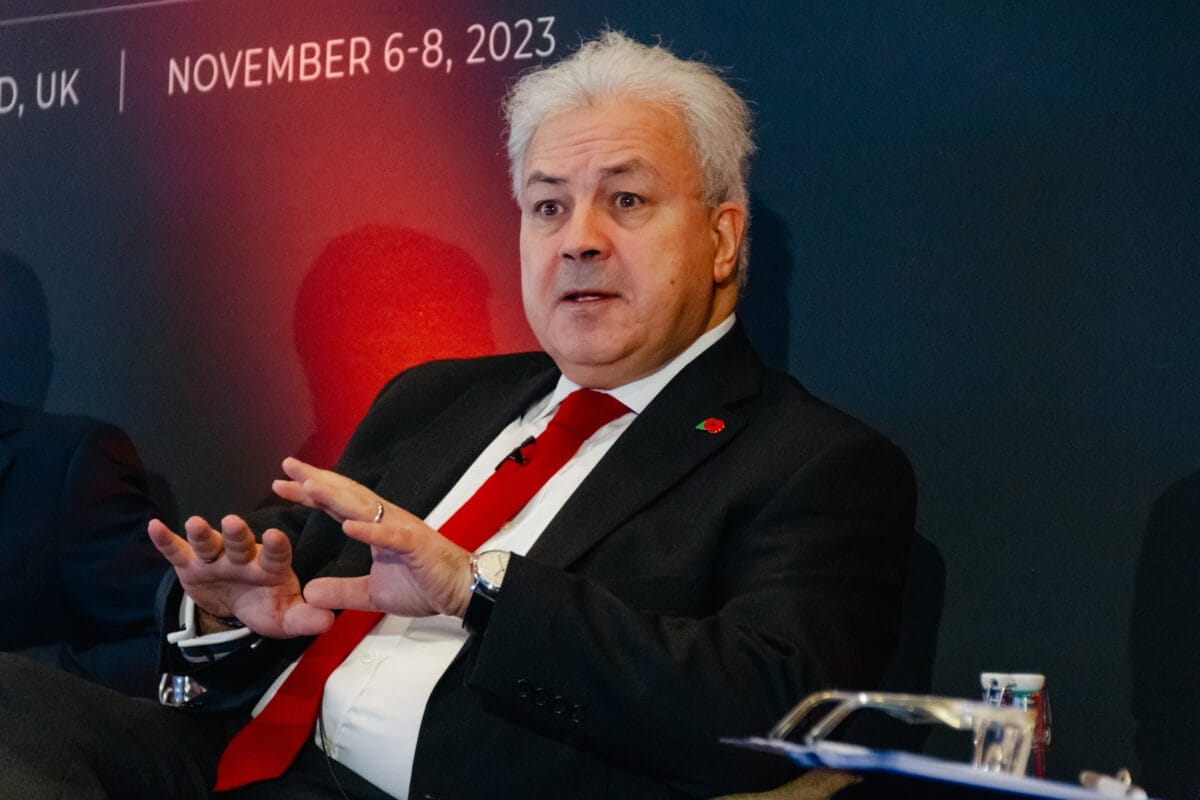
In a panel discussion showcasing how investors with leading sustainability practices are demonstrating leadership more broadly, Alison Loat, senior managing director, sustainable investing and innovation, at Canadian fund OPTrust, said responsible investment forces investors “to look at a much broader set of factors.”
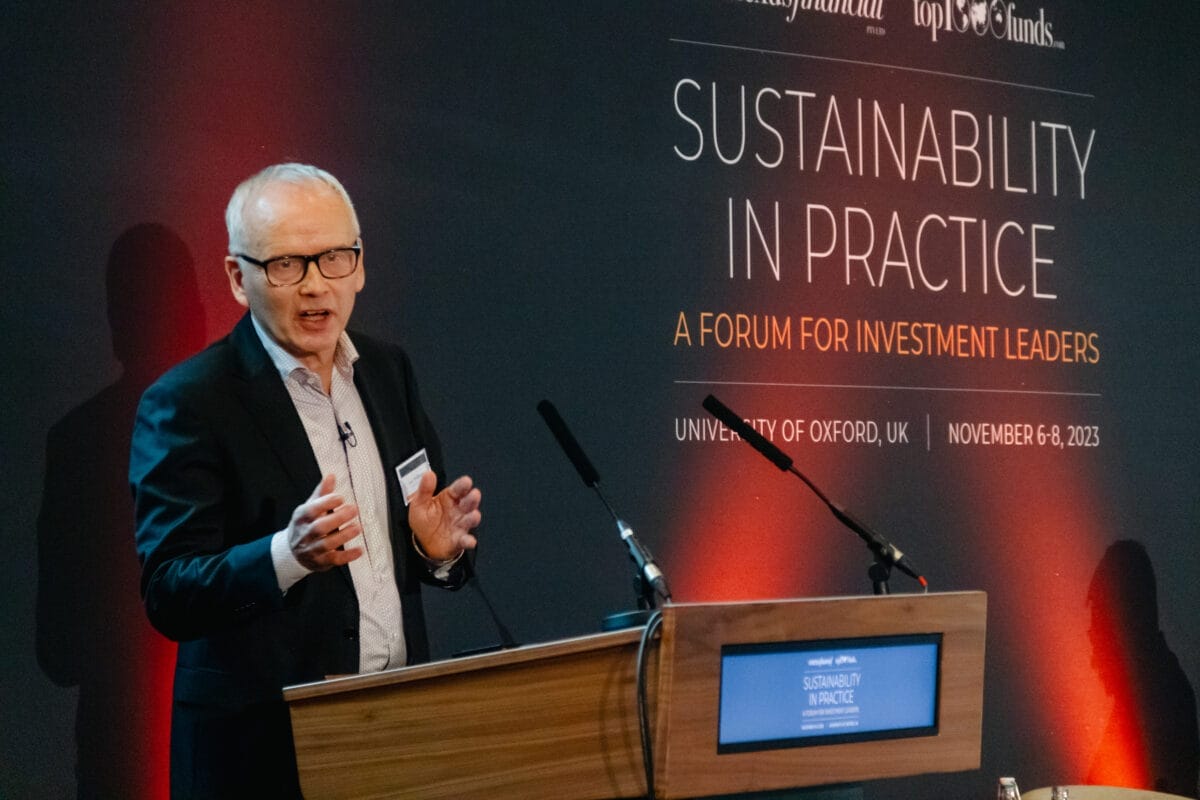
This is not just good for clarifying investment theses, but also as a “cognitive exercise,” Loat said, speaking at the Sustainability in Practice conference, held at Oxford University and organised by Top1000funds.com.
“It’s a much more comprehensive set of risk and return considerations than many of us were trained to look at in school,” Loat said. “It forces people to confront ambiguity in a much more direct way. Those are really important qualities build no matter what you do in life.”
Culture plays a critical role and is built through priorities, process and resources, Loat said, referencing research from the late Clayton Christensen, a Harvard Business School professor.
Responsible investment should not just be the priority of the responsible investment team, but of the whole organisation, Loat said. Priorities need to be set. Processes need to be simple, clear and straightforward. And organisations need to very intentionally provide resources towards the culture change they want to see.
Saker Nusseibeh, chief executive Federated Hermes – International, said some issues like gender equality are not so much to do with sustainability as they are about common sense, pointing to the stupidity of being a “buyer of talent [and] halving your supply,” or being “a seller of a good [and] halving your market.” The same applies to diversity in ethnicity and sexual orientation, he said.
Sustainability allows workplaces to understand the whole picture, by allowing different cognitive views, allowing people from different backgrounds to “bring their whole selves to work,” and ultimately tackle problems from different perspectives, Nusseibeh said.
Federated Hermes Limited is the only company in the financial sector where every employee signs a personal pledge, as far as he is aware.
Nusseibeh described this pledge at including things like “I will act ethically,” along with “I will put the interest of the client before the interest of the company,” and “I will advocate for the environment and I will work with stakeholders–including other companies, by the way–to advance the cause.”
Also on the panel was Phil Edwards, head of manager selection at Universities Superannuation Scheme in the UK. Panel chair Amanda White, director of international at Conexus Financial, publisher of Top1000funds.com, asked Edwards about dealing with the issue of greenwashing in his role when measuring, monitoring and maintaining relationships with external managers.
USS has around £75 billion of assets with the majority run in-house, but does also rely on the complementary skillsets of external relationships for some parts of its portfolio, Edwards said.
To identify external managers with whom the fund feels confident, USS has a set of “gateway indicators” laying out the minimum standards it expects managers to meet, such as clear sustainability and ESG policies, “a decent level of resources of back up those policies,” and “a serious and certain level of ambition to their net zero commitment.”
USS is also looking for philosophical and cultural alignment with how it thinks about sustainability among senior leaders, and it wants to see whether sustainability work is well-integrated or rather siloed into a seperate team with inadequate influence.
“Spending time with asset managers and a range of people within those organisations, I think we can get a better understanding of how they operate and what degree of alignment exists,” Edwards said.







Leave a Comment
You must be logged in to post a comment.
Login