
Abundant opportunities in dynamic, decentralised energy generation

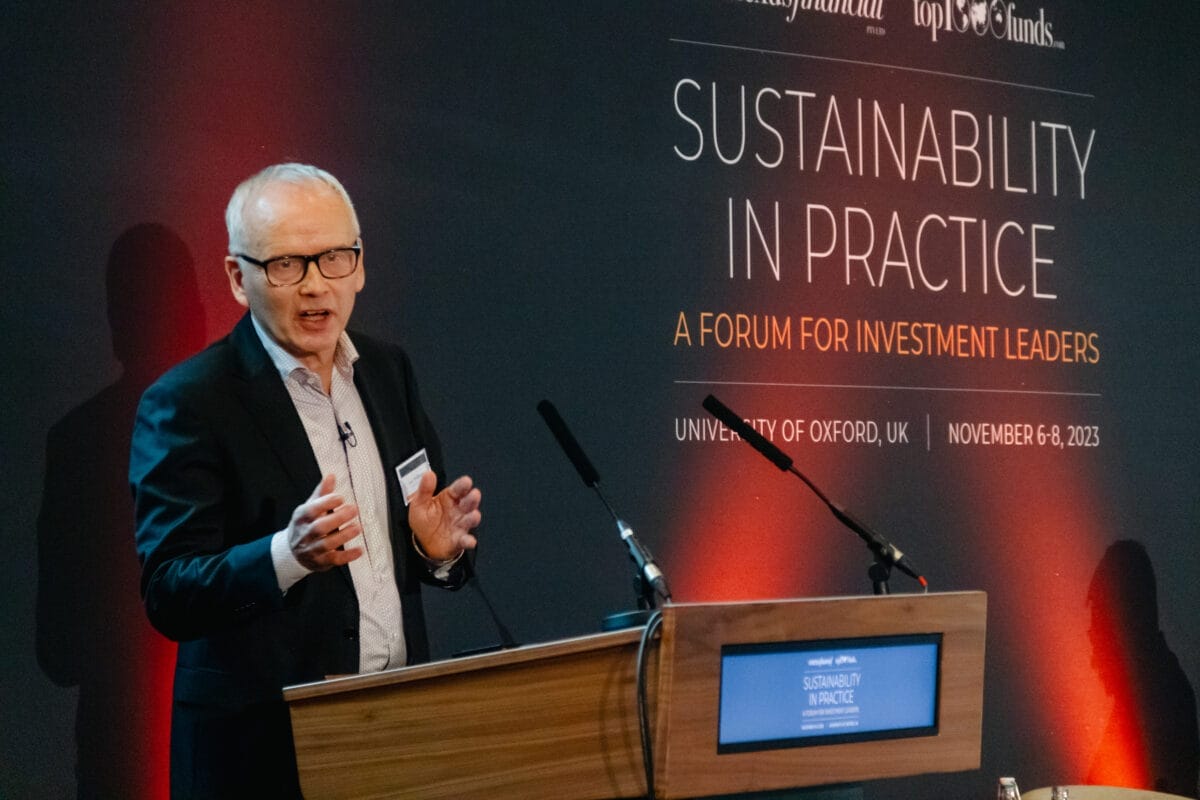
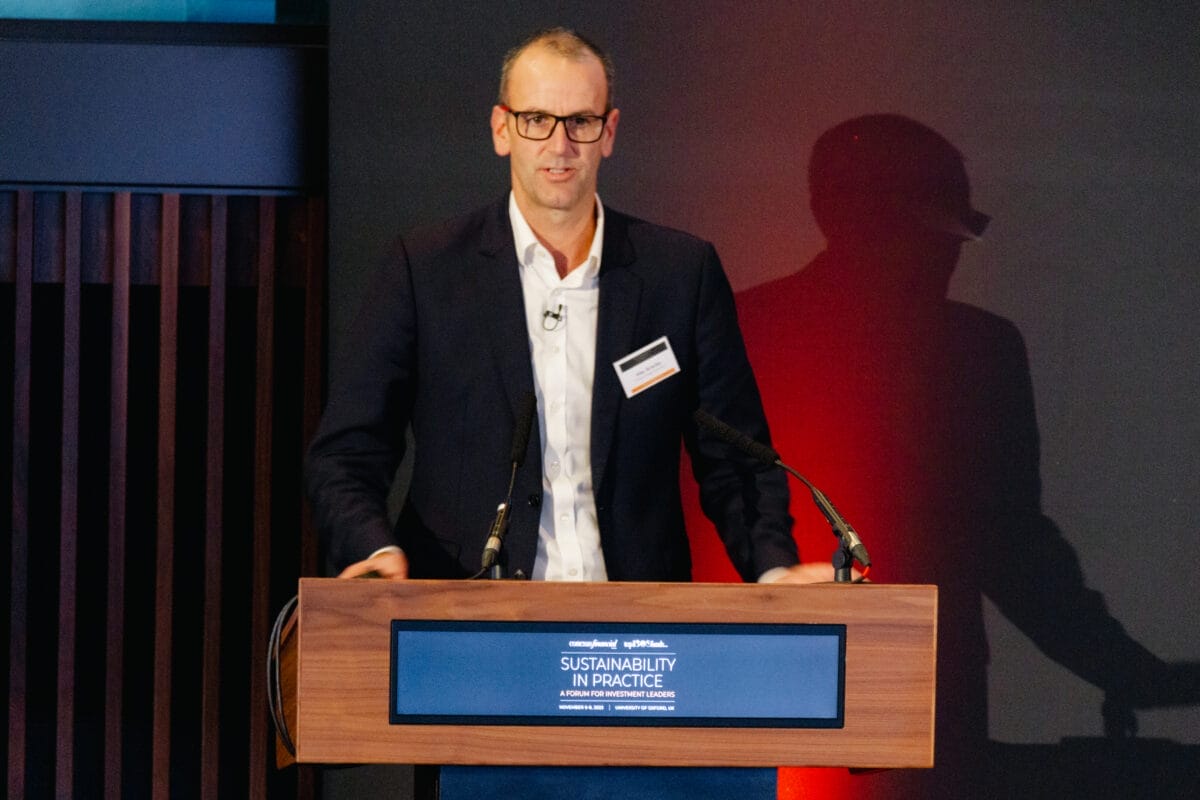
The world is shifting from having very few centralised power stations feeding electricity into the grid, to a more dynamic market with abundant opportunities for investors, according to Alex Brierley, co-head, Octopus Energy Generation, a specialist renewable energy and energy transition manager with about £6 billion worth of assets under management.

The opportunity set now includes rooftop solar generation, the decarbonisation of heat, energy storage and electric vehicle charging, green hydrogen and many other facets, Brierley said, in a panel session at the Sustainability in Practice forum, organised by Top1000funds.com and held at Oxford University.

“These are big new investment areas that I think investors should engage with,” Brierley said, in a session looking at the European energy market over the past three years and the opportunities in renewable energy assets.

Energy investors are looking for diversification and low correlation with their listed equities and fixed income portfolios, along with predictable yield and inflation protection, when they look to infrastructure including renewable energy infrastructure, Brierley said.

These expectations have been tested over the last three years, with events such as the onset of Covid-19 and the invasion of Ukraine causing massive fluctuations in energy and commodities prices. Now the fighting in Gaza threatens the path of oil and gas into Asia if Iran moves to shut the Strait of Hormuz. 

Despite the turmoil, renewable assets have largely performed as investors hoped, “and that I hope encourages many investors in this room to keep on investing in the incredibly important job that these assets are doing,” Brierley said.

Sponsored Content

Green hydrogen is unlikely to play a part in decarbonising heating in homes through the existing gas network, as ground source and air source heat pumps are far more efficient, and less dangerous, Brierley said. However green hydrogen could play a role in decarbonising big industry, he said. 

Green hydrogen is also the likely answer to power storage in a world dominated by solar and wind assets, he said, as “when there’s low wind for four or five weeks in a cold winter, short-term batteries just can’t cut it.”

Increasingly engaged consumers are also playing a role by buying electric vehicles at scale, plugging them in, and “allowing power companies like ours to actually determine when to charge those vehicles or not to charge those vehicles,” he said.

“We now have about 100,000 electric vehicles under the control of Octopus, we decide when they charge and when they discharge,” Brierley said. “What that essentially means is that we have about 550 megawatts of dispatchable capacity, which is basically just a really, really big battery and it’s extremely efficient.”

A table discussion asked audience participants–predominantly global institutional asset owners–what was holding them back from further investment in the energy transition, drawing a range of varied responses.

One participant said the rise in interest rates, and corresponding cash flow management issues,  had reduced demand for higher-yielding, illiquid infrastructure assets. Others were concerned about the economic sustainability of some parts of the renewable energy ecosystem with some major players in wind generation experiencing problems. 

Another investor said there were bigger priorities than the energy transition, such as water security. Another pointed to the difficulty of portfolio design with climate opportunities often falling between different asset classes, and challenges building internal expertise to recognise and move on opportunities.

Leave a Comment

Meeting multiple objectives: The pension fund addressing mental health

Meeting multiple objectives: The pension fund addressing mental health

With the right governance models pension funds can play a role in broader societal issues, such as mental health in the workplace, while still delivering financial security for members. A unique “democratic governance structure” at the Danish Velliv Association allows it to manage multiple objectives, chief executive Lars Wallberg said.

Sort content by

Why a successful transition to a low energy world is likely within 20 years

The world is shifting from a regime where climate change is viewed as a shared burden or a hot potato, to one where it is a “business opportunity that everyone should be scrambling to make money from,” according to Oxford Professor J. Doyne Farmer, citing probabilistic assessments by his team.

Net zero targets drift out of reach but dynamic change is still possible

Net zero emission targets may cover most of the global economy, but the world is not going to deliver on its net zero promises, warned Oxford University’s Cameron Hepburn, speaking at Sustainability in Practice.

How to rewrite Modern Portfolio Theory to integrate climate risk

When it comes to climate risk, traditional scenario analysis leaves investors with more questions than answers and omits uncertainty around physical risk and the interaction between physical risk, inflation and tipping points. Investors need to abandon modern portfolio theory and find a new approach that focuses on short-term scenarios.

Impact investors, be wary of labeled bonds

Clarity around capital allocation and defined investment frameworks have made labeled bonds a lucrative opportunity for many impact investors. However, Oyin Oduya, impact measurement and management practice leader at the $1 trillion Wellington Management said the reality is not that straightforward.

Why ESG-momentum strategies with a focus on governance bring best returns

ESG-momentum matters when it comes to outperformance according to new research by Pictet Asset Management's head of sustainability Eric Borremans who says investors should sharpen their ESG lens and use active ownership to trigger positive change.

CPP shares the playbook for pushing corporates on scope 1, 2 emissions

A quarter of companies in CPP Investments' public equity allocation still don’t report Scope 1 and 2 emissions - one of the most fundamental indicators of whether a corporate board is engaging on the climate emergency.