
PGGM’s journey to invest for risk, return and impact

The €268 billion Dutch pension provider PGGM is leading its global peers when it comes to shaping 3D portfolios based around risk, return and impact.

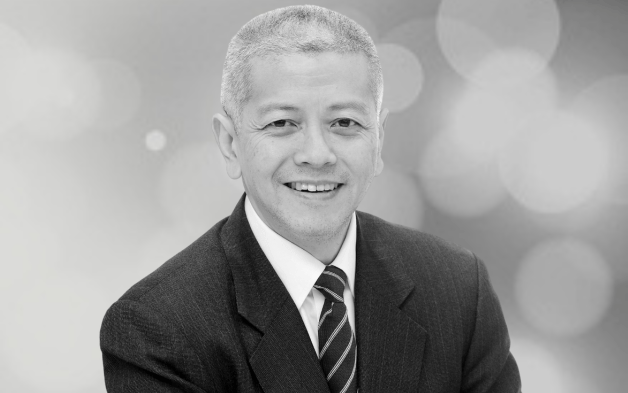
Speaking at Sustainability in Practice, Piet Klop, head of responsible investment at PGGM, charted the investor’s journey from building an actively managed €2.5 billion impact equities portfolio five years ago to targeting nearly 20 per cent of the entire portfolio contributing to the SDGs today.

Klop said steering capital to positive impact requires measuring real-world impacts wrought by investment decisions, and he said investors also need a clear mandate to invest for impact. PFZW, the pension fund for Dutch healthcare workers, which is PGGM’s biggest client, specifically aims for climate and healthcare solutions at market-rate return expectations.

“Our board of trustees wants more than alignment with the SDGs, they want to make a difference,” Klop said.

He added that reputations matter, and trustees are increasingly aware that also means the avoidance of negative impacts.

real world impact

Klop said that capturing real world impacts requires investors look at what companies are actually doing to meet the SDGs – and not just their conduct.

Sponsored Content

“What problem are they solving?” he asked.

Investors must understand how companies make their money, from what solutions, and how these translate into real world outcomes .

“Few companies report their real-world impact, how much water is saved; how much carbon is avoided, or healthcare provided thanks to their products and services.”

He noted that some companies score well in a traditional ESG rankings (the ‘how’) but when investors look at  products and services through the problem-solving lens (the ‘what’) the scores change. Companies like Unilever and BAT may have sector-leading ESG scores, but what SDGs do their products solve?

semantics: impact v outcomes

Measuring impact is hard work; data constraints remain a challenge because of limited company reporting on SDGs and climate impacts.

It also requires conviction: Klop said that clearly pursuing real-world impact incurs extra effort even though the difference on the SDGs will be marginal . He also cautions that, technically, the word ‘impact’ requires knowing the context in which solutions are put to work. Better perhaps then to talk about ‘outcomes’.

He suggested investors engage companies to improve on outcomes that they may have approximated using revenue-to-outcome models first.

Klop explained that investing with impact (outcomes) requires quantifying impact in a way beneficiaries readily understand.

He said that although beneficiaries rarely dig down to the finer detail of impact strategies, it is easy to overclaim impact and therefore lose trust.

“If you overclaim, it will only be a matter of time until you get caught out  ” he said.

He also noted the importance of trying to find impact investments close to home in beneficiaries’ own countries.

“Even so, beneficiaries take comfort from the knowledge that  their pension savings are delivering  a global benefit.”


Asset Owner:PGGM / PFZW

Leave a Comment

Why Asia is the future

Why Asia is the future

In the midst of the great power rivalry between the US and China, “we need to carve out a future that works well for all of us” says National University of Singapore’s Danny Quah, in a talk examining the global economy and the role of Asia. Listen here.

Sort content by

Net zero alignment: Assign portfolio managers strict carbon budgets

A new paper outlines how investors can align their portfolio to science-based carbon budgets consistent with 1.5 degrees of warming.

The transition from ESG to SDG

Asset owners reflect on the challenges of integrating the SDGs like problems aligning fiduciary duty to some of the targets of the 17 goals and the fact most of the capital going into the SDGs flows into listed companies in the global north.

Cambridge endowment talks inflation and divestment

Rising inflation will make it more challenging to meet the £4 billion Cambridge University Endowment Fund’s 5 per cent return hurdle, said Tilly Franklin, CIO, speaking at Sustainability in Practice. Franklin oversees a multi asset, diversified portfolio that is managed externally. The fund has significantly outperformed over the long term (10-year returns are 11 per

Testing the rhetoric: the three questions investors should ask companies

BA, Shell, and Arcelor Mittal have set 2050 net zero pledges but neither company is likely to meet them because they have no recourse to the renewable energy sources required.

Investors coalesce around biodiversity to halt loss

Investors are coming together to push investee companies to act on biodiversity in the same way that they have collaborated to put pressure on the biggest polluters to reduce their emissions.

ISSB promises to ease the sustainability reporting burden

The burden of sustainability reporting was a cause of consternation amongst investors gathered at Sustainability in Practice at Cambridge University, but new standards promise to streamline the process.