
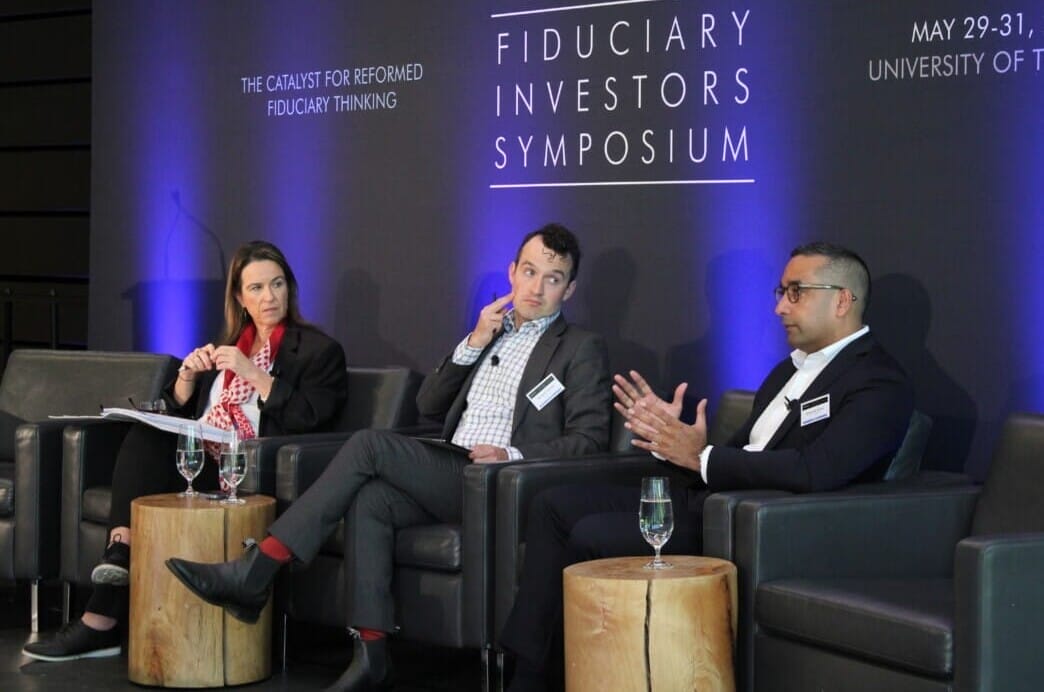

The key to implementing a successful total portfolio approach (TPA) is not about creating complexities, but rather maintaining simplicity within the shared lexicon of an investment team, said Australian sovereign Future Fund and Canadian pension CPP Investments.
At the Fiduciary Investors Symposium, head of total fund management at the C$632 billion ($460 billion) CPP Investments, Manroop Jhooty, said, TPA for the fund can sometimes mean sacrifices in sub-portfolio returns to ensure the bigger portfolio stays on track to meet mandate targets.
It can be a somewhat “difficult” conversation to ask teams generating higher returns to hand back capital, Jhooty said, which is why building a common language and understanding in the investment team is important.
“What the [TPA] dynamic is really about is relative value – how do you make the decisions around what assets you want to sell what, what you want to buy and why do you want to do that,” he said.
“How we make those decisions is really having that common language to talk about what is the marginal impact to the portfolio [each decision has].”
CPP’s TPA considers several risk-return factors such as economic growth, rates and credit spreads. When the fund rebalances its portfolio, Jhooty said it is essentially rebalancing to these macro factors and different asset classes provide exposure to the target factors in different ways.
While those discussions can be difficult, “really what you need to be able to do is to have a common understanding of how all these pieces fit together,” he said.
“That’s where TPA provides a great degree of grease for the wheels, so to speak, because you’re able to speak in a common language, and you’re able to view the portfolio through the lens of impact,” he said.
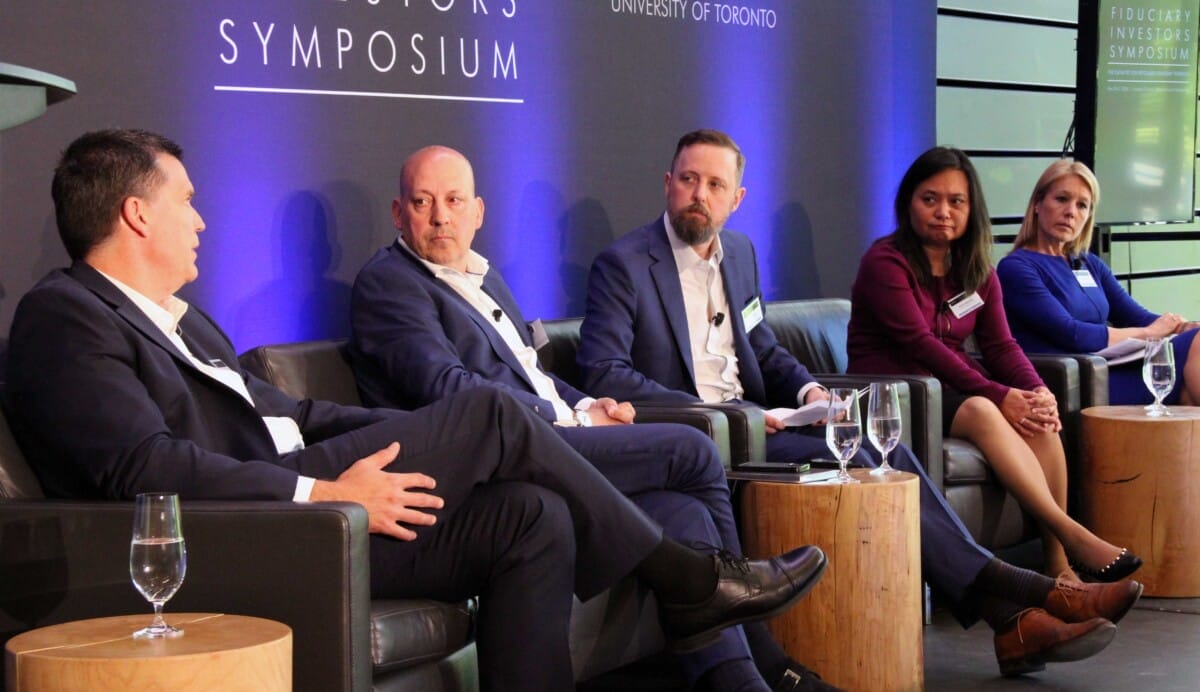
Future Fund director of dynamic asset allocation Richard Cooney said while total portfolio frameworks should be rigorous, they also need to be “simple enough that people can have a common conversation”.
“We look across asset class definitions and compare asset to asset, but sometimes that’s comparing it not an apple to an orange, but maybe like an apple to a loaf of bread,” he said.
“You need ways to break them down and simplify the problem, so for us, that’s thinking about risk factors.”
Cooney said getting the investment culture right is also critical. The A$223 billion ($147 billion) fund isn’t allowed internal management under its mandate, which is why its team has remained relatively small compared to the Canadian fund.
“When people join the Future Fund, it feels different,” Cooney said.
“It takes months to feel comfortable in the seat, and you have to get people to break down the silo mentality.
“It’s not about how I’m doing against a benchmark. The benchmark doesn’t really mean anything.
“You build in the mentality and the cultural awareness that it’s alright for me to sell this asset now or to not build at the same pace that I otherwise was going to, because I recognise…there’s a great opportunity over here, and if we didn’t slow the build right now, then we wouldn’t be able to lean in.”
‘A degree of balance’
In practice, Jhooty said, CPP always sets out to create a balanced long-term portfolio which is meant to survive through multiple cycles and macroeconomic environments.
“We’re looking for a degree of balance,” he said.
“Where the discretion comes in from a tactical perspective is where are we today conditionally in the market…and how does that look different from what your long-term unconditional portfolio is. That’s where we begin to tweak some of those elements.”
However, being “tactical” doesn’t mean being focused on “short-term blips in the market”, as Jhooty said CPP may consider how much growth exposure or inflation protection it wants.
Jhooty said CPP considers each asset with certain degrees of substitutability when viewing the portfolio through TPA, which allows for some creative ways to rebalance the portfolio if needed.
A good example is private equity, where many funds have been getting growth exposure in the last few years, and where there hasn’t been a lot of “activity on both sides of the equation”.
“You didn’t see a lot of distributions coming back, nor did you see a lot of activity in terms of new capital being deployed,” he said.
“Now, if you’re in a fixed asset allocation space, that creates a bit of a conundrum, where you’re potentially overweight, by virtue of the fact that activity is largely limited. Through TPA, which looks through, you’re able to more dynamically adjust and rebalance your portfolio.
“Because what you really care about in that instance, is that you’re getting a little bit more growth exposure for your private equity portfolio than you were anticipating. But you don’t need to sell private equity, you can sell public equities, which also load on growth.”
In Future Fund’s process, Cooney said the asset team doesn’t have a bucket to fill.
“What we say to them is: you’re the experts, face your opportunity set, buy great assets… and work with people who are allowed to align to our total portfolio and return horizon,” he said.
“We don’t really care what [assets] you call them, or where you where you find them, but there’s some guiderails at the top to make sure that we’re not aggregating risks in ways that we otherwise wouldn’t be comfortable with.”
The fund also links performance-related benefits to total fund performance as a way to incentivise alignment with TPA thinking, Cooney said.
“There’s no worry about if I do something, I’m going to cruel my ability to generate my own alpha – it’s the total portfolio return that matters.”







Leave a Comment
You must be logged in to post a comment.
Login