
US-China war the only real threat to portfolios: Kotkin

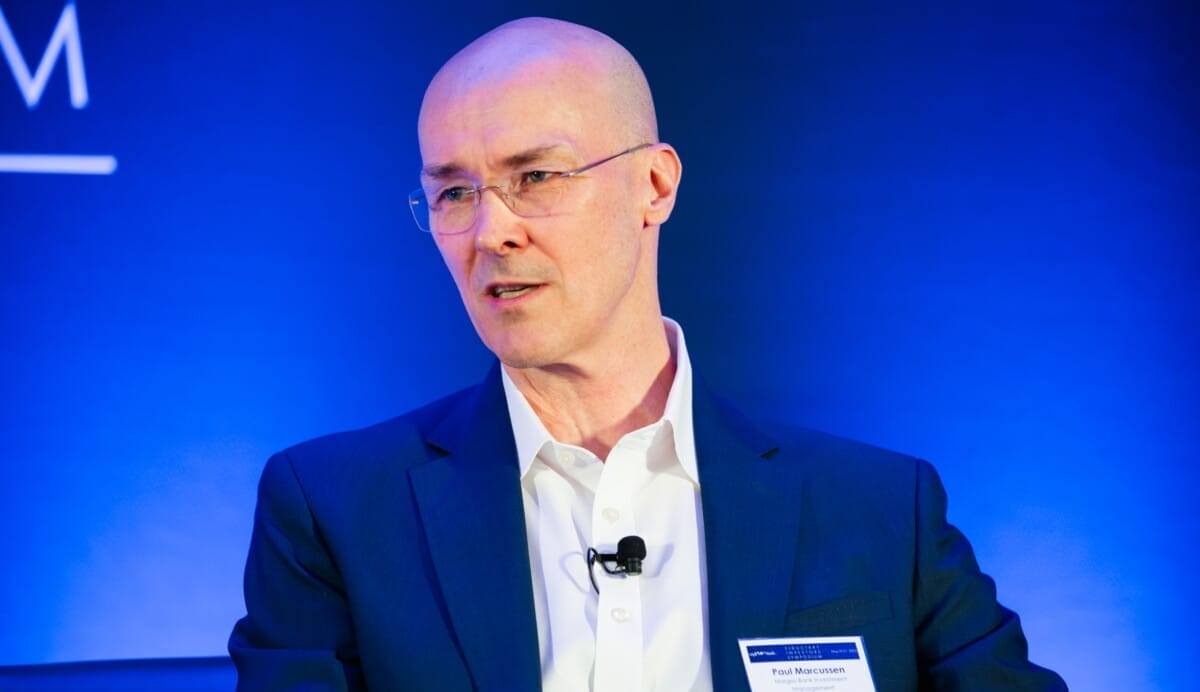
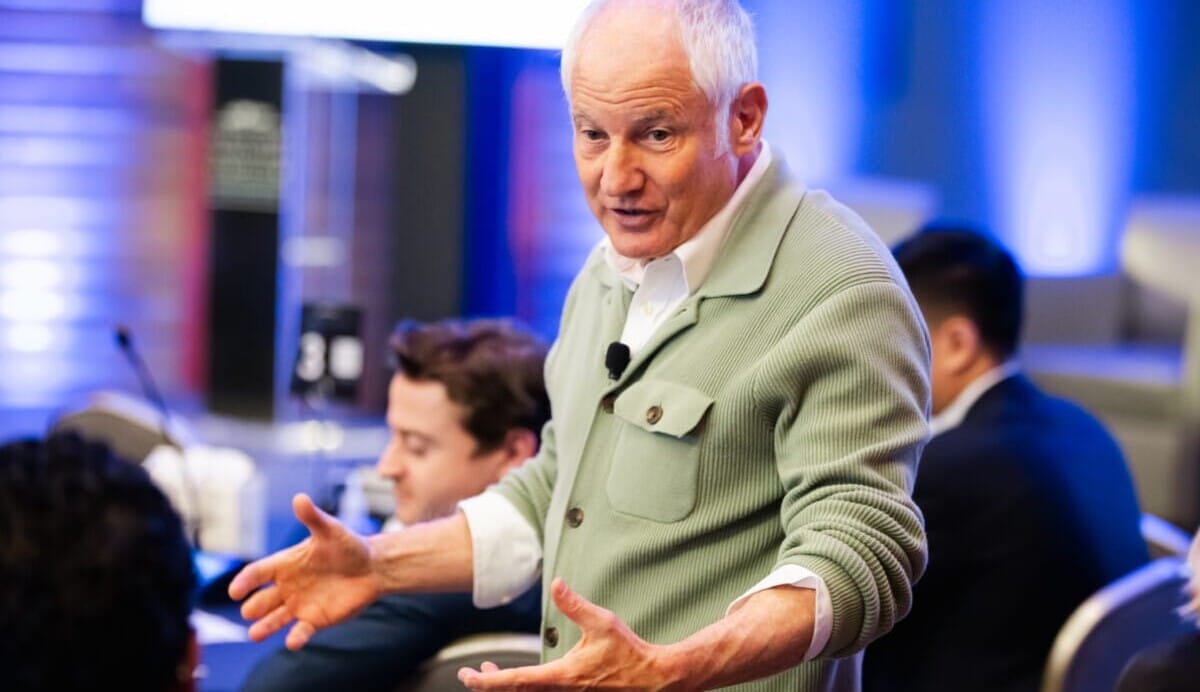
Stephen Kotkin. Photo: Jack Smith

The second Trump administration has given investors plenty to worry about – tax changes, tariffs and diplomatic chaos among a slew of distractions in the US.  

But in reality, there is only one threat that could bring devastating damage to portfolios that everyone should be concerned about.  

Global geopolitics expert Stephen Kotkin, who is a senior fellow at the Hoover Institution at Stanford University, told the Fiduciary Investors Symposium in Harvard the priority around the globe should be avoiding a hot war between the world’s two superpowers. 

“If there’s a war between China and the US, you’re finished. Your portfolios are finished. Everything is finished,” he said. 

“In a US-China war, every pipeline in the world is going to go up in smoke and burn. All those oil tankers at sea, they’re going to be sunk in the Strait of Hormuz, the Strait of Malacca, in order to block traffic so the Chinese can’t import energy. 

“The whole world game is to prevent war between China and the US. Everything else is just noise and manageable. I’m not worried about it – it’s competition, and it’s just life.” 

Sponsored Content

The US president Donald Trump, despite his unpredictability, has an important role in restoring global balances, said Kotkin.  

Since the start of his term, Trump has made threats to withdraw US security promises to NATO allies, which resulted in European nations significantly upping their defence spending.  

Europe accounts for 17 per cent of the global GDP, 7 per cent of the global population, but almost half of global social spending, Kotkin said. The countries could maintain its level of welfare partly because its security spending was underwritten by the US.  

“The costs of the American security umbrella – those almost 80 treaties – that’s gone sky high. We haven’t even gotten to China, where our adversary has gotten a lot better,” he said. 

“America can’t afford its commitments, and it’s got to rebalance somehow. 

“These global imbalances are real. Trump is not fixing them, and you think he’s exacerbating them. All he’s doing is revealing them.” 

The US dollar’s reserve currency status is a “seduction” for the world’s largest economy, Kotkin said. It has caused the US to live beyond its means and accumulate substantial debt.  

“We borrow in our own currency, as if we’re not borrowing any money – as if it’s free money, as if it’s play money,” he said. 

“Sure, it enables us to do these sanctions and financial shenanigans against countries we don’t like – which don’t work, but it enables us to do that and exercise our power.  

“But what it really does is sucker us into thinking that a $29 trillion debt on a $30 trillion economy doesn’t really matter when, of course, it does matter.” 

More currency options is not a bad thing, but the problem is there lacks a real alternative that could be as convertible and liquid as the US dollar. But evaluating the fundamentals of other currencies and assets is a call that asset owners, as fiduciaries, have to make on behalf of their members, Kotkin said.  

But he is of the view that there is “zero chance” an alternative currency will replace the US dollar in the short term.  

“You got deep fundamental institutional power and values here at play [in the US], and you have to beat that,” he said. 

“The only thing that can destroy the dollar is us.” 

Leave a Comment

Behind Norges’ search for pure alpha

Behind Norges’ search for pure alpha

Despite uncertainties, Norges Bank is tipping that the US stock market will continue to outperform Europe in the next two decades. The mammoth fund also explained how it carved out a $90 billion pure alpha portfolio from passive investments, overseen only by 8 portfolio managers.

Sort content by

Investors reflect on whether active managers can escape the Magnificent 7

Active managers has been under stress for several years due to lukewarm performance commonly attributed to the rise and rise of large cap technology stocks and passive investing. However, investors at the Top1000funds.com Fiduciary Investors Symposium concluded that the root cause of that stress might be more complicated.

Path to net zero requires honest dialogue about sustainable investing

Leading institutional investors at the Fiduciary Investors Symposium at Harvard said the industry could benefit from having a franker conversation about sustainable investments, both in terms of what climate goals are achievable on the path to net zero and what is behind the pushback on ESG funds.  

CPPIB spots accelerating change, alpha opportunities in healthcare

Technology is reshaping the healthcare sector, creating opportunities that investors “never imagined” as companies apply robotics and AI to new and established treatments.

TPA: Unlocking alpha through enhanced liquidity management

Stronger liquidity management through a total portfolio approach (TPA) can do more than manage real-time risk exposures – it can also help generate alpha, according to panellists at the Fiduciary Investors Symposium at Harvard University. 

AI the ‘most consequential’ trend for infra investors despite scepticism

AI is “the most consequential megatrend” for infrastructure investors with opportunities not only around data centres, but also energy and fibre networks by extension. But despite the bullishness, some asset owners are wondering when – or if – AI will deliver a miraculous productivity gain and benefit the underlying infrastructure.

European capital markets reform could unlock trillions in investment

Co-president of Apollo's asset management arm, John Zito, said reforms to European capital markets could unlock trillions of dollars worth of investment opportunities as investors seek alternatives to the US market, and Germany and France are key to leading the region's growth narrative.