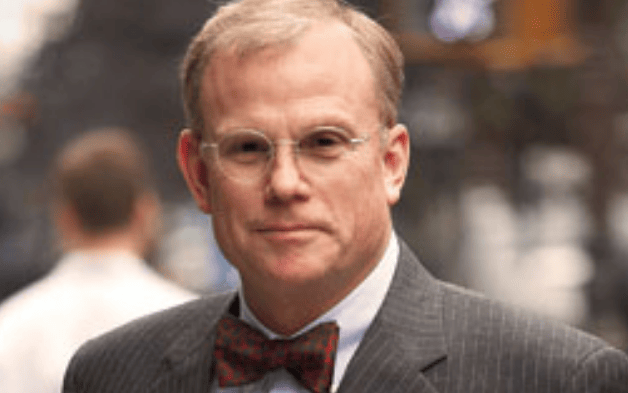
[vc_empty_space height=”10px”]
How have different governments around the world responded to the health and economic crisis and what are some of the innovative responses that will stimulate the economy and ensure a sustainable recovery?[vc_quotes layout=”accordion” quotes=”%5B%7B%22name%22%3A%22Randall%20S%20Kroszner%22%2C%22job_role%22%3A%22%20Deputy%20Dean%20for%20Executive%20Programs%20and%20Norman%20R.%20Bobins%20Professor%20of%20Economics%2C%20University%20of%20Chicago%20Booth%20School%20of%20Business%20(United%20States)%22%2C%22content%22%3A%22Randall%20S.%20Kroszner%20is%20Deputy%20Dean%20for%20Executive%20Programs%20and%20Norman%20R.%20Bobins%20Professor%20of%20Economics.%20Kroszner%20served%20as%20a%20Governor%20of%20the%20Federal%20Reserve%20System%20from%202006%20until%202009.%20He%20chaired%20the%20committee%20on%20supervision%20and%20regulation%20of%20banking%20institutions%20and%20the%20committee%20on%20consumer%20and%20community%20affairs.%20In%20these%20capacities%2C%20he%20took%20a%20leading%20role%20in%20developing%20responses%20to%20the%20financial%20crisis%20and%20in%20undertaking%20new%20initiatives%20to%20improve%20consumer%20protection%20and%20disclosure%2C%20including%20rules%20related%20to%20home%20mortgages%20and%20credit%20cards.%20He%20represented%20the%20Federal%20Reserve%20Board%20on%20the%20Financial%20Stability%20Forum%20(now%20called%20the%20Financial%20Stability%20Board)%2C%20the%20Basel%20Committee%20on%20Banking%20Supervision%2C%20and%20the%20Central%20Bank%20Governors%20of%20the%20American%20Continent%20and%20was%20a%20director%20of%20NeighborWorks%20America.%20He%20chaired%20the%20working%20party%20of%20the%20OECD%2C%20composed%20of%20deputy%20central%20bank%20governors%20and%20finance%20ministers%2C%20on%20policies%20for%20the%20promotion%20of%20better%20international%20payments%20equilibrium.%20As%20a%20member%20of%20the%20Fed%20Board%2C%20he%20was%20also%20a%20voting%20member%20of%20the%20Federal%20Open%20Market%20Committee.%5CnSince%201990%2C%20Kroszner%20has%20taught%20at%20the%20University%20of%20Chicago%20Booth%20School%20of%20Business.%20He%20was%20director%20of%20the%20George%20J.%20Stigler%20Center%20for%20the%20Study%20of%20the%20Economy%20and%20the%20State.%20He%20served%20as%20editor%20of%20the%20Journal%20of%20Law%20%26%20Economics%20and%20has%20been%20associate%20editor%20of%20a%20number%20of%20other%20academic%20and%20policy%20journals.%20He%20was%20a%20member%20of%20the%20board%20of%20directors%20at%20the%20National%20Association%20for%20Business%20Economics%20and%20the%20Financial%20Management%20Association.%5CnDr.%20Kroszner%20serves%20as%20the%20Chair%20of%20the%20Financial%20Research%20Advisory%20Committee%20of%20the%20Office%20of%20Financial%20Research%20of%20the%20US%20Treasury.%20He%20is%20a%20member%20of%20the%20Federal%20Reserve%20Bank%20of%20Chicago%E2%80%99s%20Academic%20Advisory%20Council%20and%20of%20the%20board%20of%20advisors%20of%20the%20Paulson%20Institute.%20In%20addition%2C%20he%20is%20a%20research%20associate%20of%20the%20National%20Bureau%20of%20Economic%20Research..%20Kroszner%20received%20a%20Sc.B.%20(magna%20cum%20laude)%20in%20applied%20mathematics-economics%20(honors)%20from%20Brown%20University%20in%201984%20and%20an%20M.A.%20(1987)%20and%20Ph.D.%20(1990)%2C%20both%20in%20economics%2C%20from%20Harvard%20University.%5Cn%22%2C%22image%22%3A%2231889%22%2C%22linkedin%22%3A%22%22%7D%2C%7B%22name%22%3A%22Lucrezia%20Reichlin%22%2C%22job_role%22%3A%22Professor%20of%20Economics%2C%20London%20Business%20School%20(United%20Kingdom)%22%2C%22content%22%3A%22Lucrezia%20Reichlin%20is%20Professor%20of%20Economics%20at%20the%20London%20Business%20School%2C%20non-executive%20director%20of%20AGEAS%20Insurance%20Group%20and%20Eurobank%20Ergasias%20SA%2C%20as%20well%20as%20chair%20and%20co-founder%20of%20Now-Casting%20Economics%20ltd%20and%20a%20trustee%20of%20the%20International%20Financial%20Reporting%20Standards%20Foundation.%20She%20is%20a%20columnist%20for%20the%20Italian%20national%20daily%20Il%20Corriere%20della%20Sera%20and%20a%20regular%20contributor%20of%20Project%20Syndicate.%20Reichlin%20received%20a%20Ph.D.%20in%20Economics%20from%20New%20York%20University.%20She%20has%20held%20a%20number%20of%20different%20academic%20positions.%20From%202005%20to%202008%20she%20was%20the%20director%20general%20of%20research%20at%20the%20European%20Central%20Bank.%20From%202009%20%E2%80%93%20April%202018%20she%20was%20non-executive%20director%20of%20UniCredit%20Banking%20Group%20and%20from%202013-2016%20she%20was%20chair%20of%20the%20Scientific%20Council%20at%20the%20Brussels%20based%20think-tank%20Bruegel.%20Reichlin%20has%20been%20an%20active%20contributor%20to%20the%20life%20of%20the%20Centre%20for%20Economic%20Policy%20Research%20(CEPR)%20over%20the%20years.%20She%20has%20been%20research%20director%20in%202011-2013%2C%20first%20chair%20of%20the%20CEPR%20Euro%20Area%20Business%20Cycle%20Dating%20Committee%2C%20co-founder%20and%20scientist%20in%20charge%20of%20the%20Euro%20Area%20Business%20Cycle%20Network%20and%20she%20is%20now%20a%20trustee.%5CnShe%20is%20a%20Fellow%20of%20the%20Econometric%20Society%2C%20the%20British%20Academy%2C%20the%20European%20Economic%20Association%2C%20and%20Academia%20Europaea.%20In%202016%20she%20received%20the%20Birgit%20Grodal%20Award%2C%20European%20Economic%20Association%2C%20and%20the%20Isaac%20Kerstenetzky%20Scholarly%20Achievement%20Award.%5CnReichlin%20has%20published%20numerous%20papers%20on%20econometrics%20and%20macroeconomics.%20She%20is%20an%20expert%20on%20forecasting%2C%20business%20cycle%20analysis%20and%20monetary%20policy.%20She%20is%20currently%20working%20on%20a%20book%20about%20the%20European%20Central%20bank%20during%20the%20crisis.%20She%20pioneered%20now-casting%20in%20economics%20by%20developing%20econometrics%20methods%20capable%20of%20reading%20the%20real%20time%20data%20flow%20through%20the%20lenses%20of%20a%20formal%20econometric%20model.%20These%20methods%20are%20now%20widely%20used%20by%20central%20banks%20and%20private%20investors%20around%20the%20world.%20Her%20papers%20have%20appeared%20in%20top%20scientific%20journals%2C%20including%20the%20American%20Economic%20Review%2C%20Review%20of%20Economic%20Studies%2C%20Review%20of%20Economics%20and%20Statistics%2C%20Journal%20of%20Econometrics%2C%20Journal%20of%20Monetary%20Economics%20and%20Journal%20of%20the%20American%20Statistical%20Association.%5Cn%22%2C%22image%22%3A%2231890%22%2C%22linkedin%22%3A%22https%3A%2F%2Fwww.linkedin.com%2Fin%2Flucrezia-reichlin-828a6441%2F%22%7D%5D” title=”Speakers” el_class=””][vc_quotes layout=”accordion” quotes=”%5B%7B%22name%22%3A%22Amanda%20White%22%2C%22job_role%22%3A%22Director%20of%20institutional%20content%2C%20Conexus%20Financial%20(Australia)%22%2C%22content%22%3A%22Amanda%20White%20is%20responsible%20for%20the%20content%20across%20all%20Conexus%20Financial%E2%80%99s%20institutional%20media%20and%20events.%20In%20addition%20to%20being%20the%20editor%20of%20Top1000funds.com%2C%20she%20is%20responsible%20for%20directing%20the%20global%20bi-annual%20Fiduciary%20Investors%20Symposium%20which%20challenges%20global%20investors%20on%20investment%20best%20practice%20and%20aims%20to%20place%20the%20responsibilities%20of%20investors%20in%20wider%20societal%2C%20and%20political%20contexts.%20She%20holds%20a%20Bachelor%20of%20Economics%20and%20a%20Masters%20of%20Art%20in%20Journalism%20and%20has%20been%20an%20investment%20journalist%20for%20more%20than%2025%20years.%20She%20is%20currently%20a%20fellow%20in%20the%20Finance%20Leaders%20Fellowship%20at%20the%20Aspen%20Institute.%20The%20two-year%20program%20seeks%20to%20develop%20the%20next%20generation%20of%20responsible%2C%20community-spirited%20leaders%20in%20the%20global%20finance%20industry.%22%2C%22image%22%3A%2231872%22%2C%22linkedin%22%3A%22https%3A%2F%2Fwww.linkedin.com%2Fin%2Famanda-white-101a7515%2F%22%7D%5D” title=”Moderator” el_class=””][vc_empty_space height=”10px”]
Key takeaways
Randy Kroszner
Everyone wants to know whether we are setting ourselves up for a crash.
Companies who are raising equity or debt and holding the cash can build a stronger “fortress balance sheet” to make them more resilient.
The question is whether and when the Federal Reserve can pull back their additional support to avoid inflation. However, in the short run the major risk is deflation, not inflation, and the Fed will do everything possible to avoid a deflationary scenario.
Lucrezia Reichlin
Monetary and fiscal policies in response to COVID-19 have been very different to the GFC period. We are likely to see increased innovation in coordination between monetary and fiscal policy.
One key question is whether Europe will be able to cope with individual country national debt by transferring risk between countries.
We should not be complacent of the possibility of inflation, however central banks have several instruments to counteract the potential risk, assuming they act in a timely manner.
A reduction of stimulus too early could result in a deflationary spiral.
Central banks will eventually think about how broad their investment mandate should be including sustainable investing, but we are not there yet.
[vc_empty_space height=”10px”]
Poll results
What do you think is the number one potential unintended long-term consequence from the policy responses to the crisis? (for example inflation, or inflated asset prices)
The Florida State Board of Administration has made some strategic moves to take advantage of opportunities in the dislocation, including in private equity, distressed debt and active listed equities.. But CIO, Ash Williams, is concerned about the underlying real economy.
As trade wars between the US and China dominate financial markets, Princeton historian Stephen Kotkin has assured pension funds that the world order that has been in place since World War II remains intact.
Understanding the fractious relationship between US and China is more important– and simultaneously more confronting – than it has been in the past, according to Stephen Kotkin, professor of history and international affairs at Princeton University. While the China investment challenge has always been to capture the aspirational middleclass, the high-profile historian says “the big money that’s going to be made in China is going to be made from the dislocation”.
Institutional investors' investment strategy should be serving the China middle class and the dislocation from within Asia, according to Stephen Kotkin,Professor of History and International Affairs at Princeton University speaking at the Fiduciary Investors Symposium at Cambridge University. He explored what the geopolitical conflicts of the past can teach us about the future. He looked at some of the key points in history, how China, the European Union and the US have survived, and what it means for the future.
Whither United States-China? Stephen Kotkin, Professor in History and International Affairs at Princeton University and adviser to conexust1f.flywheelstaging.com, discusses the changing nature of the complex relationship between the US and China and the struggle underway as these two large economies find their positions in the economic and technological hierarchy. So what should investors watch for?
The China-US trade war is the latest development in a tense relationship that threatens to bubble over into war over Taiwan, “incinerating” portfolios, Stephen Kotkin said.
Global tensions are an important consideration in decision-making. At a recent roundtable, geopolitical expert professor Stephen Kotkin discussed the risks related to China and the US.
Leave a Comment
You must be logged in to post a comment.
Login