Watch Oxford’s vaccine expert

Oxford University’s COVID-19 vaccine has passed another test this week, with trials showing the injection led to the making of antibodies and T-cells that can fight coronavirus. We had the inside running on this. Professor Adrian Hill, who is the director of the Jenner Institute which developed the vaccine spoke at our Fiduciary Investors Global Symposium last month. You can watch the video recording of his description of the vaccine process, and his positive outlook on the results here.


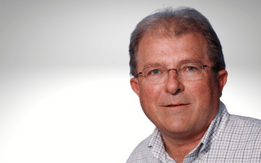
Adrian Hill, Professor of Human Genetics and director of the Jenner Institute Jenner the largest university based vaccine institute in the world, was positive about the development of a vaccine.

“This looks to me as if this is very doable,” he told delegates in June. “It doesn’t mean we will be successful first time. It might take a combinate of two vaccines or multiple doses. But all that has been assessed very rapidly around the world.

Sponsored Content

“Looking at the overall picture it would be surprising if by the end of the year there wasn’t pretty good evidence that one or more vaccines were working. This looks like a do-able vaccine.”

“This is a good news message, this is doable and looks like some time later this year, ideally September there will be evidence the vaccine works,” he said. “What is quite extraordinary here, and I’ve never seen anything like it is the willingness of funders, and governments and companies to invest money at risk.”

AstraZenaca, which is manufacturing the Oxford-developed vaccine, is aiming to make two billion doses, to do that it has to start before the vaccine has been shown to work.

“There is a lot of money spent at risk, that’s good because it will save much more than that in economic benefit if we can shave a month or two or three off the deployment time. It’s worth pointing out that is an extraordinary vote of confidence in vaccine technology by well-informed agencies.”

“If ours works, several other will as well,” he said adding that the process isn’t competitive. The number of people to vaccinate means no one company has ever made a vaccine on this scale before.

Conceivably there are billions of people to vaccinate, but Hill pointed out that no one has ever made a vaccine beyond a 500 million scale. There are currently 150 vaccines in development with 12 already in the clinic, and all of them are philanthropic.

“We are trying to develop a vaccine for two billion people with AstraZeneca. This is a huge challenge for them and will manufacturing in seven countries and needs to be quick. It will need an unprecedented effort to do what we are aiming for.”


The Fiduciary Investors Symposium Digital looked at the extreme uncertainty of the global economy including the changing geopolitical dynamics and the potential unravelling of globalisation; the unprecedented fiscal and monetary policy responses and the implications for investments; how investors are positioning portfolios and managing short and long term risks; supply chain risks and responsible capitalism; and what a sustainable recovery looks like and how investors can ensure it happens. It brought together more than 300 institutional investors from around the world. Other speakers included Larry Summers, Stephen Kotkin and Esther Duflo. Click here for more video recordings of the sessions.

Leave a Comment

Long Covid for the global economy

Long Covid for the global economy

Prevention is the balm for global economic shock, says respected central bank adviser Professor Warwick McKibbin who says the world’s economic future is uncertain and inflation is likely to remain under a persistent pandemic.

Sort content by

Investors wary of a fragmented world

As geopolitical risks increasingly stalk developed markets, asset owners sifting through the noise for long-term trends believe a fragmented world is here to stay. We spoke to CalSTRS, OPTrust, PFA and USS about the impact on their portfolios.

Time to change the curriculum

Finance education needs to move away from neo-classical economics towards a more holistic approach including sustainability, philosophy and ethics. Robeco is actively engaging with leading universities in The Netherlands to change the curriculum.

COVID-19 hits retirement system adequacy

COVID-19 has exacerbated retirement insecurity and governments need to use this as an opportunity to examine their system inadequacies and make improvements according to David Knox, partner at Mercer and author of the annual Mercer CFA Institute Global Pension index which measures adequacy, sustainability and integrity of 39 retirement systems.

Economic future very precarious: IMF

The global macro-economic future remains precarious amongst huge uncertainties according to the head of the capital markets department at the IMF, Tobias Adrian, who warns of fragilities including the disconnection between the real economy and financial markets, and growing debt, as potential interruption to future growth.

Robeco eyes new engagement portfolios

The future of active investment will be grounded in engagement. Robeco is in the process of designing new portfolios so the manager engages with every portfolio company. Engagement specialist, Peter van der Werf explains how engagement drives returns.

Companies actions at odds with purpose

Being a signatory to the Business Roundtable’s statement of the purpose of a corporation did not bear fruit when it came to a company’s responsiveness to COVID-19 pandemic and inequality issues, a groundbreaking new initiative has revealed.