
Canadian pensions form research hub

The largest pension funds in Canada are among the founding members of a National Pension Hub that will match research topics with academics to search for innovative solutions to industry problems.

Members of the NPH include: Alberta Investment Management Corporation, British Columbia Investment Management Corporation, Caisse de dépôt et placement du Québec, Canada Pension Plan Investment Board, Ontario Municipal Employees Retirement System, Ontario Teachers’ Pension Plan, and Public Sector Pension Investments, plus a diverse group including McKinsey & Co, Mercer and KPMG.

Members of the NPH will have input on the topics chosen for research, along with access to the results and their industry applications.

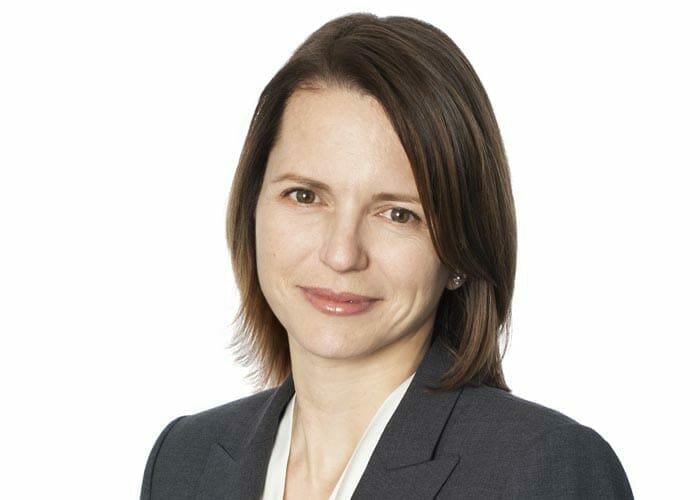
Barbara Zvan, chair of the hub and chief risk and strategy officer at Ontario Teachers’, said topics under consideration include items related to investments, governance, pension design and regulation; for example, portfolio construction, risk in private assets, liquidity risk and leverage, retirees’ spending habits and the impact of different discount rates.

“We are looking at research that can lead to solutions,” she said. “If we look at how to think of an asset mix for a pension fund with a very long horizon, that will [involve] more than one research piece.”

The pension industry has been grappling with a number of evolving challenges over the last decade, including an ageing population, finite resources in which to invest, more complex regulations, greater market volatility, and the need to generate strong returns in a slower economy. The NPH aims to be an incubator for outcome-based research that addresses these problems.

Sponsored Content

The hub will be implemented by the Global Risk Institute, which has a proven model for creating value from research, including setting milestones for delivery and governance oversight.

“GRI has the approach and processes down pat; this is one of the reasons we chose them,” Zvan explained. “They know the academic community and will act to match the topics [with] academics. That’s a big difference; this is not a call for papers.”

The 15 members of the NPH had their first meeting in November and the GRI, in consultation with the group, is now ranking the topics in terms of importance. It aims to fund projects in the first quarter of 2018.

Zvan said some of the research would be made available outside the member funds.


Leave a Comment

Sort content by

Is in-house management the future for large asset owners?

The allure of potentially higher net returns from portfolios precisely tailored to values, beliefs and risk appetite is hard for any asset owner to ignore, yet needs to be balanced against the many challenges associated with managing assets in-house. To this end, it is worth outlining the key benefits that in-house asset management can offer.

Addressing shortcomings in current corporate reporting

Investors don’t have access to all the information they need today. Raj Thamotheram, Mark Van Clieaf and Alan Willis ask: why aren’t investors (and their clients) demanding it? Without relevant, timely and reliable information, investors are unable to make informed long-term investment decisions. The efficiency of capital markets in allocating invested funds – the only real value of

To invest in China today you must be at the head of the kewfie

Regulatory proposals announced in April mean that in October foreign investors will be able to buy the top shares listed on the Chinese mainland stock exchange within annual quota limits. The momentum of market liberalisation is such that MSCI is considering using such A shares in its emerging market indices, a move that will take Chinese

Chinese SWFs need co-investors

China’s biggest sovereign wealth funds need, and want, co-investment opportunities in real assets and private equity and are open to new partnerships with international investors of the right credentials, and the longer term the partnership the better. This is the feedback of Michael Wadley, a specialist lawyer of Australian origin based in Shanghai, who runs

Foundations and endowments flock to long duration

The risk of a US equity market decline and concerns over the future direction of interest rates has been driving US foundations and endowments’ asset allocation decisions in the past year, with a distinct move away from US equity to global allocations and away from US-focused core to longer duration and high yield. The latest

What does an effective board look like?

Pension fund boards are complex, evolving, collective bodies and the individuals that serve them face unique challenges. The Rotman-ICPM Board Effectiveness Program is a week-long course designed specifically for pension fund trustees that showcases how an effective board looks and behaves. Pension management beneficiaries are delegating to a body that then delegates to an executive,

Previous




