
Merger progresses company ESG reporting

In a move that will help solidify a global system of ESG reporting standards, the Sustainability Accounting Standards Board and the International Integrated Reporting Council will merge to create the Value Reporting Foundation.

The merger helps progress the vision of a single, coherent system of corporate disclosure, an essential ingredient for investors and corporates serious about ESG reporting.

Chair of SASB, Robert K Steel, said the merger was an important step in enabling investors to communicate with clarity and ease about the issues that matter most to financial performance. Importantly it helps to eliminate the fragmented reporting landscape that currently exists in ESG.

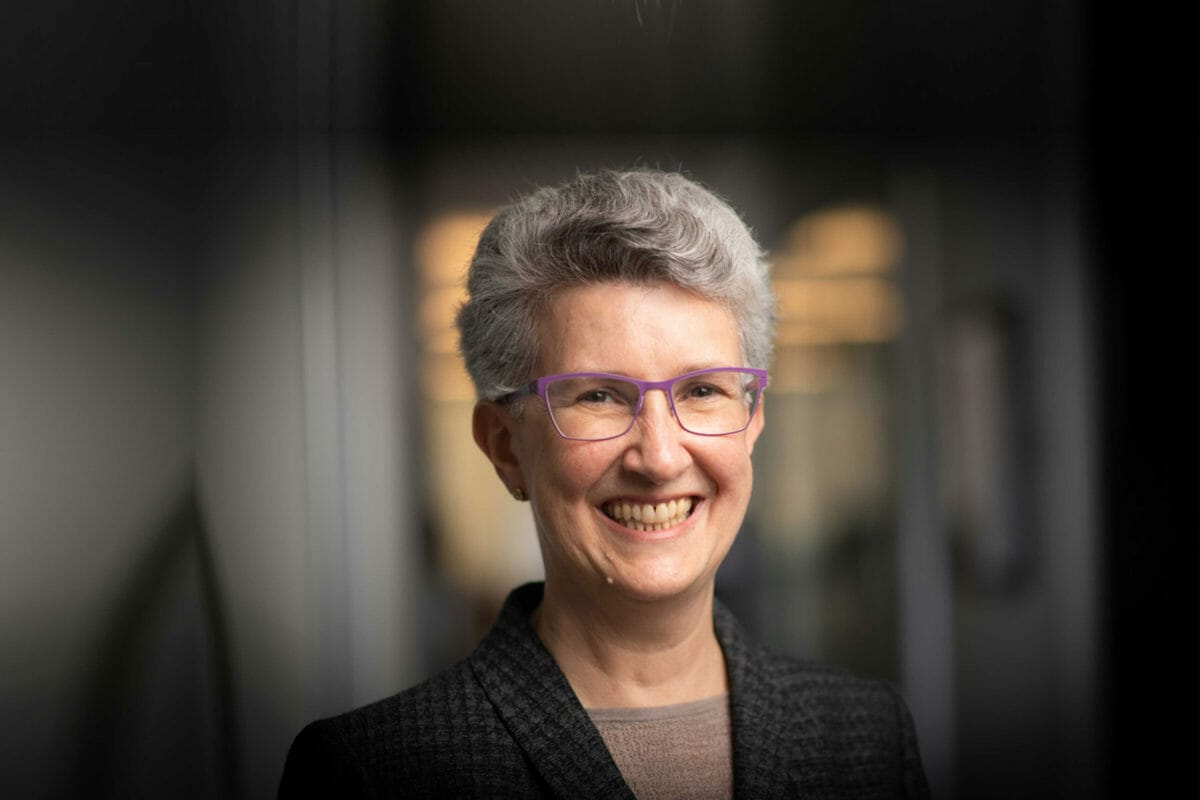
The merged entity – which will be headed by the current CEO of SASB, Janine Guillot – will maintain the Integrated Reporting Framework, advocate integrated thinking, and set sustainability disclosure standards for enterprise value creation. The organisations said that the merger directly responds to calls from global investors and corporates to simplify the corporate reporting landscape, providing the market with a clear solution for communicating about the drivers of enterprise value.

The Value Reporting Foundation could eventually integrate other entities focused on enterprise value creation, and the Foundation and Climate Disclosure Standards Board have jointly signalled interest in entering into exploratory discussions in the coming months.

“Sustainability disclosure is at the top of the agenda for many, creating incredible momentum towards simplifying the corporate reporting landscape.  By merging two organizations focused on enterprise value creation, we hope to clarify the field. We stand ready to engage with the efforts of the IFRS Foundation, IOSCO, EFRAG, and others working towards global alignment on a corporate reporting system,” says  Guillot.

Sponsored Content

The merger will advance the work of CDP, CDSB, GRI, IIRC and SASB in the Statement of Intent To Work Together Towards Comprehensive Corporate Reporting, which outlines a vision for a comprehensive corporate reporting system.


Listen to Janine Guillot in conversation with Amanda White

In this Fiduciary Investors Series podcast Amanda White talks to chief executive of the Sustainability Accounting Standards Board, Janine Guillot, about stakeholder capitalism and the role investors can play in shifting the dial. We discuss the value SASB can play as a tool for decision making and how stakeholder issues can impact performance. SASB standards identify the issues most likely to impact financial performance in 77 industries.

Guillot says the key lever to help re-establish trust between business and society is that companies measure, manage, and reward environmental and social issues the same way they measure, manage, disclosure and reward on financial issues.

Leave a Comment

La Caisse’s oil exit pays off as renewables portfolio pulls ahead of fossil fuels

La Caisse’s oil exit pays off as renewables portfolio pulls ahead of fossil fuels

Divesting from the oil sector has been a boon for La Caisse’s performance, as the Canadian pension giant says its energy investments have earned billions in value-add compared to the benchmark since the inception of its climate strategy. Head of sustainability Bertrand Millot unpacks the fund’s approach in an interview with Top1000funds.com.

Sort content by

The transition from ESG to SDG

Asset owners reflect on the challenges of integrating the SDGs like problems aligning fiduciary duty to some of the targets of the 17 goals and the fact most of the capital going into the SDGs flows into listed companies in the global north.

Cambridge endowment talks inflation and divestment

Rising inflation will make it more challenging to meet the £4 billion Cambridge University Endowment Fund’s 5 per cent return hurdle, said Tilly Franklin, CIO, speaking at Sustainability in Practice. Franklin oversees a multi asset, diversified portfolio that is managed externally. The fund has significantly outperformed over the long term (10-year returns are 11 per

Private credit’s pivotal role in low-carbon transition

Private credit will play a vital role in accelerating the transition to a low-carbon economy. According to Rob Horn, global head of the Blackstone Credit Sustainable Resources Group, this role is set to get a whole lot bigger.

Investors coalesce around biodiversity to halt loss

Investors are coming together to push investee companies to act on biodiversity in the same way that they have collaborated to put pressure on the biggest polluters to reduce their emissions.

ISSB promises to ease the sustainability reporting burden

The burden of sustainability reporting was a cause of consternation amongst investors gathered at Sustainability in Practice at Cambridge University, but new standards promise to streamline the process.

CalSTRS factors in net zero implications

CalSTRS is putting in place building bricks to meet its 2050 net zero pledge in a process that underscores the complexity and size of the task in hand.

Previous




