
Finance industry behind no tobacco

The World Health Organisation’s director general, Tedros Adhanom Ghebreyesus has called the Tobacco-Free Finance Pledge the missing piece in the fight against tobacco. Credit Agricole and Amundi Asset Management have become the latest signatories to the pledge, in what is a timely decision ahead of World No Tobacco Day on Sunday.

There are now 137 signatories to the pledge – which is commitment towards a tobacco free portfolio – with combined assets of more than $10 trillion.

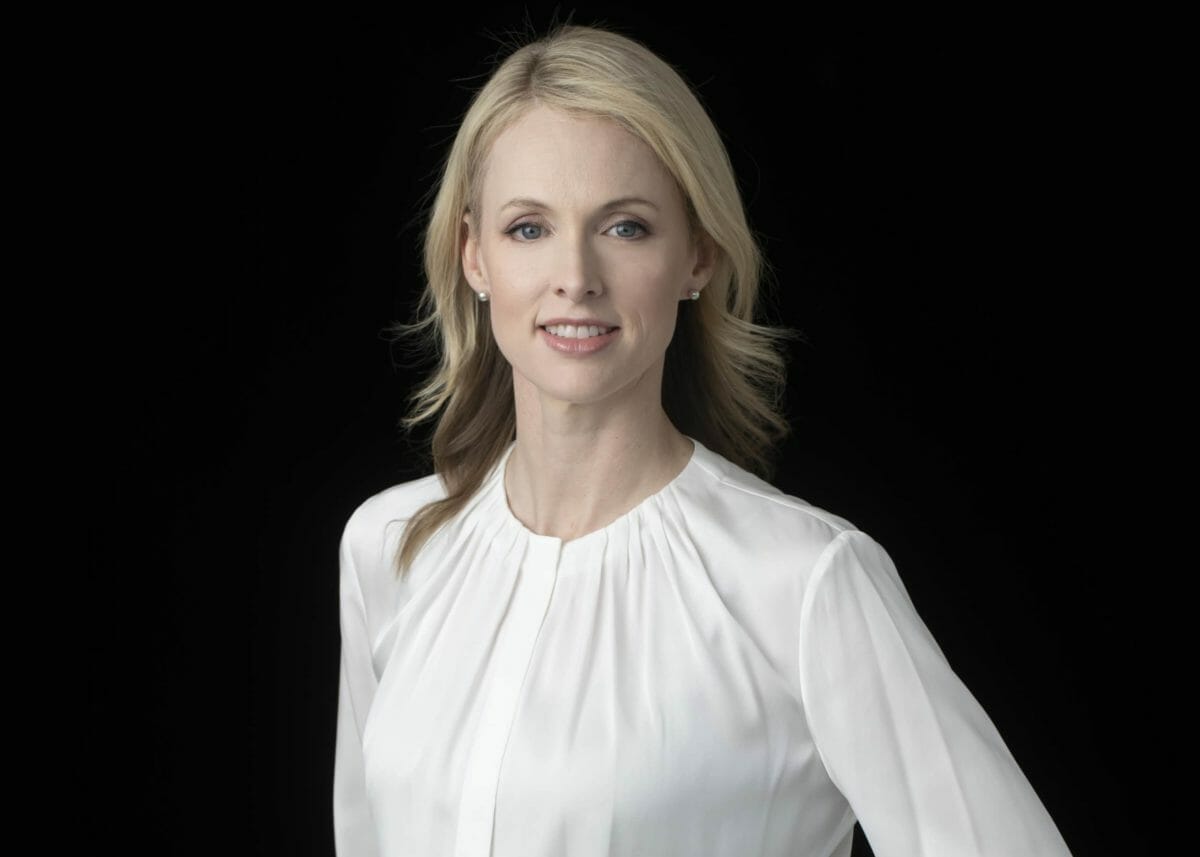
Founder of Tobacco Free Portfolios, Dr Bronwyn King hosted a webinar on Wednesday where CEO of Credit Agricole, Philippe and CEO of Amundi, Yves Perrier made comments alongside WHO chief, Tedros Adhanom Ghebreyesus and head of the PRI, Fiona Reynolds.

“Sustainable and tobacco do not belong in the same sentence,” King says. “We hope that on World No Tobacco Day that the finance sector will be inspired to put tobacco-free finance on the agenda and consider signing the pledge. The world needs leaders to impact these huge global issues, and if we bring the whole industry along it will be more impactful.”

In a video message, WHO director general, Tedros Adhanom Ghebreyesus called the Tobacco-Free Finance Pledge the missing piece in the fight against tobacco.

“Tobacco is the largest cause of preventable death in the world. One person dies every four seconds and at WHO we are working hard to stop the tobacco epidemic,” he says. “Tobacco costs the global economy $1.4 trillion per year, due to health costs and lost productivity and it proportionally effects people in low and middle income countries. I applaud the leadership of the Tobacco-Free Finance Pledge bringing together some of the largest finance firms.”

Sponsored Content

In 2017 the Credit Agricole group announced it would cease to insure or invest in tobacco companies, and CEO, Philippe Bassac, said it was logical to sign the pledge.

“We sign the pledge adding a commitment that we shall exit the financing of tobacco companies within three years. We are fully engaged to accompany you to achieve this target,” he said on the webinar.

Yves Perrier who is CEO of Amundi, the largest fund manager in Europe, says cigarette makers are now excluded from its actively managed open-ended funds. The manager typically has a best in class approach to ESG.

WHO forecasts one billion deaths from tobacco this century. And there are so many compelling statistics with regard to the fight against tobacco companies: tobacco is the largest cause of preventable death; tobacco kills eight million people every year; in the UK six times as many people die of tobacco than they do of road accidents; in the US alone tobacco costs $320 billion a year in direct healthcare costs and lost productivity. And then there are the secondary costs of child labour, environmental impacts and supply chain issues.

“There is a signifcant supply chain issue, 16 countries use child labour in the tobacco industry,” King says. “But it is not just the health impacts that are important, there is a significant impact on the environment. The number one plastic in the ocean is cigarette filters. We have seen with plastic straws that people will change their behaviour to reduce plastics in the ocean, and this needs to be part of the anti-tobacco crusade. We need to be aware of what it is doing not just to humans but the planet.”

The UK master fund, NEST, which manages around £10 billion, became a signatory to the pledge about a year ago.

CIO Mark Fawcett said the fund had been concerned about tobacco and the related issues such as child labour in the supply chain, and environmental impacts.

“But as a fiduciary it was important to understand the financials,” he says. “We undertook a project on the outlook for the tobacco industry – including the impacts of increased regulation and litigation and declining rates of smoking. We concluded it was an industry that would effectively run into the ground so we divested while we had the chance. As signatories to the PRI part of our responsibilities is to be advocates for it.”

WHO points out that tobacco usage threatens many of the Sustainable Development Goals and Fiona Reynolds, chief executive of PRI, says in fact 14 of 17 SDGs are negatively impacted by tobacco.

“Going tobacco free is one way to demonstrate a commitment to sustainable investment, and driving better ESG outcomes particularly in light of COVID 19,” she says. Tobacco Free Portfolios estimates there more than one billion smokers in the world that are at greater risk during the COVID-19 pandemic.

“Long term stewards of capital should be holding companies to account,” Reynolds says. “COVID-19 has taught us that without healthy people and a healthy planet there will not be a healthy economy. We see that now is the time for decisive and collective action. This is an opportunity for the finance sector to shape a response that aligns profit and planet.”

Other speakers on the webinar included Inga Anderson, executive director of the UN Environment Programme; , HRH Princess Dina Mired of Jordan, who is the global ambassador for Tobacco Free Portfolios and president of the Union for International Cancer Control, as well as the mother of a cancer survivor; and Nobel Prize winner, Peter Doherty, an immunologist and pathologist who, won the Nobel Prize for  Medicine in 1996 for the discovery of how the body’s immune system distinguishes virus-infected cells from normal cells.

“It is time to take this cause of morbidity out of the equation. It is time to face the reality, and call it quits on tobacco,” Doherty says.

Tobacco kills eight million people each year, with more than seven million of those from direct tobacco use. But a video message produced by the World Health Organisation says the real secret is it doesn’t stop there. The video says the deaths mean there are eight million new gaps in the market for tobacco each year and the tobacco industry doesn’t care who fills those gaps.

“The tobacco industry is targeting children and adolescents to replace the eight million people their products kill every year,” the video says.

It’s a simple message for a global problem, King says: “No-one wants their kids to smoke. So let’s stop financing the tobacco companies.”


Leave a Comment

La Caisse’s oil exit pays off as renewables portfolio pulls ahead of fossil fuels

La Caisse’s oil exit pays off as renewables portfolio pulls ahead of fossil fuels

Divesting from the oil sector has been a boon for La Caisse’s performance, as the Canadian pension giant says its energy investments have earned billions in value-add compared to the benchmark since the inception of its climate strategy. Head of sustainability Bertrand Millot unpacks the fund’s approach in an interview with Top1000funds.com.

Sort content by

Real assets, public equity the key as Oregon PERS gets climate mandate

The US state of Oregon is on the cusp of passing a legislation that will require the $100 billion Oregon Public Employees Retirement System to invest in clean energy wherever possible as it aims for a net-zero portfolio by 2050.

Reconciling ethics and returns in pursuit of a sustainable economy

Can investors and governments balance financial returns with social equity, or will short-term gains prevail? Anastassia Johnson, researcher at the Thinking Ahead Institute, tackles the complex debate about what makes a just transition.

Path to net zero requires honest dialogue about sustainable investing

Leading institutional investors at the Fiduciary Investors Symposium at Harvard said the industry could benefit from having a franker conversation about sustainable investments, both in terms of what climate goals are achievable on the path to net zero and what is behind the pushback on ESG funds.  

Why adaptation alone won’t solve the climate change conundrum

Is a narrowly defined transition likely to fail? The Thinking Ahead Institute’s climate transition working group has been exploring this thesis, writes the Institute’s co-founder Tim Hodgson.

GIC, Temasek eye trillions of growth in climate adaptation market

Singapore’s two largest asset owners, GIC and Temasek, see attractive opportunities in climate adaptation solutions – a relatively underfunded area compared to decarbonisation. The former has already made selective adaptation investments and said the opportunity set across public and private debt and equity could increase to $9 trillion by 2050.

Kentucky CERS: Trustees push back on hurried oil and gas investment

The board of trustees for the $10 billion Kentucky County Employees Retirement System has knocked back the fund's request to invest in an oil and gas fund. It also expressed frustrations that a specially convened board meeting was called on short notice.

Previous




