
Pension funds should prioritise technology before growth

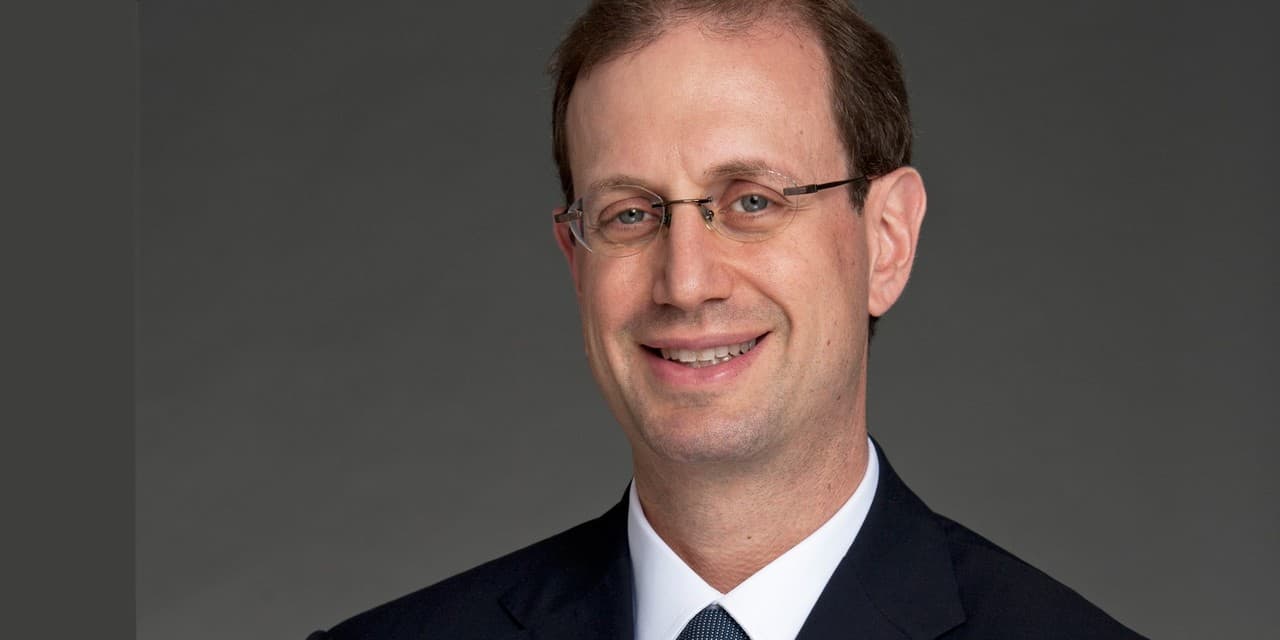
Pension funds positioning for growth should prioritise building technological capacity, according to chair of Alberta Investment Management Company Mark Wiseman who led CPPIB through a significant growth period.

“Really, if you have much less than $1 trillion in assets it’s almost impossible to compete globally, as big as the pension plans are, they’re not big enough to compete with the private sector,’’ Wiseman told delegates at Conexus Financial’s Fiduciary Investors Symposium in Australia.

“People, processes and systems –  all of those things are incredibly important. If you’re playing catch up, you’re building your tech from behind and you’re never going to get it right,’’ he says.

“It’s a bit like a war; when you’re at war it’s great to move troops ahead but if you don’t have the supply lines then they can’t be effective at the front lines.”

Wiseman, who after leaving CPPIB as CEO also held senior executive positions at Blackrock including Chairing its investment committee, says the manager’s arrival at $10 trillion in funds under management was realised through technology and a “maniacal” focus on automating as many functions as possible for operational leverage, elimination of errors in the system, and use of data and IT systems to make investment decisions.

“Blackrock spends $100 million a year just on data. Not processing or analytics. Alternative data sources, satellite imagery and specificity around shipping costs,’’ he says.

Sponsored Content

AustralianSuper chief investment officer Mark Delaney says the Australian “mega fund” is now in Model 3.0 of its growth phase which means a more internally managed portfolio with a large investment team operating on a global platform.

“As we get larger the proportion of assets we have invested overseas will increase,’’ Delaney says.

“Australia is a very tough time zone to run global assets from and global investment is what we’re looking to build. We need to be in those markets closer to the assets.”

He predicts AustralianSuper will have 1000 staff in front and back office roles beyond two years, but says recruitment takes time and “bandwidth” from people doing the hiring from within the fund.

“In building 3.0, we looked at others who were $400 and 500 billion and saw what they were doing, the same way we developed 2.0.  We’re following the same tried and true strategies with a bias towards private markets,’’ Delaney says.

“We looked at capability and you need a large office, you need a global footprint, you need access to good deals, good partners and highly skilled portfolio managers and you need a very efficient implementation so you don’t give up much in leakages within the portfolio,’’ Delaney says.

Technological change is “coming slowly” to Australia’s super industry with fund managers still using spreadsheets and data which has not changed much since the 1980s, he says.

“There won’t be many fund managers who don’t know how to use AI in the future,’’ Delaney says.

“Data matters, but comes at enormous expense to the business. Already it’s very large for us and alternative data costs even more money. We need to watch data expense to make sure we’re getting value for money.”

McKinsey partner Eser Keskiner (the consultancy recently advised Aware Super on its five-year plan) says culture is central to sustainable growth for super funds.

“… as you expand how do you make sure the culture you build over time is not changed and is unique,’’ he says.

“One thing that’s worked well is mixing homegrown talent with overseas talent that blends; usually the secondees come back to their home country and culture is well established in overseas offices.”

Keskiner says artificial intelligence and data usage is also in a “nascent” phase for pension funds.

“The part that is still nascent is the usual AI, big data and tech in investment decisions,’’ he says.

“There’s this fear of: ‘where will tech fit in with investment decision making? Will it displace human decision making? Is it complementary? Where do we draw the line?

The big area is to what extent can we automate and take away analytical data analysis that will free up investment professionals to add quality on top.”

Leave a Comment

Pension funds confront the question of who owns AI

Pension funds confront the question of who owns AI

As the use of AI within asset owners evolves, organisations are grappling with the governance question of where the strategy and accountability sit. Darcy Song looks at the treatment of AI organisationally within a number of high-profile funds, including OTPP, AustralianSuper, CPP and Norges Bank.

Sort content by

CPP Investments on how AI redefines core investing roles and processes

CPP Investments’ trials show AI agents can handle key investment tasks end-to-end. In an interview, chief operating officer Jon Webster says tight governance, and the right human oversight, is the difference between breakthroughs and mistakes.

HESTA prepares AI investment framework for total fund clarity

The A$98 billion ($64 billion) Australian super fund HESTA is laying the groundwork for a more systematic framework for using AI across its total portfolio, solidifying use cases in research, forecasting, risk management and private assets that all centres on the objective of “seeing risks earlier and clearer”.

NBIM on AI cultural and organisational integration

By the evening of August 7, the same day GPT-5 was launched by Open AI, NBIM had it available to the entire organisation in a secure and scalable way. Joined on stage by CEO Nicolai Tangen at this year's Arendalsuka, the team behind AI integration explains their aggressive approach.

Responsible AI: Railpen lays out the risks

Much is written extolling the investor opportunities inherent in AI at a time policy makers continue to prioritise deregulation and innovation over safety, but a new report from £34 billion Railpen on the risks AI holds for investors' portfolio companies provides a valuable reality check.

AP4: Why a dynamic, shorter term allocation is paying off

Volatile markets have provided a rich hunting ground and opportunistic best ideas have come thick and fast for AP4’s new five-pronged global allocation made up of systematic equity, currency and rates, asset allocation, hedge funds/external mandates and analysis. Magdalena Högberg explains the risks and opportunities of the best ideas allocation.

Large language models to spark ‘sea change’ in investment analysis

Andrew Lo, finance professor at the MIT Sloan School of Management, believes large language models can bridge the gap between fundamental and quantitative investing in a way that was unfathomable five or 10 years ago, and create ‘quantamental’ investment strategies which would bring together the best of both worlds.