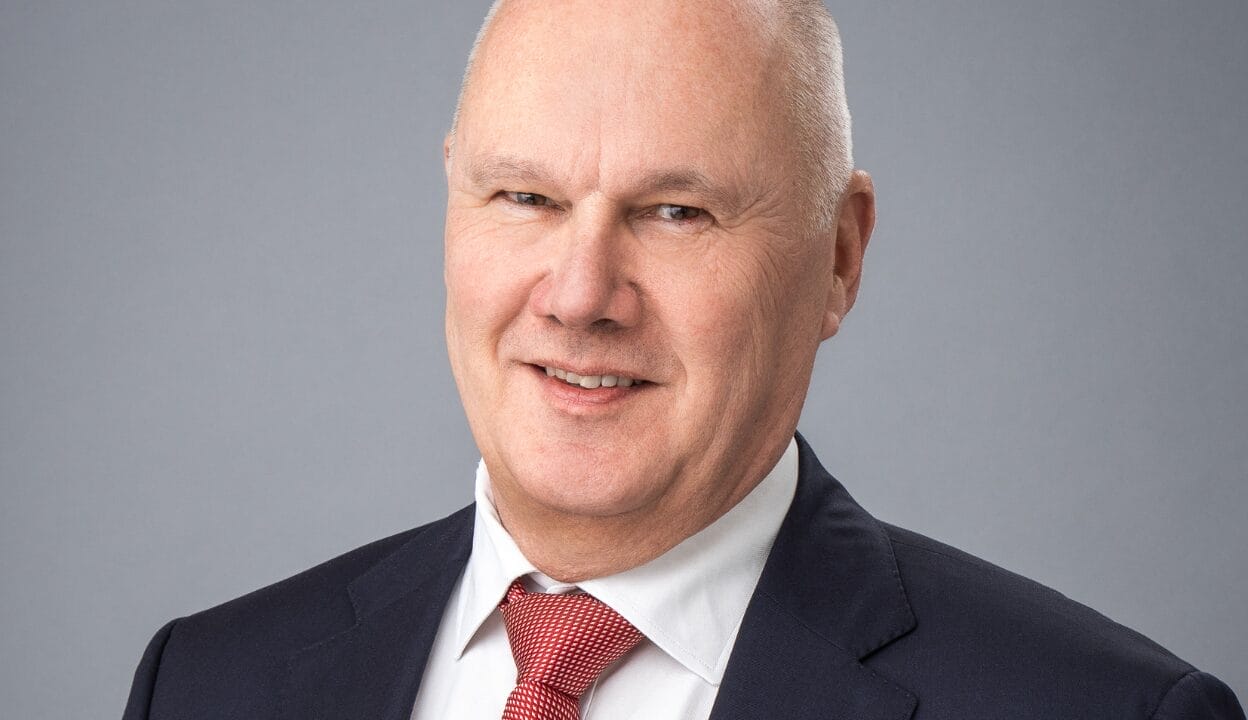

Brunel outlines owner/manager dynamic

Softer issues around the expectations an asset owner has of its service providers are difficult to measure and monitor. Expectations such as acting with integrity, good levels of communication, and the evolution of organisational structure are all important aspects of an asset owner/manager relationship, yet are not typical in investment management agreements.

Now, in a bid to promote long-term relationships with its managers, Brunel Pension Partnership, the £30 billion ($38 billion) collective of 10 like-minded UK local government pension schemes, has developed the Brunel Asset Management Accord for its managers.

The accord is a document, jointly signed by an appointed manager and Brunel CIO Mark Mansley, that outlines expectations around the partnership.

The accord states that it is intended to help clarify understanding and shape expectations in the implementation of the investment mandate that Brunel has awarded to the manager.

It’s a document expected to assist in the promotion of integrity and better alignment between the manager and Brunel, especially with regard to goals and time horizons.

“The aim of the accord is to capture not only our expectations of managers, but also the spirit of what they can expect from us,” Mansley says. “The idea is that by putting this document together, we can address managers’ key concerns and help managers understand what matters to us.

Sponsored Content

“It’s a proactive approach intended to equip managers to work with us more collaboratively and focus our dialogue with managers on the really important issues.”

In the accord, Brunel outlines its expectations under five main criteria: being long term; communication is vital; responsible investment and stewardship; collaboration; and thought leadership and innovation.

Being long term gets the most attention in the accord but expectations in that area are not limited to the asset manager’s actions. While the pension organisation states that it expects performance over the medium to long term and that the relationship will last several years, possibly a decade, it also addresses Brunel’s own actions in the monitoring of managers. The accord states that “investment performance, particularly in the short term, will be of limited significance in evaluating the manager”.

While Brunel typically expects its mandates to prove themselves in three years, and does terminate them with good reason, it expects some mandates to be in place for 10 years or more. It wants managers to be aware that appointing new managers is resource intensive and not something Brunel would do lightly.

The accord was developed in consultation with Brunel’s chief responsible investment officer, Faith Ward, who says it is intended as an opportunity for clarity and openness on both sides, with the aim of making manager relationships a true partnership.

“We hope that by spelling out our expectations, [we will make] asset managers feel safer and do better,” Ward says. “We believe that this documented approach is groundbreaking in the investment industry and hope that others will follow our lead. In the long term, more co-operative and transparent relationships will have better results for us all.”

Leave a Comment

Sweden’s FTN focuses on fees and returns in latest procurement

Sweden’s FTN focuses on fees and returns in latest procurement

Lower management fees and higher returns defined the latest selection process at the Swedish Fund Selection Agency in its latest awarding of active global equity mandates to 12 managers, its largest and most ambitious €20 billion ($23 billion) procurement so far.

Sort content by

CDPQ’s two-way street of efficient external manager relations

Like all good long-term relationships, external fund manager partnerships should be steeped in trust, open dialogue, patience and new ideas. Mario Therrien, head of funds at CDPQ explains the key to external partnership success and the important role external managers play in plugging knowledge gaps.

The challenge of asset owners top-down bottom-up alignment with managers

For pension funds with a large roster of external managers, balancing the integration of top-down strategy with managers’ bottom-up implementation is one of the most challenging tasks says Mark Walker, CIO of Coal Pension. The key is to ensure external managers truly understand the strategic goals for the allocation.

There is no substitute for due diligence

Principal-agent problems in asset management means there is no substitute for sound due diligence of asset managers. But how do you know if a manager is aligned with your long-term goals? Ariel Babcock and Matthew Leatherman from FCLTGlobal have some tips.

What long-term looks like: Tips for structuring mandates

The third edition of FCLTGlobal’s report, Institutional Investment Mandates: Anchors for Long-Term Performance provides a toolkit for mandate processes and behaviours to reorient towards the long term, including a rethink of KPIs that asset owners can use to evaluate their managers.

Cbus Super delivers lower fees, higher returns

The past year has seen Cbus Super bolster its team and systems - adding to its internalisation of investments - continue down the journey of fee reduction and deliver the best return of the fund’s 37-year history. Amanda White spoke to CIO, Kristian Fok.

Net zero commitments make greenwashing more prolific

The proliferation of grand gestures of sustainability, such as net zero commitments, means manager due diligence is even more important and more intensive, according to global head of research at Willis Towers Watson, Luba Nikulina.