

Lower management fees and higher returns defined the latest selection process at the Swedish Fund Selection Agency (FTN) in its latest awarding of active global equity mandates to 12 managers, its largest and most ambitious €20 billion procurement so far.
In a reflection of glamouring demand from the global asset management community, FTN received 99 tenders in its eighth procurement, part of an ongoing re-tendering process of the funds offered by the country’s mandatory defined contribution state pension fund.
High fees, poor performance, and in some cases fraud, among funds on the platform triggered a sweeping re-tendering process. The FTN will have procured funds worth around $116 billion between 2024 and 2027 and since 2023 the number of funds on the platform has dropped from 900 to around 450.
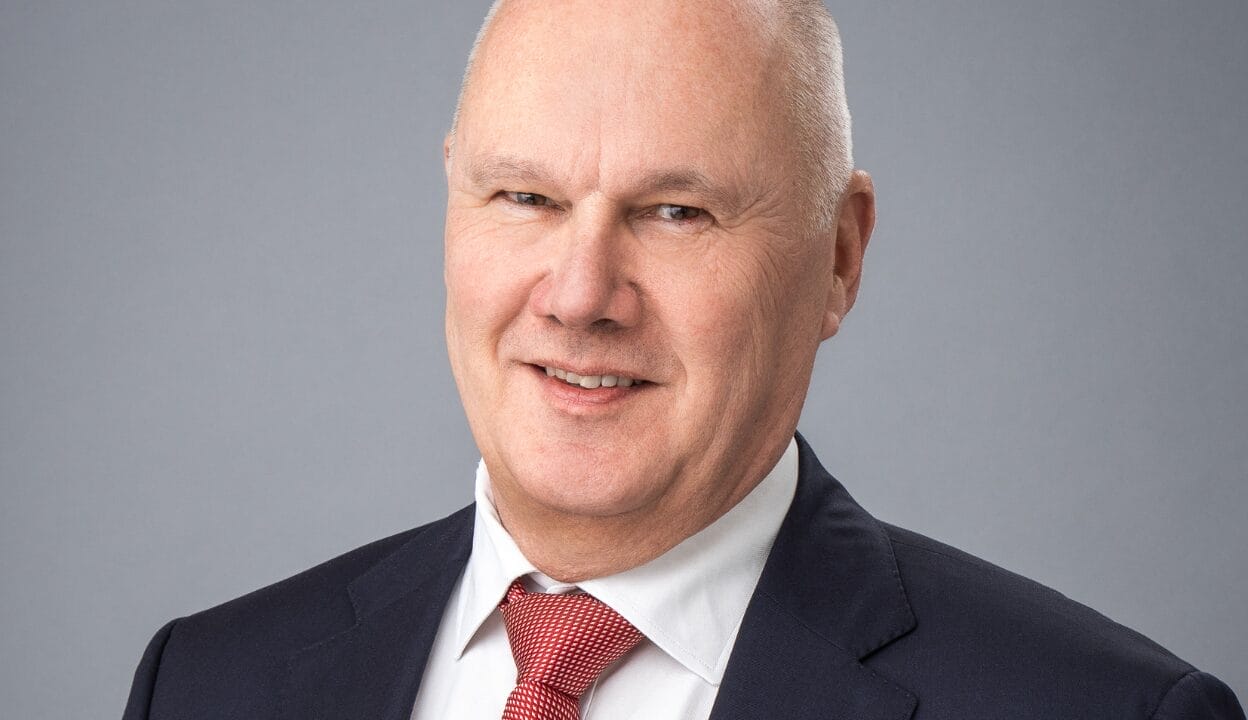
“We are confident the new fund offering will add value in terms of future returns and lower management fees,” says Erik Fransson, FTN’s executive director. “The increased quality among the new range of funds products and managers will add most value for our savers.”
Working Swedes have paid into the fund ever since it was established in 2000, and assets on the platform are forecast to double to $451 billion by 2040. Today, the entire premium pension system accounts for around $232 billion split between the FTN and default fund AP7 which manages an option for savers who did not make an active investment choice. Members of the system can choose the level of risk and strategies for their savings.
Higher quality funds
In the latest procurement, Fransson oversaw a rigorous selection procedure where only 69 of the 99 tenders initially qualified. After reviewing these offerings, the FTN drew up a shortlist from 27 interviews in onsite meetings that drilled down further into the finer points in the manager’s RFP.
Fransson said his key takeaway from the latest process is the number of higher quality funds on the platform. Average target annual returns from active equity are now 8.8 per cent compared to the old universe of funds which had an average annual return of 5.5 per cent. That compares to returns from MSCI World of 9.1 per cent, and buffer fund AP7 of 7.7 per cent.
“This represents a major improvement going forward,” he said. “We believe the new universe is a higher quality than the old, and we can expect the new universe to produce higher average returns.”
Focus on fees
A key element of the interview process included efforts to get managers to lower their fees, and 22 out of the 27 adjusted prices after the interview. Some high quality funds were not awarded a mandate because of their fees, said Fransson.
FTN’s average management fees have now fallen by 50 per cent, and the new active equity fund universe has fees on average of 0.186 per cent. That compares to an average fee of 0.371 per cent before.
“Record low fees mean management quality will become more dominant in selection than fees,” he predicted.
The new mandates span value, growth, and systematic managers, and include emerging markets as well as diversified and focused strategies. Managers span boutique to global players and Fransson welcomed the competition from the high number of tenders which has ultimately fed into the stronger universe.
In a reflection of the jump in the quality of fund managers bidding for mandates on the platform, Fransson said none of the managers were disqualified due to mistakes, or poor responses.
Managers have been attracted to bid because the value of assets under management in the categories won’t change – managers have a clear idea of the amount of assets they will be able to manage from day one if successful, helping the agency secure the best price.
Managers pay a tender fee and if they are successful, a platform fee based on assets under management. These requirements have successfully deterred managers without a good chance of success from going through the lengthy RFP process. All FTN’s costs are financed by an annual fee of 0.5-1.5 bps of assets under management on the platform.
Fransson said he expects winning managers to sign fund agreements in March from when they will begin onboarding. Funds that are not selected will be closed to new investments, and redeemed.








Leave a Comment
You must be logged in to post a comment.
Login