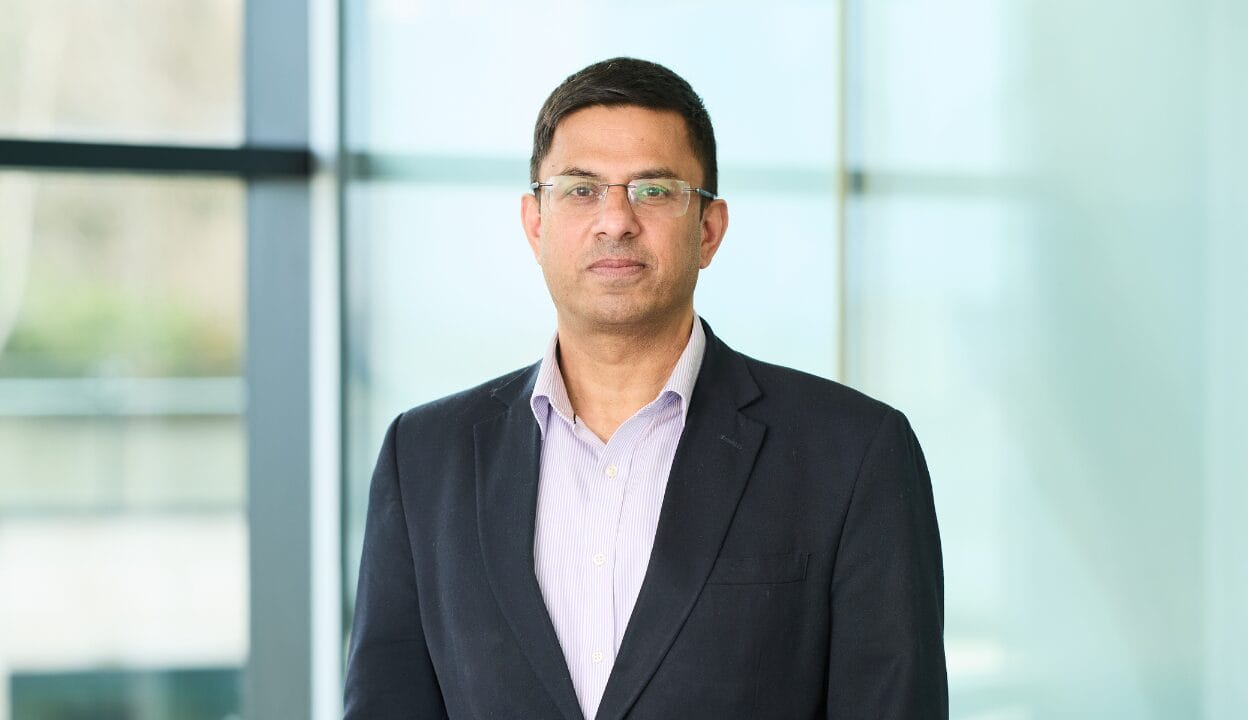
PMT talks infra equity and how to balance stock concentration risk

Hartwig Liersch

Pensioenfonds Metaal & Techniek (PMT), the Netherlands’ third largest pension fund, is battening down for a period of inflation.

In the €86 billion ($97 billion) pension fund’s scenario analysis that stress tests the portfolio’s ability to withstand shifts in geopolitics or changes in debt ratios and interest rates, inflation risk has moved front and centre.

Stress testing is helping PMT identify where its portfolio already has inflation-linked exposure and where additional protection may be needed. Beyond holdings such as linkers and mortgages, the fund is now measuring the different inflation protection that comes from PMT’s varied infrastructure assets which span social infrastructure (toll roads or bridges) to data centres and renewable energy and hold dispersed contracts which equate to various hedging levels.

One area that gives more shelter from inflation is infrastructure equity in sectors like renewables, chief investment officer Hartwig Liersch tells Top1000funds.com from PMT’s Utrecht office. Yet the bulk of PMT’s infrastructure allocation dates from 2021 when it launched a €2 billion ($2.2 billion) infrastructure debt mandate with AXA IM and Macquarie.

Equity investments with indexed revenues and potential uplift from asset price appreciation perform better in an inflationary environment compared to the interest paid on debt, he says.

“Like all pension funds, for us, the big question is inflation. We are currently looking at the types of infrastructure investments that offer good enough contracts to follow inflation up, and by what percentage. The inflation link within contracts and the sectors we are invested in, can make a real difference,” he says.

Sponsored Content

Still, any quest to find inflation protection in private assets must now be balanced within the parameters of the Netherlands’ new pension system.

Private markets now account for around 20-25 per cent of assets under management at PMT in an allocation that began with private equity, real estate, and mortgages, and only more recently expanded into infrastructure debt and private corporate debt.

Liersch will wait to build out the allocation further until the dynamics of the new pension system have become apparent. Because participants now set their own risk budget within which to maximise returns, it might change the underlying dynamics between public and private markets: any additional illiquidity must fit within the risk budgets PMT is given.

“It is worthwhile to have more illiquidity premium in the new system, but only if it fits in risk budgets and bandwidths that we are given, and we don’t know the dynamics yet.”

Moreover, he says the ability of historical data to accurately reflect future risk is now challenged by dramatic shifts in trends and fundamentals.

“When we used to conduct our asset-liability management studies using past data, year on year, that data was mostly stable. Now there is a real disconnect between historical data and new levels of risk and uncertainty in the investment space. The question is if this is a temporary disconnect or indicative of a big change that we need to factor into our decision-making.”

Navigating concentration risk

In another initiative, Liersch and the team are also trying to better assess where to cap concentration risk in the equity portfolio in line with PMT’s risk appetite. Get it wrong, and capping equity concentration can also crimp returns, he explains.

PMT uses a custom benchmark rather than off-the-shelf, market-cap offerings and has developed its own methodology over the years (particularly in equities) to integrate ESG investment criteria.

The benchmarks are used for passive portfolio and for evaluating active managers and around 25 per cent of the companies in a standard developed market benchmark have been removed leaving about 300 stocks from an original universe of 1300.

“We are exploring how we deal with concentration risk in our benchmarks. It is a question of finding out what equates to an appropriate concentration cap in line with our risk management where we don’t like to be over-exposed to a single name. Yet we have also found in the last few years that reducing concentration impacts performance.”

He says one idea under consideration is to actively cap concentration risk at certain points in the year, outside which the index stays the same and is allowed “to float.” He adds that PMT’s asset manager NN is currently monitoring these occasional benchmark cap adjustments, tracking and screening so that when the deviations become too big, it can adjust back if needed.

Building out corporate debt and venture

In a recent sleeve to strategy, PMT is investing more in corporate debt via two new mandates with Robeco and MetLife. The allocation includes investments in companies in The Netherlands’ metals and engineering sectors where the pension fund’s beneficiaries work.

In a similar philosophy, PME’s venture allocation, launched seven years ago, supports Dutch deep tech companies seeking to scale with proven technologies, but which often struggle to access finance. It’s an area Liersch says the team is actively looking at how to allocate more.

For now, PMT only invests with a handful of managers (it’s hard finding venture GPs that combine engineering and financial knowledge) and although the allocation hasn’t seen any returns he insists it is doing “very well”. These types of investments take a long time to come to fruition and require continued capital, even as the valuation of the business goes up. It takes longer than a typical VC mandate, but these factors also make it interesting.

Leave a Comment

Finland’s Elo: Larger equity allocations promise new media scrutiny

Finland’s Elo: Larger equity allocations promise new media scrutiny

As Finland's pension funds prepare to increase their equity allocations to unprecedented levels compared to global peers, they must also navigate a new and unfamiliar risk. Elo's chief investment officer Jonna Ryhänen explains the fund's investment approach going forward and how it will manage stakeholder and media scrutiny as they react to swinging volatility and returns.

Sort content by

A rock and a hard place: GEPF on the challenges of transitioning coal

Reducing exposure to the risk in coal is particularly challenging for South Africa’s $122 billion Government Employees Pension Fund. ESG manager Belaina Negash explains the complexities due to the industry's tie with the economy and the fund's transition framework.

Mid-market, asset-backed private credit shines for growing Asian allocators

Asia's growing investors, including university endowments and family offices, are hunting for returns in lower-middle market and asset-backed private credit. In an interview with Top1000funds.com, head of Asian clients at the $92 billion OCIO Cambridge Associates, Prabhat Ojha, talks manager selection and Asian allocators' rising appetite for alternatives.

France’s FRR ups risk in line with longer term investment horizon

Fonds de reserve pour les retraites (FRR), France’s €21 billion ($24 billion) pension reserve fund, has increased its weighting to equity in line with a new strategic asset allocation to reflect the investor's longer return horizon. It is also eyeing more unlisted assets including private equity, private debt and infrastructure.

AP4: Why a dynamic, shorter term allocation is paying off

Volatile markets have provided a rich hunting ground and opportunistic best ideas have come thick and fast for AP4’s new five-pronged global allocation made up of systematic equity, currency and rates, asset allocation, hedge funds/external mandates and analysis. Magdalena Högberg explains the risks and opportunities of the best ideas allocation.

University of California: Less is more and simple is better in investing

Jagdeep Singh Bachher, the CIO who oversees the University of California's $198 billion in pension and endowment assets, says that he wants to keep investment simple as the fund removed its hedge fund allocation completely, conceding "it’s not one of the things we are good at doing".

NBIM eyes Asia’s growth as global capital shifts east 

The $1.8 trillion Norges Bank Investment Management marks the 15th anniversary of its Singapore office this year, with the unit now firmly established as its Asia-Pacific stronghold. As regional growth set to continue in the coming decade, NBIM is well-positioned to capitalise on it, says Singapore head Sumer Dewan.

Previous