Korea’s national fund steps on the gas with global shift

The $200 billion National Pension Fund of Korea, which like many Asian funds sailed through the global crisis virtually unscathed, is looking to reduce its big overweight to fixed interest in favour of international equities and other growth assets.

The trend to more international assets actually started several years ago, but was suspended in 2008 when the fund suffered its first negative return since inception in 1987. That negative, a negligible minus 0.8 per cent, of course, compares with double-digit negatives for most big pension funds in the world.

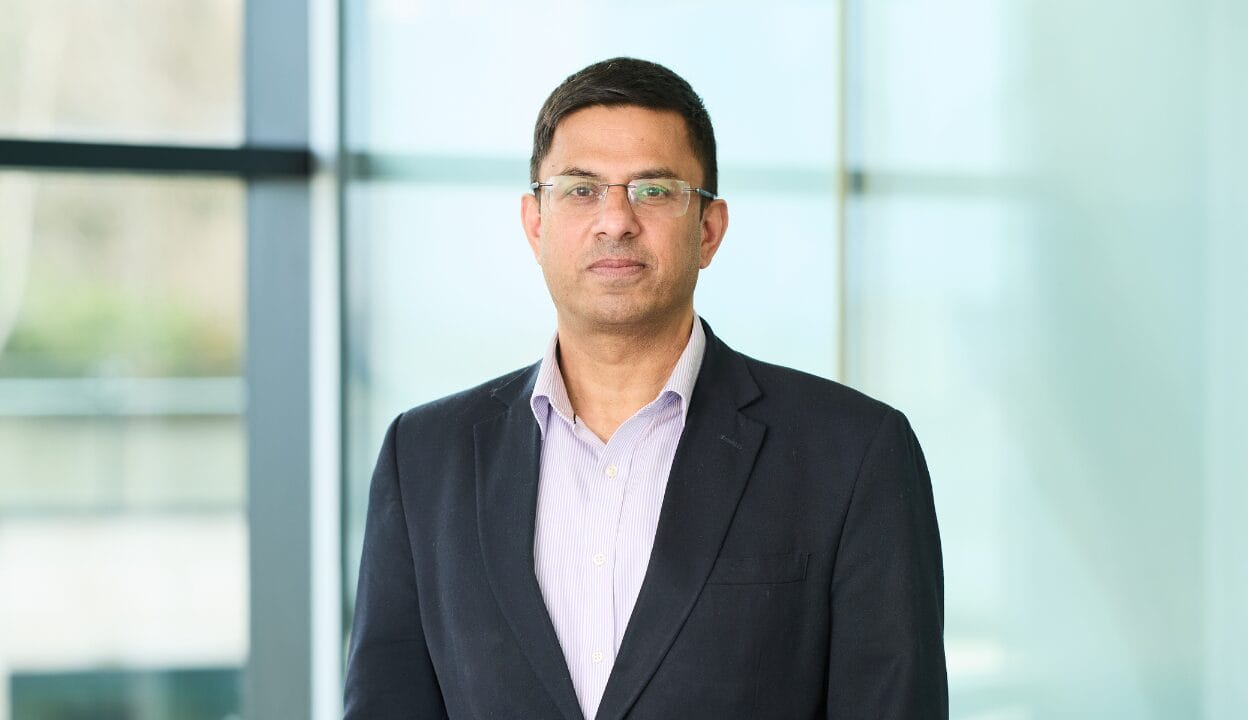
“By 2009, we were back to normal with going global and going active,” according to Kyungjik (KJ) Lee (pictured), the head of global equities and fixed income for the National Pension Service, which manages the fund as well as the Korean national pension system.

There is more urgency about the Korean fund’s growth aspirations compared with most government pension funds, however, given the country’s demographics. By 2050 Korea is expected to be one of the “oldest” countries in the world as a result of increased longevity and a birthrate which has declined sharply since the 1960s. The demographics are made worse by a low household and personal saving rate compared with other nations.

The move to more international and more growth assets has been gradual. As of July this year, 70.1 per cent of the fund was still invested in domestic fixed interest and a further 4.6 per cent in international fixed interest. Domestic equities accounted for 14.3 per cent, overseas equities 5.8 per cent and alternatives 5 per cent.

“We are trying to go global and add more risk assets,” KJ says.

Sponsored Content

The fund has set targets for its strategic asset allocation for the next few years. It aims to reduce domestic fixed-interest to below 60 per cent by 2014, at the same time increasing domestic equities to more than 20 per cent, overseas equities to more than 10 per cent, overseas fixed interest to more than 10 per cent and alternatives to more than 10 per cent.

For such an historically conservative fund, the current alternatives allocation of 5 per cent stands out.

KJ says the fund has tended to see mainly the big-name private equity managers such as KKR and Carlisle. “But we’re in the very early stage of the program,” he says.

He is not too concerned with benchmarks: “I have to make money. What does it mean to beat the benchmark?”

Before his current role, KJ headed the external funds management team at the country’s $38 billion sovereign wealth fund, Korean Investment Corporation. He has an economics degree from Seoul National University and an MBA from the famous Wharton School in the US. He is also a CFA charterholder.

Leave a Comment

The Austin advantage: Texas Teachers talks optimism, innovation and growth

The Austin advantage: Texas Teachers talks optimism, innovation and growth

Jase Auby, TRS's celebrated CIO, explains why TPA doesn't fit with its culture; why community push back on data centres could turn out to be an investor advantage, and argues the case for continuing to invest in fossil fuels. Top1000funds.com sat down with the CIO in his Austin office for an all-encompassing conversation.

Sort content by

Korean fund faces unique challenge

The KRW14.3 trillion ($12 billion) Korea Public Officials Benefit Association is sitting on more than 10 per cent cash, but in a unique challenge due to the coronavirus crisis, it is having trouble deploying capital. Amanda White spoke to CIO, Dong Hun Jang, about the options including listed alternatives and distressed opportunities.

Liquidity, rebalancing reign at PSERS

Cash is king right now, according to CIO of the Pennsylvania School Employees’ Retirement System, Jim Grossman, and he’s got plenty of it. The fund has a very diversified asset allocation, with about half the portfolio invested in liquid assets and Grossman and his team are working hard to make sure that the strategic allocations are maintained.

France’s FRR prepares to ramp up equity

The French SWF, FRR, is preparing to invest more in equities and illiquid assets as important reforms extend its time horizon. With the coronavirus crisis delaying the asset allocation decisions the fund is operating in an "intermediate context", slowly shifting out of bonds and into equities.

PFA navigates corona storm

In the six months Kasper Lorenzen has been CIO of the Danish fund, PFA, he has made moves in investment and decision-making that have resulted in the fund weathering the short-term coronavirus storm. He is however, wary of the long-term structural changes particularly to patterns of globalisation.

Oregon PE revamp shakes off GFC legacy

Oregon Investment Council has committed to investing $3 billion a year in private equity, with the smooth pacing strategy part a response to the fund’s overweight position to poor performing vintages as a result of its allocations before and after the GFC. The investor is also focusing on manager relationships with a focus on accessing new relationships and upsizing the best existing ones; and a new strategy that sees no provider in charge of more than 5 per cent of the portfolio.

Minnesota to expand private markets

A strategic and long-term focus sees the Minnesota State Board of Investment CIO, Mansco Perry, adopt a patient and encouraging approach when it comes to climate change and diversity. The $104 billion fund is also looking to expand its allocation to private markets, and double its internal team.

Previous