

 The US$7 billion Hong Kong Jockey Club fund is looking to invest in the new year into some secondary private equity and distressed debt and equity funds, to take advantage of opportunities presented by the global financial crisis.
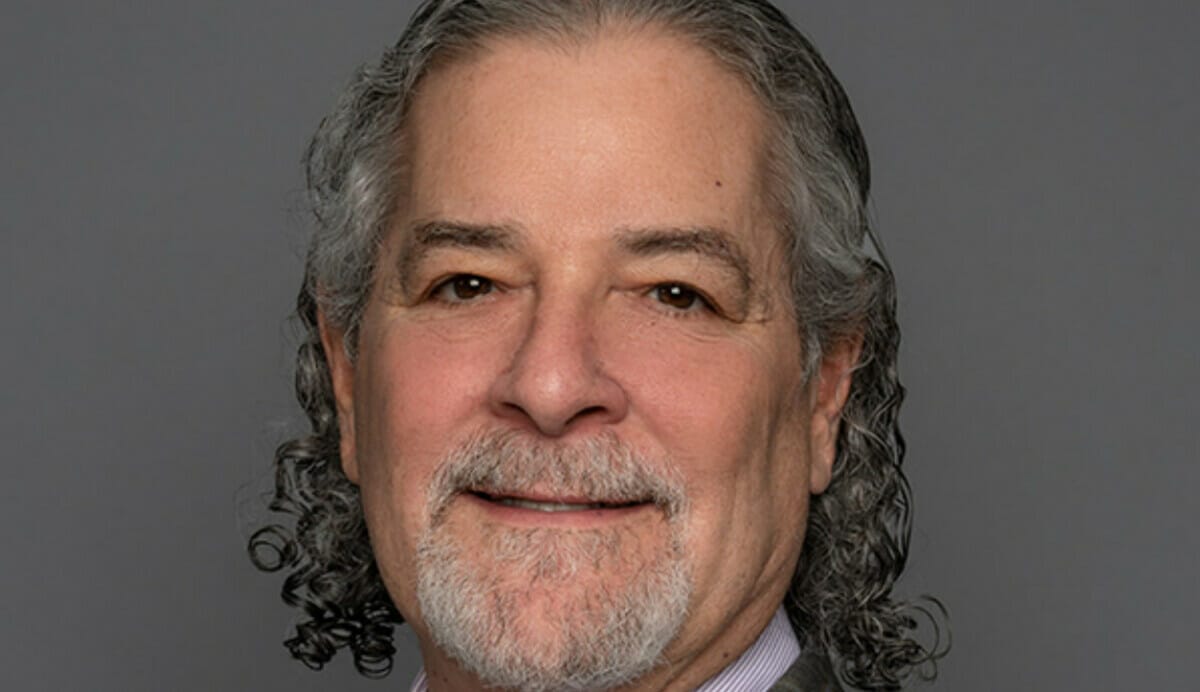
Jacob Tsang, the director of group treasury, who administers three portfolios on behalf of the club – Hong Kong’s biggest taxpayer and charity fund provider – believes that 2009 “will be a good vintage year” for distressed private equity funds.
The fund’s move into alternatives in 2000, particularly hedge funds, set it apart as a trendsetter in the region. It has also helped cushion returns in the slide of major markets over the past 12 months.
Tsang, who has been running the fund since 1996, says it took about two years to convince the 12-person board – stewards – of the diversification and other benefits from hedge funds.
“It was right after the Asian crisis, so there was some resistance at first,” he says. “We started off with two hedge funds of funds managers because we believed that we didn’t have the resources to monitor hedge funds ourselves. The objective was always to bring down volatility.”
The fund has favoured equity long/short, event and arbitrage strategies with its hedge funds exposures, so far avoiding global macro and active currency strategies.
“Up until the beginning of the year (2008) our hedge fund program achieved its stated target of 400-500bps over cash with low correlations and low volatility,” Tsang says. “The sharpe ratio of hedge funds puts them on top of other asset classes. They have some downside protection…But 2008 was a different picture. It showed that hedge funds are not immune from market dislocation. Undoubtedly their leverage and mark-to-market have caused problems.”
The fund does not hedge its international equity exposure and has a 50:50 hedge for international bonds.
Tsang has 20 staff over seeing the portfolios, including five money market and fixed interest dealers.
The three portfolios each have slightly different profiles. They are the club’s own portfolio of retained earnings, the charity trust and a small pension scheme, which has been closed to new members since the government introduced the National Provident Fund in 2000. Each portfolio has its own benchmark.
In its equity portfolio the fund permits some limited shorting, to about 130:30, with the managers also allowed to use derivatives.
The fund also uses a range of asset consultants, including Watson Wyatt, Mercer and Cambridge Associates.
While Hong Kong is a relatively benign tax environment, the Jockey Club as the largest taxpayer contributes more than US1.7 billion a year.
Tsang, who has an accounting background, joined the Jockey Club from the investment banking arm of Schroders in Hong Kong.
(See the edited video interview on the home page)







Leave a Comment
You must be logged in to post a comment.
Login