
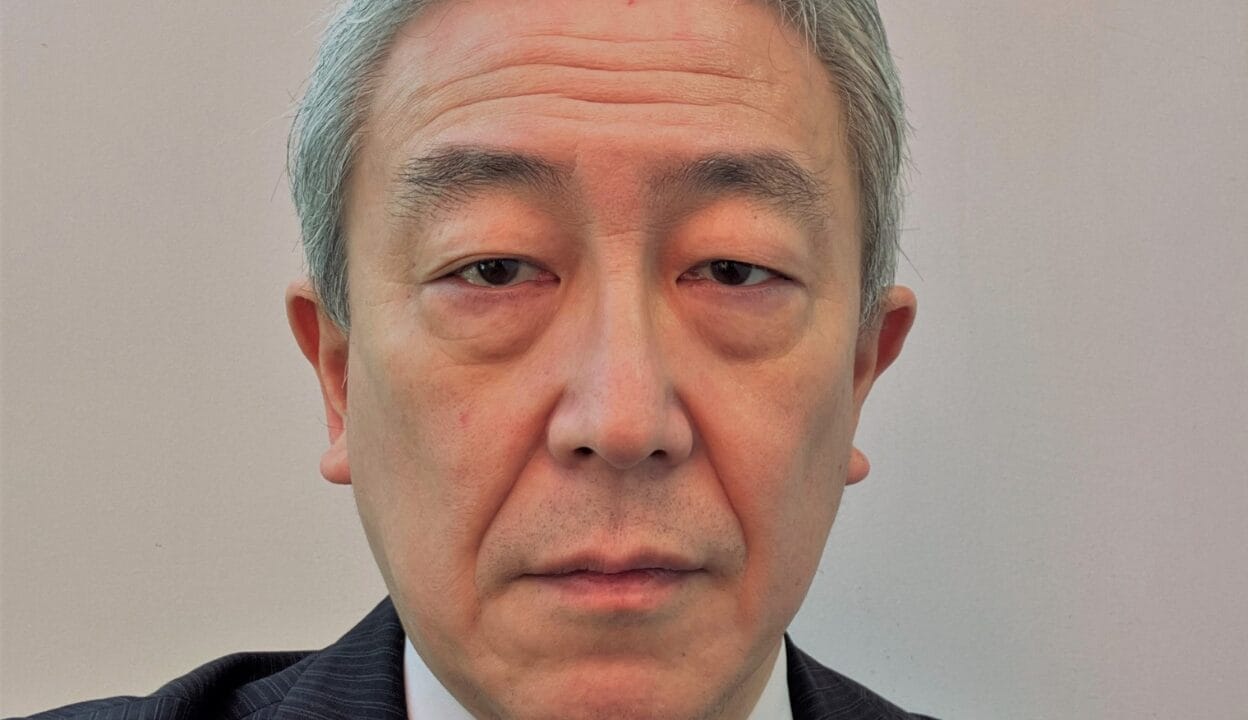

Japan’s Noritz Pension Fund, the 25.4 billion yen ($0.17 billion) corporate fund for employees of the manufacturer of gas appliances will continue to prioritise active management. Chief executive and chief investment officer, Kyoshi Iwashina, believes the current environment of high interest rates and inflation will continue to create volatility and opportunities in bonds and equity. He has shaped a strategy with a large allocation to overseas markets and outsized allocation to cash, ready to snap up opportunities.
“I may reduce passively managed products and increase actively managed products that can be considered excellent alpha creators in both fixed income and equities,” he says.
Iwashina is also considering increasing the allocation to short hedge fund strategies and reducing the weighting of the multi-asset portfolio, especially quant type products which he says have been built around data from the low-interest-rate, low-inflation era that means the models are less effective in an environment of higher rates.
Almost all (around 80 per cent) of the portfolio is actively managed, overseen by three staff members and targeting a 3 per cent return. The portfolio is divided between foreign bonds (28.2 per cent) foreign stocks (18.5 per cent) cash (20 per cent) hedge funds (14.4 per cent) multi asset (7.2 per cent) domestic bonds (5.9 per cent) general account, a unique product offered to pension funds by the insurance industry (4.1 per cent) and domestic stocks (1.7 per cent)
In another seam, he is mindful that opportunities in secondary and distressed funds in private assets will begin to emerge over the next few years. Although he remains on the sidelines for now, he believes the massive inflow of money into these private assets has been disappointing for investors. “Due to subsequent changes in financial and economic conditions, neither investment nor dividends seem to be progressing.”
He predicts that concerned LPs will gradually accelerate the process of disposing their interests, creating opportunities – especially when the latest round of dry powder is allocated.
“In another year or two will be a very good time to invest, as the buying power of primary funds will be reduced and the number of existing investors, LPs, will find themselves forced to let go at really big discounts, will increase.”
The small pension fund partners with 18 gatekeepers (an advisory role) and 50 investment management companies. Iwashina says a key requirement is asset manager support to ensure the portfolio is properly diversified. “Our goal is to minimize the amount we invest in any one investment product.”
Although he has 30 years of experience in investment management he says corporate pension fund CIOs in Japan often encounter prejudice and assumptions from the asset management community. Asset managers are particularly quick to attribute poor performance to pension fund CIOs, he says.
“In general, investors with small asset sizes are often assumed to be less financially literate and to have no investment management expertise,” he says. “I would like to request the financial industry to understand this point, as more and more people of my origins are moving out to corporate pension plans in Japan.”
It is not his only criticism of the asset management industry. He says asset managers are not putting enough pressure on corporate Japan on behalf of institutional investors and regulators to improve governance. Since the introduction of Japan’s Corporate Governance Code in 2015 the country has been trying to modernize corporate boards, long dominated by in-house executives. The Tokyo Stock Exchange is also pushing for stronger governance to improve underperforming companies, lift valuations and improve capital efficiency.
“I believe that many companies are taking this issue more seriously than before and are taking measures to deal with it. The problem, however, is that many Japanese managers lack financial knowledge, and in many cases, the true needs of investors are not taken seriously in their management. In this sense, I think it will still take some time to change to a level comparable to Europe and the United States.”
Iwashina’s call for stronger governance amongst Japanese corporates doesn’t extend to a wider enthusiasm for companies or investors to integrate ESG, however. Something he believes will only add to costs and impact returns in a culture wholly focused on return numbers and fund performance.
“We are not convinced that ESG is a source of excess returns on our investments, so we do not actively incorporate it into our investments. ESG means starting to do things we haven’t done before, which all contribute to higher costs, and in my opinion, will be a factor in the decline of corporate earnings.”
He is also critical of the government’s initiative to get companies to disclose the returns of their corporate pension funds. Part of a wider effort to improve pension fund investment in the country by introducing transparency and competition and includes topics like ways to attract talent into the sector and highlights the benefits of mergers between smaller funds.
“Since corporate pension funds vary in terms of the attributes of their members and the size of their assets, disclosing their performance may draw too much attention to their performance alone. I think it is utter nonsense to force disclosure that may encourage this form of comparison.”








Leave a Comment
You must be logged in to post a comment.
Login