


Illinois State Treasury is planning a new $700 million allocation to student loans in the first investment of its kind for any US state treasury. The $32 billion state treasury, comprising key portfolios that include the $14 billion State Investments portfolio, the $10 billion College Savings Plans and a trail-blazing auto-enrolment Secure Choice Retirement Savings Program for Illinois residents without a workplace pension, forecast to grow to $10 billion in the next six years, has never been scared to innovate.
But the latest initiative, waiting to be signed into law, aims to offer a first of its kind solution to Illinois’s cash-strapped students labouring under the nation-wide challenge of rising tuition fees.
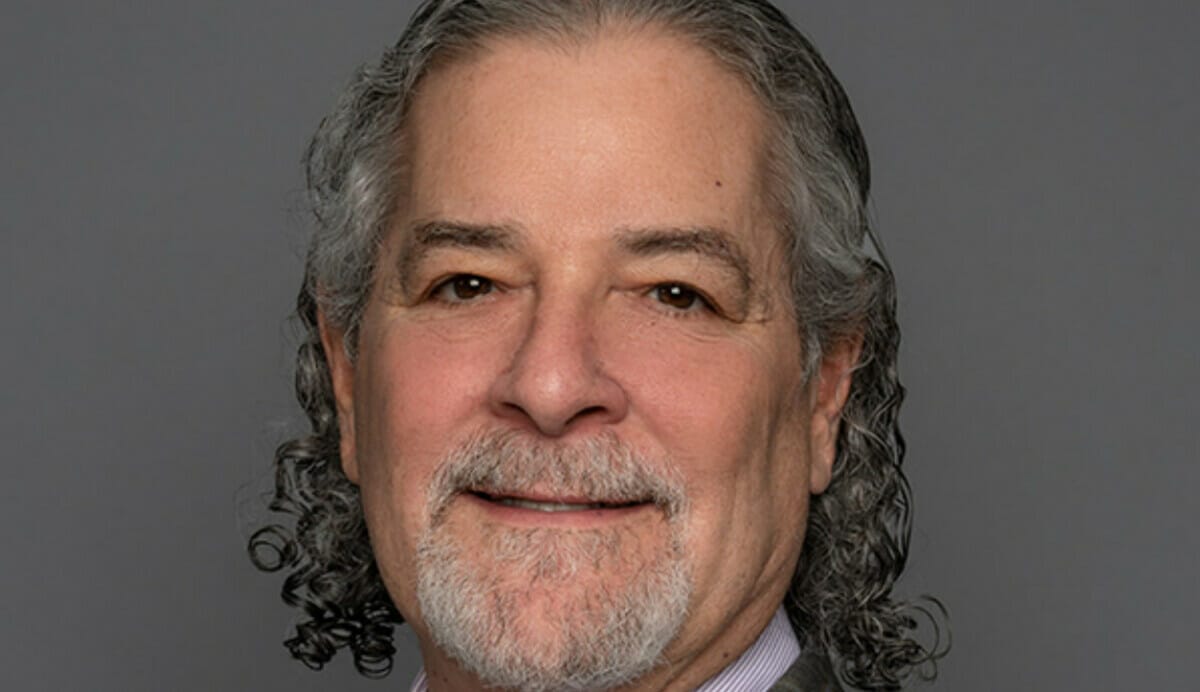
“Our aim is to lower the cost of student loans for Illinois students,” says Rodrigo Garcia, deputy treasurer and CIO at Illinois State Treasury where he reports to incumbent Treasurer Michael W. Frerichs.
“We have a lower cost of capital compared to what is currently available for many students and we want to use our patient capital to help. We can lend at lower rates and still have an acceptable level of return,” he says.
As it waits for the legislation to pass and sign into law, Illinois is exploring different strategies which span issuing loans itself, to working with banks. It is also looking at the best way to invest over multiple years. Possible structures include purchasing student loans on the secondary market as investments, partnering with financial institutions which will invest in student loans on its behalf at below market rates, or refinancing student loans that have already been issued. Illinois could also develop income sharing agreements for its students that involve equity-like structures whereby students payback a percentage of what they earn that rises the more their income increases, a little like selling stock in themselves.
“We are not sure how we will do it, but all options involve lowering the cost of capital,” says Garcia.
The investment size of the mooted portfolio will match Illinois’s existing $700 million Growth and Innovation Fund, ILGIF, which comprises private equity and venture capital investment in the state, targeting both impact and strong returns. ILGIF has returned 12.6 per cent since inception in April 2016 and its impact has been just as meaningful, spanning job creation, SME expansion and providing investment opportunities for minority managers.
“We don’t have this level of impact or return forecast for our student loan fund at this stage. It still needs to be approved and turned into law,” says Garcia.
ILGIF sits in Illinois’s $14 billion State Investments portfolio, the rest of which is invested in fixed income products in a dynamic, internally managed portfolio that includes US Treasury’s, municipal bonds, repurchase agreements and corporate bonds. Short, medium and longer-term maturities out to 10 years ensure a comfortable level of liquidity and risk in line with Illinois’s medium-term liquidity priorities. Given the fund finances traditional government functions like road building, healthcare and education it’s loath to lock-up funds for the really long-term, although Garcia acknowledges liquidity needs would never be 100 per cent of the portfolio.
“We don’t want to expose the State Investment portfolio to excess risk. Our intent is to use fixed income to create market returns and be able to provide liquidity within acceptable levels of risk,” he says.
In another strand to the strategy, Garcia has also grown wary of long-term bonds in the last six months because of the inverted US yield curve, which has seen short-dated yields rising above long-dated yields for the first time in over a decade.
“We are looking to see what’s going to happen. Because of the j-curve (partially inverted yield curve), we are keeping more of a focus on shorter investments compared to six months ago. We’ve come down on our weighted asset maturity over the last six months to keep us nimbler,” he says. The fixed income portfolio returned 1.52 per cent in 2018 and has returned 2.17 per cent to date this year. The possibility of higher returns from equity investment is confined to the $11 billion College Savings Plan, where assets are split between equity (50 per cent) fixed income (40 per cent) and other, and Secure Choice’s equity allocation. Illinois’s total equity exposure is around $5 billion.
Another first
In another first, Illinois became the first state treasury to join the PRI last August in a decision motivated by a desire to measure the fund’s ESG integration against peers. It was also born out of Garcia’s belief that ESG integration is a crucial extension of financial and fiduciary prudence and “a great value-add” for institutional investors that goes beyond SRI or negative screening.
“ESG really talks about the non-traditional financial impact. For example, the financial impact of soil erosion on agricultural companies, rising sea levels on insurance companies, hacking on tech companies, or the use of child labour in foreign countries on US-based companies. Ultimately, as this information becomes more widely reported, more and more state and local treasuries will adopt these strategies, but for us, it is about knowledge and education,” says Garcia, a former marine who credits his experience serving in Iraq and Afghanistan for his motivation in helping to drive change across the investment strategy.
ESG is integrated throughout the portfolio and combines traditional fundamental analysis with a sustainable overlay based on the Sustainability Accounting Standards Boards (SASB) framework.
“We overlay sustainability across our equity, fixed income and private markets. We don’t subscribe to the notion you can only integrate sustainability in equity,” he says.
He also believes that the growing availability and standardization of ESG data, and the growth in the number of companies adapting to the SASB framework, will make integration easier going forward.
“There has been an evolution in ESG towards more quantitative analysis. Before, we saw lots of qualitative reports and glossy marketing materials. Now there are more metrics and data and it is increasingly standardised,” he concludes.







Leave a Comment
You must be logged in to post a comment.
Login