

It’s often said that one cause of anti-ESG sentiment at some US public pension funds can be traced to external managers and proxy advisory firms pushing climate and social goals in the investment strategy without buy-in from beneficiaries.
In contrast on the other side of the pond, both literally and metaphorically, a unique endeavour to ensure participant buy-in and trust at Dutch pension fund Detailhandel is under way. The results from three beneficiary forums conducted earlier in the year to seek out participants’ ESG opinions and values are now being woven into investment strategy. [See also Dutch fund commits to member preferences.]
Critics of such an approach argue that boards abdicates their responsibility by asking members what they want. But Louise Kranenburg, Detailhandel’s responsible investment manager, is adamant the process has rooted the next leg of the pension fund’s bold responsible investment strategy in trust and credibility to support long term performance.
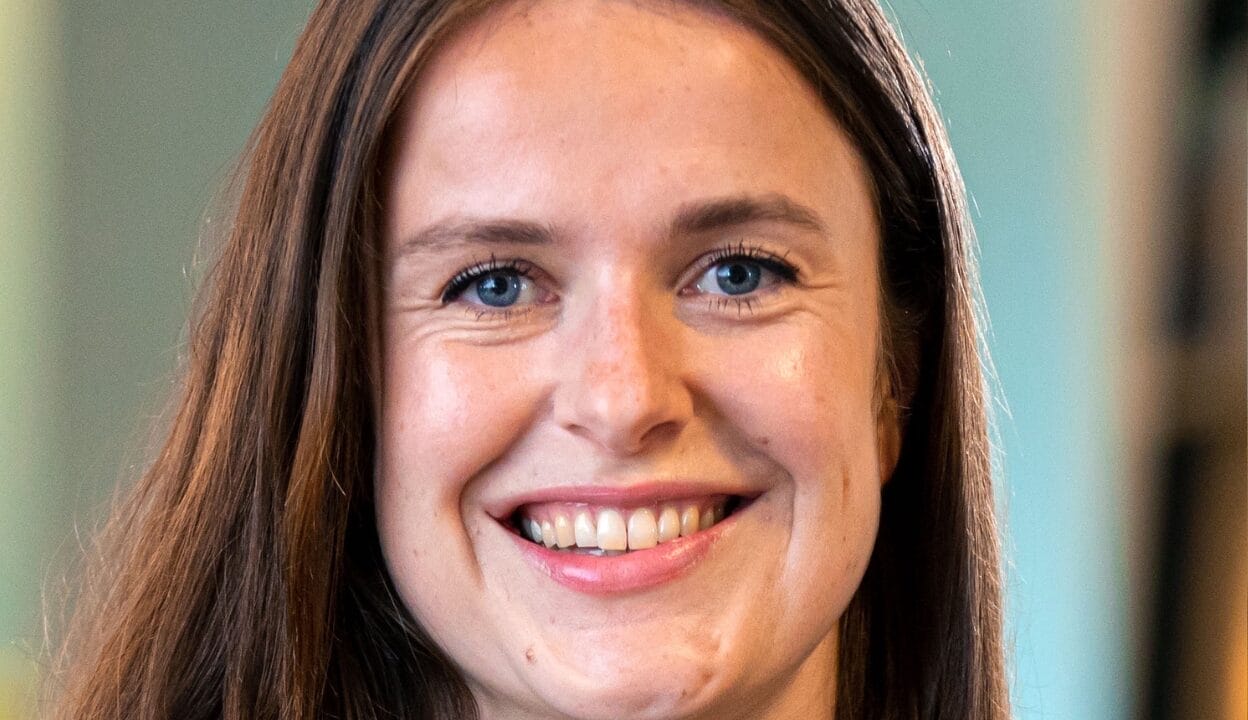
“ESG also involves values and we need to know what participants’ preferences are and what topics are important,” she says
Detailhandel has already written the importance of beneficiary preferences into its investment beliefs and regularly surveys its membership: in 2019 it used beneficiary preferences to shape a new equity index, for example.
But now a new qualitative process has embellished the binary yes/no questions of a survey to garner context and unearth beneficiaries own preferences. In February and March Detailhandel brought a representative group of 50 of its 1.2 million beneficiaries together in person to deliberate on complex questions, learn from each other and come together as a collective to present recommendations to the board.
It takes participant engagement to a new level – even by standards in the Netherlands where mandatory membership of a sectoral or company pension fund means engagement with participants is already pervasive.
“We didn’t want a group that was all sustainability-minded, and we didn’t want to just attract people who are vocal and have the time,” says Kranenburg. “We don’t know what our beneficiaries all feel and this model has allowed us to bring all their opinions together and make sure they come to a common ground.”
Ring in the changes
A suite of new initiative has emerged from the process.
The pension fund already under and over-weights companies in the index according to human rights but will now toughen its stance and remove companies that violate human rights and labour rights, tightening its divestment policy in line with participants’ wishes.
“Participants feel very strongly about these topics, which made the board decide to also formulate minimum thresholds for companies and introduce more strict norms than we currently have.”
She says the process will take time because the team will have to see how it impacts the risk profile.
In another indication of the 10-person board’s commitment to the issue, they have all agreed to undergo human rights training to better understand investors’ responsibilities and international frameworks
Participant engagement has also resulted in the pension fund seeking to invest more in affordable housing. Currently, 41 per cent of the allocation to housing within the real estate portfolio is invested in affordable housing. “We will have to investigate what is feasible,” she says.
The pension fund is also exploring whether to increase the allocation to impact, currently at 1 per cent. The next step in the process will involve drilling down into the extent to which participants are prepared to trade impact for returns and in what topics and themes they want to focus.
Detailhandel is a mostly passive investor (around 90 per cent of assets are in listed strategies) but uses custom indexes to shape what the market gives to its own preferences. The only exception is the allocation to long duration sovereign debt which doesn’t have an ESG custom index, but does have a sustainable bond objective.
“A custom SDG-index did not make sense because we invest in only a few European countries that score pretty similar on ESG-considerations. So under-/overweighting based on these countries’ ESG-characteristics did not achieve its goal.”
Another project in the pipeline includes integrating forward looking climate data in the custom-built equity index for developed markets.
“We have just started doing the first simulations.”
Private market strategies include allocations to real estate, mortgages, private debt and impact.
Understanding the trade off
Kranenburg explains that during the forums the investment team articulated the trade off and dilemmas around risk and return that come with investment, particularly responsible investment.
“We know from practice that things aren’t black and white; if you are positive on one thing it will affect something else.”
Moreover, she says Detailhandel’s board don’t agreed to all participant demands. In some cases, the board unanimously agrees to the idea, in others they have said it is something they are already doing, and may increase their ambition. Often they say this is not something the pension fund is in a position to solve.
The process has also given the investment team more confidence to divest. Beneficiaries said they prefer engagement but they are prepared to divest if companies don’t respond. Detailhandel is already well versed at engagement, escalation and collaboration. But she says divestment is always a more difficult decision.
“The last step of divestment is a struggle for the board, and this gives us as a pension fund more confidence that we can step up and beneficiaries will support it.”
A model for others
Kranenburg says no other Dutch funds have offered their beneficiaries a similar forum experience, but she reports lots of interest and growing efforts at inclusion.
In many ways it is now just a question of whether the board can keep up. Participants have requested a similar forum experience in two years time.
“This is ambitious because it will take us two years to complete all these actions,” she says.








Leave a Comment
You must be logged in to post a comment.
Login