
Cambridge hedge fund insight sells

A business built on advising clients about alternative investments, including private assets and hedge funds, has stood Cambridge Associates in good stead. It has capitalised on this heritage of researching alternative managers and asset classes with its outsourced chief investment officer (OCIO) division.

The US-based Cambridge is known for its advisory work with endowments and foundations, where private and alternative assets have been its specialty. But its OCIO business is its fastest-growing, increasing by nearly 30 per cent each year for the last five years.

Cambridge manages $22 billion for clients of its OCIO business. These clients tend to have a fairly aggressive asset allocation. While it varies by client, a typical allocation for an open plan would include: 10-15 per cent in alternatives such as private equity and private credit; 10-20 per cent in hedge funds; a healthy portion in long-only equities; and 20-40 per cent in fixed income, depending on funding status.

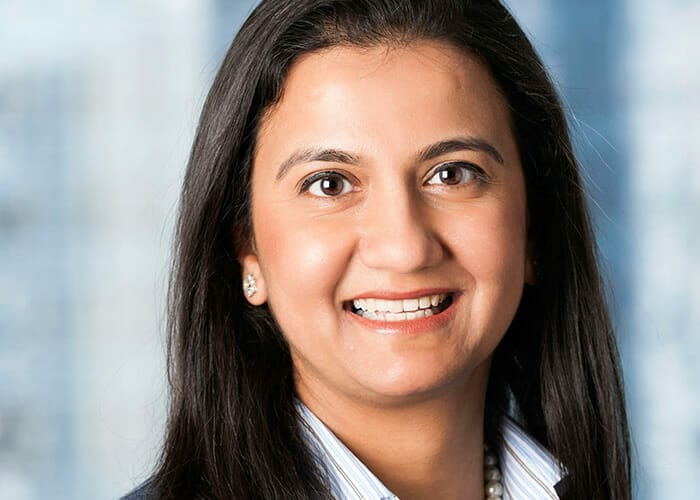
Sona Menon is a Cambridge OCIO working with clients whose assets range from $200 million to nearly $5 billion, and is also head of the firm’s North America pension practice. She says a meaningful allocation to hedge funds is a perfect way to de-risk and also allows portfolios to take advantage of growth opportunities.

“Hedge funds give me some upside but protect the downside,” she says.


Sponsored Content

Tough standards for hedge fund managers

In all asset classes, manager selection is critical, but perhaps more so in the hedge fund universe than elsewhere. The decision is not just about the robustness of the firm or philosophy; it also considers the role the strategy plays in the portfolio, which Cambridge says should be specific for each manager.

Here’s where the firm’s long history of researching alternatives for its advisory business has placed it in an enviable position – hedge funds tap on its door to gain access to investors and join its database.

To do so, the funds must meet strict requirements. A manager has to be of institutional quality, have a certain level of assets under management (dependent on the strategy but typically about $200 million) and exhibit a certain track record. Cambridge also examines the economics and health of the business with its key people, and whether the manager has a repeatable and transparent investment process.

There are about 11,000 hedge fund managers worldwide. Through diligence, Menon says, the firm whittles this vast universe down to a few hundred and recommends about 100 to 125.

“Managers also have to have good enough fee terms that when you pay you still get a good return,” she adds. “The breadth and quality of the research stands us apart. We can benefit from the ideas and due diligence that the research team put together, rework them, and pick the best of the great ideas. Also, because we’ve known these managers for decades, we are often the first phone call when someone spins out.”

Access is a natural advantage in a world where good strategies necessitate closing. About 10 per cent of the strategies in Menon’s portfolios are closed and have waiting lists.

“We are in around four to five strategies that we got into five years ago that you couldn’t today. I like and respect managers who want to close their fund,” she says.

This also serves as a due-diligence test for manager selection and monitoring. Cambridge is active in asking managers when they plan to close, and in monitoring whether they do what they say they’ll do.

“This is an important tool for us to gauge if a manager is asset gathering,” Menon explains. “For example, if a small-cap equities manager is getting to more than $2 billion, we have to question them.”

In terms of construction, a typical portfolio of hedge funds might have about 12 to 15 ideas in it, she says. At the moment, she is favouring sector-focused managers in technology, media and telecommunications, along with global macro.

For an active pension plan client, Cambridge is aiming for a 5-10 per cent return target and would seek long/short managers. For a closed plan, a 3-5 per cent return objective is OK, she says. Clients are mostly corporate defined-benefit plans but also some pension funds of not-for-profits, and public plans.

A high allocation to alternatives, which for Cambridge clients could be as much as 35 per cent in private assets and hedge funds, comes at a cost. This means fees are a large consideration as well.

“When we are looking at alternatives, we evaluate them on a net-of-fee basis, Menon says. “The best hedge fund managers are worth their 2 and 20 fee because of their returns. Our job is to find the best ideas, and if we can’t, then we won’t invest. Fees and terms are a negotiation.”

The fact that hedge funds generally haven’t performed lately has created an opportunity for Cambridge to renegotiate fees with managers, she says. The firm has negotiated fee levels with more than a 100 managers – so that 2 and 20 becomes 1.5 and 20, or 2 and 10 – and has passed on 100 per cent of the fee savings to clients.

“As a whole, we are trying to create a portfolio with less beta,” Menon says. “Alpha costs money but we’re very careful in where we get that.”


‘Interesting time to be in active’

The search for alpha is not just in alternatives. Cambridge also likes active credit, and looks to add value through sector selection and geographically focused managers in long-only equities.

“It is an interesting time to be in active,” Menon says. “From an active manager, we look not only to get the best stocks but the best sectors, and protect on the downside by not being in the most expensive names. In the last year, all of my active managers have done really well.”

The recent trailing one-year performance of most of Menon’s portfolios is 8-11 per cent, net of manager fees.

“We beat the benchmark and, more importantly, we’ve met the actuarial rate of return,” she says. “When we see an increase in our clients’ funded status, we lock in some of the return, and can take some of the equity off the table.”

As an example, Cambridge has pulled back from the overweight position it has held in emerging markets, on the back of the asset class’s 30 per cent returns over the last couple of years.

Leave a Comment

Long term lens shields Colorado from private credit jitters

Long term lens shields Colorado from private credit jitters

As concerns in private credit mount, Colorado PERA CIO and COO Amy McGarrity says the pension fund isn’t seeing any strains in its growing allocation to the asset class, arguing that long-term investors are shielded from the risks because they can lock up their capital to weather market cycles.

Sort content by

USS: Low leverage and US exposure helped navigate UK bond market turmoil

Speaking at USS’s 2022 Institutions’ Meeting, Simon Pilcher told stakeholders that the asset manager had navigated market turmoil in the UK bond market by having less leverage than peer funds and diversification, explaining USS also hedges inflation and interest rate risk with US bonds.

Positive stock and bond correlation will make portfolios more volatile

Today's positive stock-bond correlation means balanced portfolios will be more volatile without the natural hedge that bonds have long provided to stocks.

NBIM to major on contrarianism and technology over the next three years

NBIM has unveiled its latest investment strategy for the period 2023 to 2025 outlining a contrarian approach and greater integration of technology in its investment processes in a quest to become the best large investment fund in the world.

GIC: Building balanced portfolios for the long run

Navigating the two challenges of heightened macro uncertainty and an increased allocation to private assets could require a fundamental evolution of the asset-allocation process, argue Grace Qiu Tiantian and Ding Li from Singapore’s GIC in a paper written with MSCI’s Peter Shepard entitled Building Balanced Portfolios for the Long Run.

Partnering with best-in-class managers yields stellar results for TIFF

A focus on partnering with specialist, differentiated, active managers with help from “the best board in America” has generated more than 200 basis points a year for TIFF. Amanda White looks at the fund’s approach to manager sourcing and the opportunities for alpha in a tough investing environment.

Bridgewater warns markets still haven’t factored in slower growth

Markets have not begun discounting a decline in corporate earnings as Central Banks, serious about taming inflation, continue to destroy demand. Investors should expect another contraction. Meanwhile recent market moves in the UK suggest the growing risk of policy missteps, particularly if rate rises become politicised.

Previous



