
Alecta doubles down on governance, risk management and culture

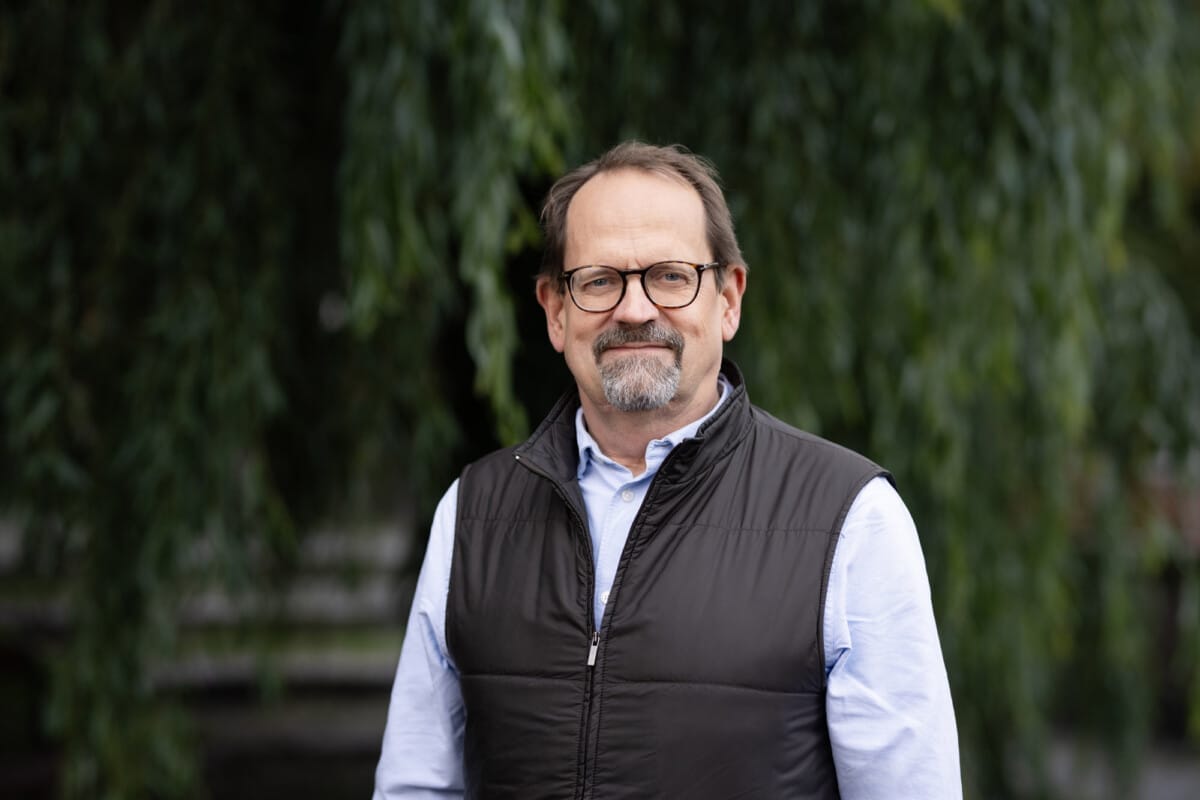
Peder Hasslev, Aletca, pressbild

Sweden’s largest pension fund, Alecta, has spent much of the last year continuing to work on improving governance, risk management, competence and culture in the wake of a $2 billion loss in 2023 attributable to investments in US regional banks, including Silicon Valley Bank, turning sour.

Alecta, Sweden’s biggest pension fund with 1.31 trillion Swedish kronor ($126 billion) of assets under management, has spent much of the last year continuing to work on improving governance, risk management, competence and culture.

It’s been essential, says chief executive Peder Hasslev, to rebuild damaged trust in the wake of the investor losing $2 billion in 2023 when its investment in US regional banks Silicon Valley Bank (SVB), Signature Bank and First Republic Bank turned sour. The fund also experienced losses from its investments in Scandinavian real estate company Heimstaden Bostad.

“We have worked intensively on developing and implementing improvement measures to strengthen Alecta,” said Hasslev who has been in the top job since September 1.

Alecta began investing in SVB in June 2019 and made its last investment in November 2022. The pension fund was the fourth largest shareholder in SVB.

In the immediate aftermath of the losses, Alecta fired its chief executive Magnus Billing and head of equities Liselott Ledin. This year it has continued to tighten governance following an April 2024 board meeting when four new board members were elected of which three are independent from the social partners. Alecta is a mutual fund, owned by the Confederation of Swedish Enterprise, Unionen, PTK, Sveriges Ingenjörer and Ledarna.

Sponsored Content

Alecta has also struggled to fill the position of chair on its board following the resignation of Ingrid Bonde in October 2023.

In January 2024, the committee proposed Lars Rohde but withdrew this due to a conflict of interest. Next up was Carina Åkerström, former CEO of Handelsbanken, but she resigned after just 11 days. Currently, Jan-Olof Jacke is chair of the board.

The Swedish Financial Supervisory Authority (FSA) opened an investigation into the bank losses in May 2023. A remit it then expanded to include the fund’s investments in indebted real estate company, Heimstaden Boden in which Alecta lost SEK 12.7 billion.

Preliminary findings of the FSA investigation released in July found that the company violated regulations. The FSA said it has notified Alecta of its observations from its investigations and the pension fund has been given until the 6 September to respond to the FSA.

“The fund has assisted the Financial Supervisory Authority with material and answers to ensure that the investigations can be carried out as thoroughly and efficiently as possible. At the end of June, we received an opinion letter with the Financial Supervisory Authority’s preliminary assessments. We are now working on going through it and formulating our response, in accordance with the usual process,” said Hasslev.

The pension fund returned 7.7 per cent in the first half of 2024 with the strongest performance from equities which returned 12.9 per cent in the period. Volatility in interest rates  and rising long-term interest rates in Europe and the USA had a negative effected alternative investments.

However, the fund said that the prospect of lower short-term interest rates in the future has improved the outlook for real estate.

The value of Alecta’s holdings in Heimstaden Bostad rose by 3.9 percent during the period and now amounts to SEK 39.2 billion.

Alecta’s operating costs for the interim period amounted to SEK 586 million, higher than the target of SEK 576 million. The higher outcome is mainly attributable to one-off costs related to the extraordinary events in 2023.

Leave a Comment

How CPP is evolving risk management for a faster, more interconnected world

How CPP is evolving risk management for a faster, more interconnected world

In an environment where multiple risks are emerging and their effects are compounding on the portfolio, CPP Investments' chief risk officer Priti Singh says the $572 billion fund is rethinking risk management from the ground up, shifting from reaction to preparation and embedding risk thinking earlier in investment decisions. She speaks to Amanda White about the fund's risk approach.

Sort content by

Panama’s sovereign fund mulls the future of digital assets

Abdiel Santiago, CEO and chief investment officer of the Fondo de Ahorro de Panama, Panama's $1.5 billion sovereign wealth fund, is one of many CIOs watching from the sidelines as digital asset markets develop.

Guardians of the Future: The evolution of New Zealand Super

New Zealand Super’s new chief executive Jo Townsend inherits an organisation with a strong culture but facing some challenges posed by rapid growth. An internal project aims to reduce complexity and focus on simplicity for a fund already rated by WTW as operating at global best practice levels.

Culture Club: CalPERS puts people first in talent reboot under new CIO

Only two months in and CalPERS' new CIO Stephen Gilmore has already made his mark, with plans to overhaul talent and culture in the investment office, meeting frequency and the number of strategic initiatives slashed and an increased focus on data and technology to improve efficiency and reduce risk.

Utah’s URS: Why fossil fuels and alt energy hold key to climate crisis

US public funds should stop wasting time on thinly veiled political activism, ditch ESG conferences and repurpose most of their sustainability staff, says URS’ CIO John Skjervem. Instead they should invest in proven energy investments and move from either/or to both/and which allows fossil fuels to jostle alongside alt energy.

Church Commissioners: Managing historic real assets for the future

The jewel in the crown of the Church Commissioners’ portfolio, the London-based asset manager for the historic assets of the Church of England, is its allocation to real assets, which contributes to returns used to support the work and specific needs of the church, alongside clergy pensions.

Why AP4 has decided to integrate Scope 3 emissions across equities

Swedish buffer fund AP4 has begun integrating Scope 3 into its systematic equity allocation, convinced a company's up and downstream emissions data signposts the green winners of the future.

Previous



