
UK corporate DB consolidation: TPT throws its hat in the ring

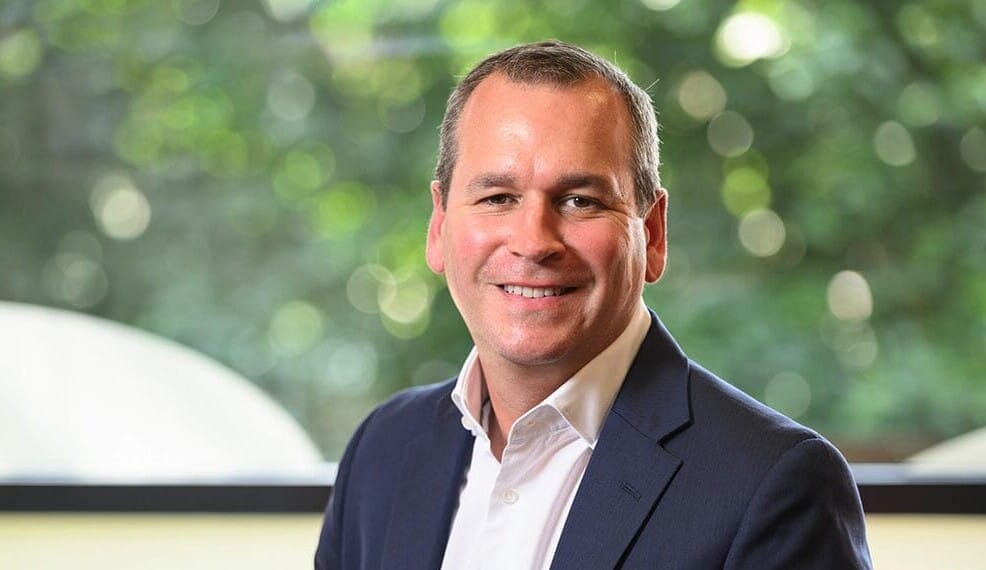
Nick Clapp

Trustees and employers overseeing the United Kingdom’s 5,000 corporate pension plans holding an estimated £1.2 trillion have another option to help manage the defined benefit assets.

TPT Retirement Solutions currently oversees around £11 billion in pension fund assets, and has launched a DB “superfund” that will invest on behalf of plans seeking to ‘run-on,’ UK pension industry parlance for well-funded schemes choosing to continue as they are, rather than opt for a so-called buy out, and sell to an insurance company.

TPT estimates assets under management in the new superfund could reach £3 billion in five years. Under its model, TPT would ultimately share investment profits with beneficiaries and would invest in growth assets, in line with the government’s ambitions to get pension funds to invest more in UK productive assets.

Currently, many of the UK’s DB funds, often in their end game as their corporate sponsor prepare to shift its liabilities off balance sheet, aren’t positioned to tie up assets in illiquid investments.

“There will be an emphasis on private markets and deploying capital in a manner that aligns with the UK government’s current thinking, we believe,” says Nicholas Clapp, chief commercial officer of TPT, speaking to Top1000funds.com. “Our structure means we will be able to have a long-term horizon and support illiquidity, and we will also be able to create an internal market from one client to another, and from one solution to another. This investment philosophy is already at the heart of what we want to do.”

He adds that the latest solution on offer from TPT reflects the organisation’s commitment to offer a range of consolidation options to the UK pension market.

Sponsored Content

“We believe this is another compelling option and will encourage UK pension funds to consider TPT as one of their consolidation options – we offer a different type of opportunity and skill set to deliver on behalf of DB pension schemes.”

Overtime, the superfund will achieve synergies and efficiencies by merging vintages of client DB funds”, Clapp continues. Schemes within the superfund will have access to seven different fund structures in a fund of fund vehicle enabling them to access numerous managers. From this they will be able to create an asset mix shaped by their maturity, risk appetite and investment objectives.

He says the fees will be specific to each deal, but notes TPT is experienced at running solutions that offer value for money and use scale to create operational efficiency. “We can do everything in house; we have the skill set, pipework and plumbing between different services like actuarial, administration and fiduciary management.”

TPT will submit its proposal to the pensions regulator for assessment in January. So far, only one other superfund, Clara Pensions, has passed regulatory scrutiny and Clapp believes the superfund market is large enough to accommodate different varieties of superfund, and not be homogenous. “When you look through the lens of risk, we present a different type of skills set to deliver DB pension schemes, and our track record speaks to itself.”

Still, he says that positive feedback has primarily come from consultants rather than corporate pension funds themselves.

Moreover, take up of superfunds by the DB pension community has been historically slow. The sharp rise in interest rates in 2022 improved the funding levels of many DB schemes and by 2024, many funds were close enough to 100 per cent funded to be sold to an insurer.

But TPT hopes it offers a compelling selling point. It will allow pension schemes in the superfund to use the surplus for member augmentations in an approach Clapp believes will be both “interesting and appealing” to a wide variety of funds.

However, this will only happen when TPT’s seed investor is repaid.

UK regulations require all DB funds entering the super fund are fully funded on a buy out basis whereby the pension scheme has enough assets to transfer all of its liabilities to an insurance company which then takes over paying members’ pensions. This meant TPT’s required finding a seed investor to take on the role of the sponsor, ensuring the pension funds are fully funded.

“Once our seed investor has earned their investment back, members should get the majority of the surplus,” he concludes. “Our strategy allows members to enhance benefits more than they would normally which will be an alternative to consider for ceding sponsors and trustees.”

Leave a Comment

Why NYC pensions CIO hasn’t drunk the ‘TPA Kool-Aid’

Why NYC pensions CIO hasn’t drunk the ‘TPA Kool-Aid’

Three decades of investing have given Monte Tarbox sharp eyes for recognising risk and opportunities, and he’s putting it to use as the new permanent chief investment officer of the $306 billion NYC Bureau of Asset Management. In an interview with Top1000funds.com, Tarbox outlines his vision for the fund, why he’s bullish on infrastructure but “nervous” on PE, and why he hasn’t drunk the TPA “Kool-Aid”.

Sort content by

Why disclosure and communication are key to pension excellence

Comprehensive, holistic value disclosures and compelling communication are key benchmarks for pension funds. This has been confirmed by the first year experience working with leading global pension funds for the Global Pension Transparency Benchmark, a collaboration between Top1000funds.com and CEM Benchmarking. In year two, in recognition of this belief and communication excellence, we have decided to award bonus points to funds preparing Framework integrated annual reports. Mike Heale looks at four examples of pension funds already using the Framework.

CalPERS’ new asset allocation to take on more risk

The largest pension fund in the United States, the $469 billion CalPERS, is in the middle of an asset liability modelling exercise to set a new asset allocation by June 2022. Chief executive Marcie Frost says it’s the most significant decision the board makes with regard to the investment portfolio and that achieving a return target of 6.8 per will require “pushing everyone’s risk appetite”.

APG positions for a digital future

APG, the biggest pension provider in Europe, is positioning itself as a digital pioneer with investment in the large-scale use of data, workflow automation and digital analytical platforms. A leader in funds management, most notably sustainability, it is once again a frontrunner by embracing technology.

CFA’s DEI code could be revolutionary

The CFA Institute’s Diversity Equity and Inclusion Code could result in a fundamental review of practices in some asset owners and managers according to Sarah Maynard, global head of external inclusion and diversity strategies and programs at the institute.

Stephen Kotkin: Why greenwashing is pervasive

Greenwashing is pervasive and it's no mystery why, according to Professor Stephen Kotkin, who says governments continue to sign on to mandates they cannot meet, and investors pledge commitments they cannot redeem, creating a lucrative industry in greenwashing.

ADIA infrastructure focuses on renewables, digital

ADIA is increasing its focus on renewables and digital infrastructure as its infrastructure investments mature and a more sector-led strategy is introduced into the planning process according to Karim Mourad, global head of infrastructure at ADIA.

Previous



