
Iceland’s LV battens down for AI and ESG-linked volatility ahead

In recent years, Iceland’s Lifeyrissjodur Verzlunarmanna, LV, has significantly boosted the passive allocation in its global equity portfolio.

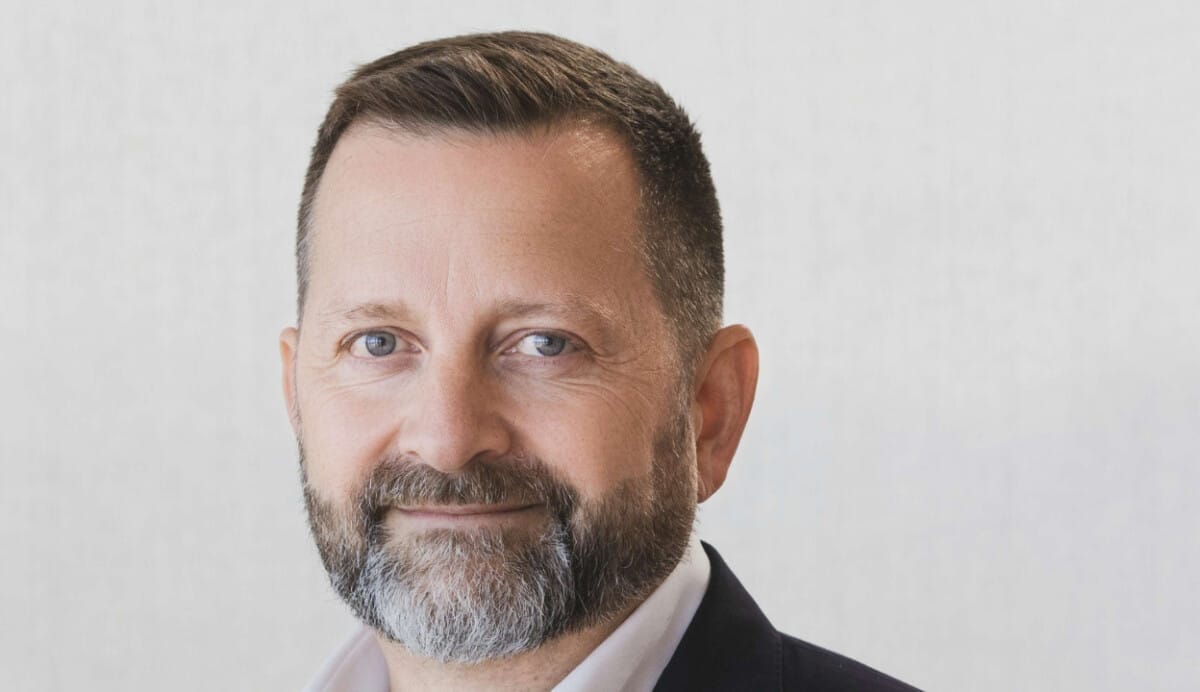
The strategy, explains CIO Arne Vagn Olsen in an interview with Top1000Funds from the fund’s wintry headquarters, just south of Reykjavík, is a consequence of successful fee negotiations with the likes of index managers BlackRock, Vanguard and StateStreet and deciding to drop active managers because they struggled to outperform. Almost 80 per cent of the global equity allocation is now passive.

“Given the size of the fund and the size of our mandates, we have been able to negotiate and reduce equity management fees to a level we feel comfortable with. Our growing fund size and the increase in overseas investment has given us leverage in fee negotiations.”

LV is certainly growing. The €8 billion pension fund, still open and a hybrid of DC and DB is Iceland’s second largest; it was set up in 1956 and with 180,000 members (around half of the population) will be the largest pension fund in the country in the next decade.

Moreover, LV’s global allocation (45 per cent of AUM to global public and private markets) is significantly larger than peer funds which typically allocate around 35 per cent of their assets outside Iceland.

“The combined assets of Iceland’s pension sector is twice the size of Iceland’s GDP so it’s important for us to invest outside of Iceland to reduce systematic risk in our portfolio,” he explains.

Sponsored Content

Increasing fixed income

Olsen is also planning to increase the allocation to overseas fixed income, currently around 5 per cent of total assets. The strategy is being driven by forecast increases in volatility over the coming years because of inflation uncertainty and the impact of AI and ESG as well as higher bond yields, he says.

“Nobody really understands the impact of ESG legislation on markets,” he warns.

The boosted allocation is likely to be actively managed and focused on investment grade developed markets, but he also plans to add a high yield allocation and other instruments outside typical investment grade. “We are in the process of analysing and simulating the potential impact on the portfolio from a risk and return perspective. Nothing is decided yet.”

Although it will most likely be actively  managed, he plans to tap the same fee benefits in fixed income as he has in equity. “We don’t have the same amount of leverage to put pressure on our managers in fixed income. But part of the allocation shift will include fee negotiations and our aim is to try and get the same results as we have in equity.”

Managing inflation risk

One of Olsen’s biggest challenges is navigating Iceland’s inflation, currently running at 8 per cent. Although the fund invests in inflation-linked assets (around 35 per cent of the portfolio is inflation-linked whereby the value of the investment rises with inflation) it is unable to hedge inflation risk in its liabilities – beneficiary payments are pegged to inflation and have risen exponentially.

“Our liabilities are growing with inflation and the risk is that we may have to cut benefits if our assets can no longer cover our liabilities. Our ability to neutralise this risk is limited because we don’t have the tools.”

In contrast to the United Kingdom’s BTPS or Denmark’s ATP, LV can’t use derivatives to hedge its liabilities because its size dwarfs the market capitalization of Iceland’s banks, creating too much counterparty risk on the other side of any swap.

“We wouldn’t feel comfortable taking counterparty risk with a local bank to hedge all our liabilities,” he says, observing that ever since Iceland’s banking crisis in 2008 and the sweeping regulation in its aftermath, the banking sector has curtailed business abroad and has much stricter rules around reserves. In contrast, the country’s pension industry is growing, and increasingly international.

One solution could be investing more in inflation linked infrastructure opportunities in Iceland. However, this would require policy makers providing more support to encourage investors into the space.

In other changes, Olsen is considering using more of LV’s tactical asset allocation to ensure the investor is nimble and takes advantage of opportunities. “Tactical asset management will be more important than it used to be,” he predicts. Around 5-10 per cent of the portfolio is currently managed tactically.

LV has also rewritten its rules around rebalancing.

“If you don’t rebalance regularly, it’s not really a strategic asset allocation,” he says. “We will rebalance more regularly, but it will also come down to volatility. We need to be prepared to change our decision around our allocations if the market conditions change and we do believe we are heading into unchartered territory in the coming years.”


Leave a Comment

The Austin advantage: Texas Teachers talks optimism, innovation and growth

The Austin advantage: Texas Teachers talks optimism, innovation and growth

Jase Auby, TRS's celebrated CIO, explains why TPA doesn't fit with its culture; why community push back on data centres could turn out to be an investor advantage, and argues the case for continuing to invest in fossil fuels. Top1000funds.com sat down with the CIO in his Austin office for an all-encompassing conversation.

Sort content by

PMT builds out its ESG screening and engagement program

PMT, the Dutch fund for metal and technical workers, has just increased the screens guarding its equity and bond allocations from ESG laggards. It is also increasing its engagement with companies to try and build climate awareness.

How technology is enabling better investments

Asset owners are increasingly looking to technology to more effectively manage complex multi-asset portfolios, enhance returns and better inform risk management decisions. Top1000funds.com looks at how technology is being used by asset owners including LACERA and REST, and the insights of BCIMCo's chief technology officer, Tony Payne.

TRS rethinks proxy benchmarks on climate

Texas Teachers has kicked back against its proxy advisor ratcheting up voting powers on companies subject to its benchmark policy climate provisions. Rather than blindly follow climate voting advice, TRS will introduce a customised benchmark to give it freedom to vote in accordance with the pension fund’s "best economic interests".

Kotkin warns of Ukraine break up as key geopolitical risk

It is not war between Russia and Ukraine that investors should be concerned about, according to Professor Stephen Kotkin, but the destabilising effects of Russia’s actions that could impact globalisation and harm the west. Watch this video interview with Princeton University's geopolitical expert.

CalSTRS’ cautious outlook

CalSTRS' long-time CIO, Chris Ailman, is cautious about the outlook for markets with his "spider senses" working over time trying to understand the hidden risks in the economy. He told Amanda White the fund will focus the year on allocating to diversifying strategies and climate solutions.

Internalisation drives value added for large funds

Size matters in institutional investing, but how exactly does it result in better returns? Research by CEM Benchmarking shows large, internalised, active investors produce more net value added than small, externalised, passive investors. Internalising private markets is a significant predictor of value add.

Previous



