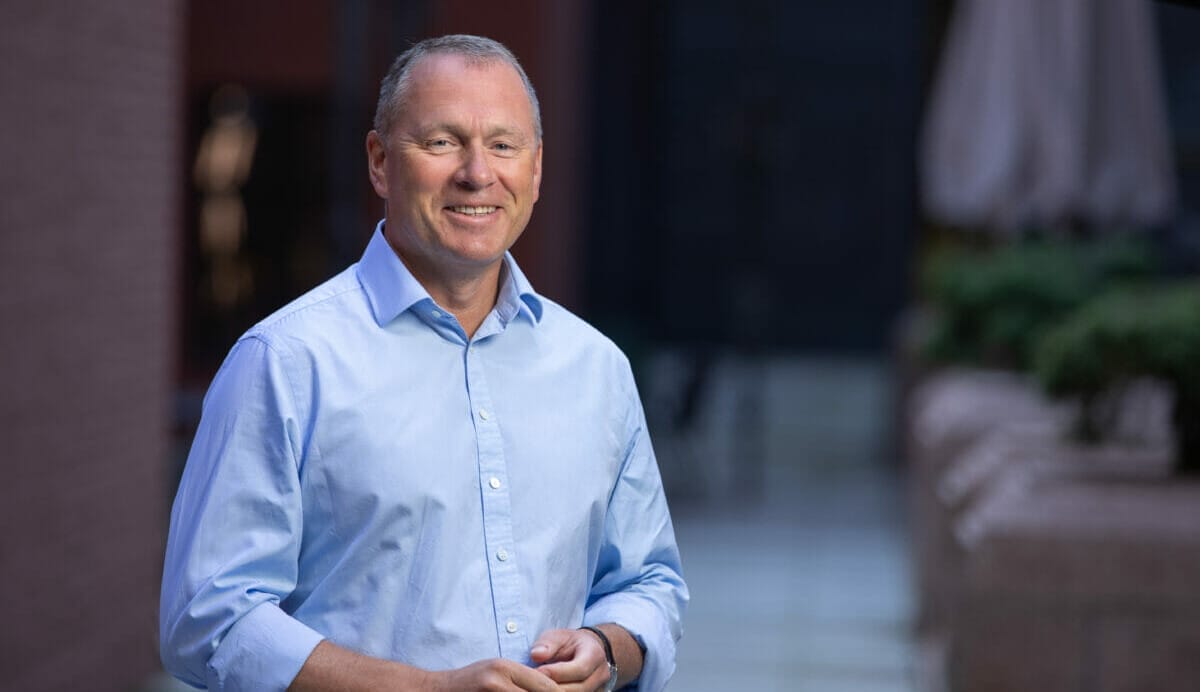
An announcement from the editor

Today marks a new chapter for our publication.

For nearly two decades, we’ve provided independent, in-depth journalism on how the world’s largest institutional investors construct portfolios, make allocations and navigate an increasingly complex investment landscape.

We’ve published more than 5,000 stories, connecting you with the thinking, strategies and peers shaping the global investment industry.

That commitment isn’t changing. But from today, access to our journalism will require you to be logged in.

This change helps us protect our original reporting from AI crawling and unauthorised republication, while ensuring we can continue investing in the depth, rigour and specialist journalism you expect from Top1000funds.com.

Registration is simple. Once your account is activated and you’re logged in, you can continue accessing the site as usual.

Sponsored Content

Thank you, sincerely, for your ongoing support. And if you have any feedback or ideas for how we can improve, please feel free to get in touch.

For more context on the change, and why we believe it’s important, watch my short video above.

Continue Reading

A Top1000funds.com subscription unlocks the full article

Join the global institutional investment platform read by the world's largest asset owners, fund managers and consultants.

New here

Create an account

Complimentary to register. We'll verify your details and grant access to the archive, our newsletters and the Asset Owner Directory (enhanced features coming soon).
Register now
Already a member

Sign in

Already activated your account? Sign in to continue reading and access your saved articles, preferences and member-only content.

Leave a Comment

Could Norway’s SWF really disappear?

Could Norway’s SWF really disappear?

Rising geopolitical risks and an AI correction could severely impact the value of the $2.2 trillion Norwegian sovereign fund, according to its chief executive Nicolai Tangen, who went so far as to say the fund could "disappear." The warning is a stark one for the world's largest sovereign wealth fund, whose 70 per cent equity allocation leaves it heavily exposed to any sharp correction in global and particularly US tech markets.

Sort content by

APFC mulls self evaluation and more board members in governance revamp

In a recent board meeting, trustees at APFC heard from governance experts on the importance of self evaluation; why rules around trustee contact with investment staff are important and how more board members could support oversight at the sovereign wealth fund.

PFZW nails down costs; economies of scale pay off

Dutch fund PFZW manages to keep a lid on costs which fell to 0.42 per cent of invested capital last year, comfortably below its target of no more than 0.50 per cent of assets. Economies of scale pay off despite private markets accounting for well over three quarters of total.

What does it take to succeed at scale?

As the Australian superannuation funds evolve and get bigger they face a question of whether to copy the organisational structures of their bigger, more sophisticated Canadian counterparts, or find their own way that more adequately befits some of their unique features and better serves members.

Fixed income and active equity pay off at Brazil’s FUNCEF

Switching out of equities into fixed income last year has helped swell returns at Brazil’s Fundação dos Economiários Federais, FUNCEF. Other return-boosting strategies included active equity investment.

Total portfolio management pays off at LPPI

The Local Pension Partnership pooled fund has saved £113 million in costs since inception. But the real benefit, according to chief executive Chris Rule, is the governance structure which allows the outsourced provider to manage the total portfolio. He spoke to Amanda White about the power of total portfolio management.

Food for thought: Investing in global food production

The inevitable move to more modern food production will create investment opportunities as the food industry moves to revolutionise but also reduce its own environmental impact. PGIM thematic research group director Jakob Wilhelmus outlines the risks and opportunities inherent in this mega theme.

Previous