An announcement from the editor

Today marks a new chapter for our publication.

For nearly two decades, we’ve provided independent, in-depth journalism on how the world’s largest institutional investors construct portfolios, make allocations and navigate an increasingly complex investment landscape.

We’ve published more than 5,000 stories, connecting you with the thinking, strategies and peers shaping the global investment industry.

That commitment isn’t changing. But from today, access to our journalism will require you to be logged in.

This change helps us protect our original reporting from AI crawling and unauthorised republication, while ensuring we can continue investing in the depth, rigour and specialist journalism you expect from Top1000funds.com.

Registration is simple. Once your account is activated and you’re logged in, you can continue accessing the site as usual.

Sponsored Content

Thank you, sincerely, for your ongoing support. And if you have any feedback or ideas for how we can improve, please feel free to get in touch.

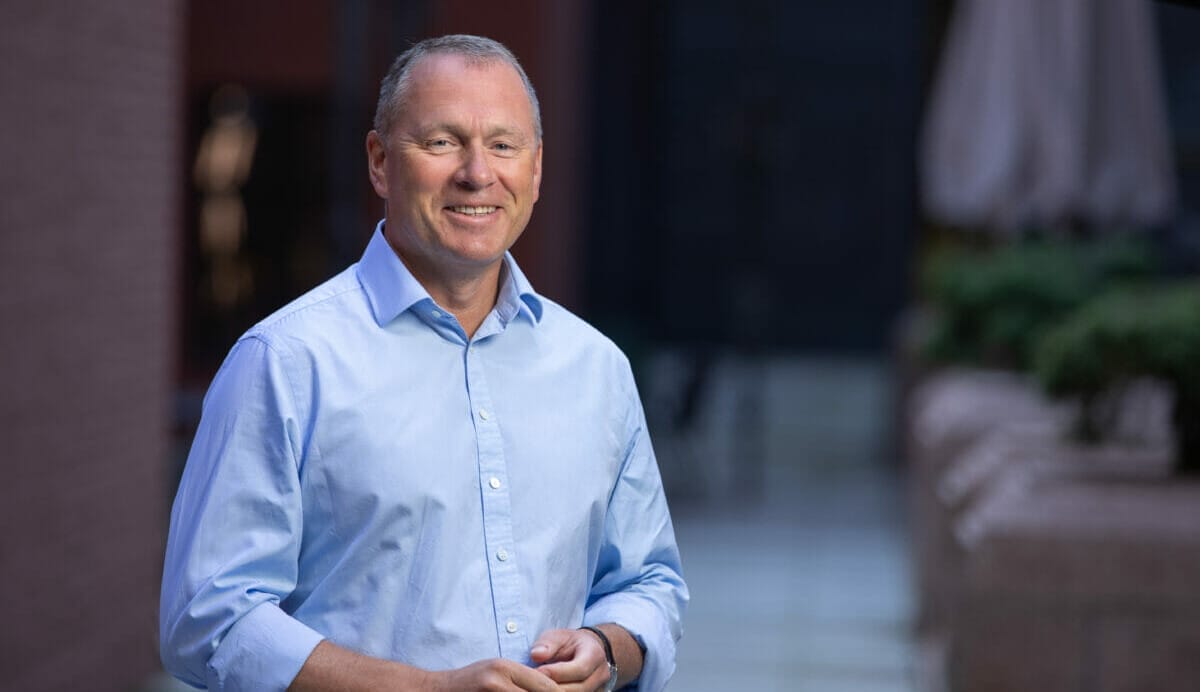
For more context on the change, and why we believe it’s important, watch my short video above.

Continue Reading

A Top1000funds.com subscription unlocks the full article

Join the global institutional investment platform read by the world's largest asset owners, fund managers and consultants.

New here

Create an account

Complimentary to register. We'll verify your details and grant access to the archive, our newsletters and the Asset Owner Directory (enhanced features coming soon).
Register now
Already a member

Sign in

Already activated your account? Sign in to continue reading and access your saved articles, preferences and member-only content.

Leave a Comment

Could Norway’s SWF really disappear?

Could Norway’s SWF really disappear?

Rising geopolitical risks and an AI correction could severely impact the value of the $2.2 trillion Norwegian sovereign fund, according to its chief executive Nicolai Tangen, who went so far as to say the fund could "disappear." The warning is a stark one for the world's largest sovereign wealth fund, whose 70 per cent equity allocation leaves it heavily exposed to any sharp correction in global and particularly US tech markets.

Sort content by

Kosovo’s new wealth fund offers development model for eastern Europe

Kosovo, a small country in south-eastern Europe that emerged as an independent state after the Balkan conflict, plans to create a sovereign development fund, the first of its kind in the region.

Fearless girl: Is finance making progress?

Visible positioning on the inclusion of women in financial services is now the norm. But the number of women who are CFA Institute members globally – often seen as a proxy for the industry – is just 19 per cent. So, what else can be done to further improve diversity?

Montreal’s TCC: When a different world view pays off

Montreal-based Trans Canada Capital fuses its pension fund roots with the ethos of a relative value hedge fund for a unique investment approach that hunts uncorrelated alpha across the entire portfolio. Sarah Rundell speaks to two senior portfolio managers about their unique approach.

The problem with UK government pressure on pension funds to diversify

UK politicians are urging the country's pension funds to invest less in Gilts and more in riskier and complex assets including young UK companies, and infrastructure. Railpen's John Greaves, head of investment strategy and research explains the various problems with the plan.

SWIB talks active equity as a Best Ideas portfolio takes off

Susan Schmidt, head of public equities at SWIB, talks about the fund's new Best Ideas portfolio. Despite technology's reach and market efficiencies, there is still ample room for a fundamental approach where human skill and a unique investment culture find mispriced opportunities.

As Japan’s GPIF builds out PE, new research flags measurement method

For investors struggling to develop better ways to measure private equity fund performance, researchers at the giant Japanese fund, GPIF, suggest an alternative measurement model that compares private and public assets more accurately.

Previous