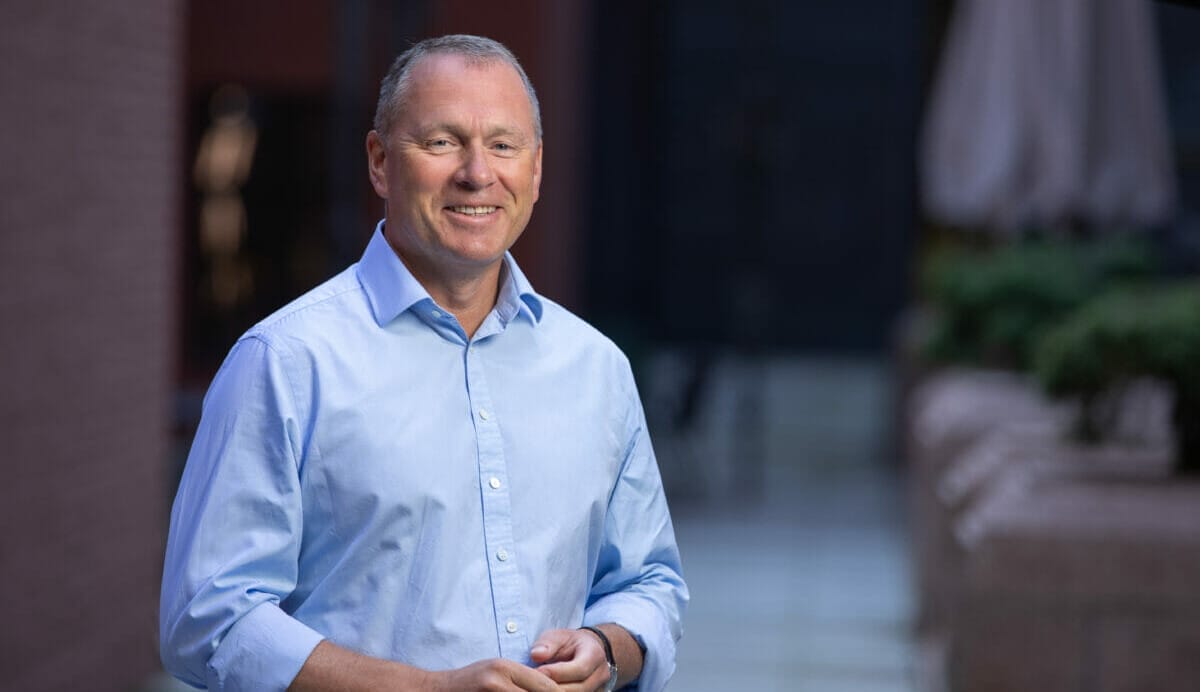
An announcement from the editor

Today marks a new chapter for our publication.

For nearly two decades, we’ve provided independent, in-depth journalism on how the world’s largest institutional investors construct portfolios, make allocations and navigate an increasingly complex investment landscape.

We’ve published more than 5,000 stories, connecting you with the thinking, strategies and peers shaping the global investment industry.

That commitment isn’t changing. But from today, access to our journalism will require you to be logged in.

This change helps us protect our original reporting from AI crawling and unauthorised republication, while ensuring we can continue investing in the depth, rigour and specialist journalism you expect from Top1000funds.com.

Registration is simple. Once your account is activated and you’re logged in, you can continue accessing the site as usual.

Sponsored Content

Thank you, sincerely, for your ongoing support. And if you have any feedback or ideas for how we can improve, please feel free to get in touch.

For more context on the change, and why we believe it’s important, watch my short video above.

Continue Reading

A Top1000funds.com subscription unlocks the full article

Join the global institutional investment platform read by the world's largest asset owners, fund managers and consultants.

New here

Create an account

Complimentary to register. We'll verify your details and grant access to the archive, our newsletters and the Asset Owner Directory (enhanced features coming soon).
Register now
Already a member

Sign in

Already activated your account? Sign in to continue reading and access your saved articles, preferences and member-only content.

Leave a Comment

Could Norway’s SWF really disappear?

Could Norway’s SWF really disappear?

Rising geopolitical risks and an AI correction could severely impact the value of the $2.2 trillion Norwegian sovereign fund, according to its chief executive Nicolai Tangen, who went so far as to say the fund could "disappear." The warning is a stark one for the world's largest sovereign wealth fund, whose 70 per cent equity allocation leaves it heavily exposed to any sharp correction in global and particularly US tech markets.

Sort content by

Finland’s VER charts interest rate impact on risk premiums

Now that interest rates have risen by 2-3 percentage points, the key question is whether this rise in rates will be directly reflected in improved overall returns or whether risk premiums will be lower than before. VER's Timo Löyttyniemi explains.

Spotlight turns on West Yorkshire’s hybrid approach to pooling

The UK government has just closed a consultation on LGPS pooling progress and processes that will shine a spotlight on £18 West Yorkshire pension fund's hybrid approach. Championing local investment and regional financial expertise may not be enough to offset pressure to step up pooling.

UK trustees should challenge advisors but government needs to lead change

UK trustees need to do more to hold advisors to account, says MNOPF trustee Rory Murphy who argues consolidation of the country's pension assets and more investment in alternatives will require a transformation of how the entire sector is managed.

Why Textron isn’t investing in private credit

Renowned contrarian investor Charles Van Vleet, CIO of the $10 billion corporate pension fund for US aerospace and defence giant Textron explains why he favours private equity over private credit.

IPERS’ three-pronged approach to active risk: Portable alpha, TAA and ARP

CIO of Iowa Public Employees Retirement System, Siriam Lakshminarayanan, explains its approach to active risk and why portable alpha, alternative risk premium, and tactical asset allocation make a good, three-pronged strategy.

France’s ERAFP builds out private credit after lengthy manager selection

France's ERAFP has just boosted its allocation to private credit after a lengthy manager selection process, renewing and building out existing mandates in a €8 billion allocation begun in 2009.

Previous