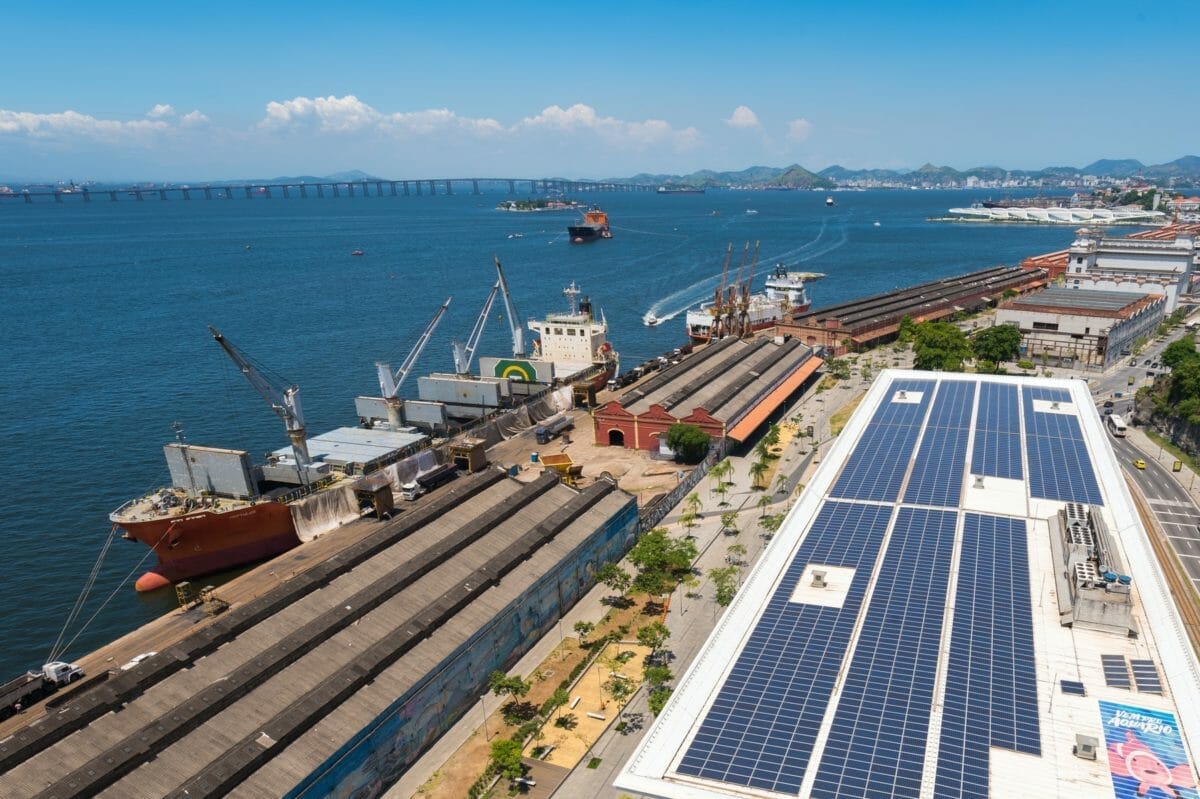
Financing Clean Energy Transitions in Emerging and Developing Economies

This special report aims to address the challenge of mobilising investment and finance to support clean energy transitions in the emerging and developing world. This is based on detailed analysis of successful projects and initiatives, including almost 50 real-world case studies – across clean power, efficiency and electrification, as well as transitions for fuels and emissions-intensive sectors – in countries ranging from Brazil to Indonesia and from Senegal to Bangladesh.

The priorities focus on financing sectors that are market-ready, based on technologies at mature and early adoption stages, such as renewables and efficiency. They also examine options for financing transitions in fuels and emissions-intensive sectors where decisions taken over the next decade can lay the groundwork for the integration of new technologies – or could potentially lock in emissions for decades to come. We focus on actions that need to be taken between now and 2030 – a pivotal decade for economic recovery, for the realisation of the UN Sustainable Development Goals and for climate action.

Click here to read the full report

Click here for executive summary

Sponsored Content

Leave a Comment

America’s net zero opportunity

America’s net zero opportunity

Research from Princeton University plots a Blueprint for how the US can achieve net zero emissions in the next decade showing the key is overcoming execution challenges including the infrastructure deployment and the mobilisation of capital and labour.

Sort content by

CalSTRS outperforms in every asset class

CalSTRS outperformed its custom benchmark in every single asset class  to deliver a historic fund performance of 27.2 per cent for the year. Amanda White spoke to CIO, Chris Ailman.

PRI signatories outperform non-signatories

Asset owners that are PRI signatories had higher returns and lower costs than non-PRI signatories over a five-year period according to analysis by CEM Benchmarking.

Energy opportunities dry up at TRS

The $160 billion Teacher Retirement System of Texas (TRS) has a long and celebrated prowess when it comes to investing in energy yet enduring underperformance in the asset class was a key focus during a recent board meeting.

Legal report gives impact investors confidence

A review of the legal barriers to investing for sustainability impact in 11 jurisdictions gives confidence to investors wanting to re-think old investment paradigms and include impact alongside risk and return.

TCFD disclosures are not hitting the mark

G7 nations have endorsed mandatory climate-related financial disclosures based TCFD framework recommendations, but a survey of Canadian investors found the TCFD disclosures are less insightful than most had anticipated.

Norges Bank examines impact of climate on asset prices

New research by Norges Bank, which manages the assets of the $1.39 trillion Norwegian sovereign wealth fund, examines how the increased focus on ESG issue can affect asset prices.

Previous




