


Two asset owners explain how working with asset managers is central to reaching their net zero targets.
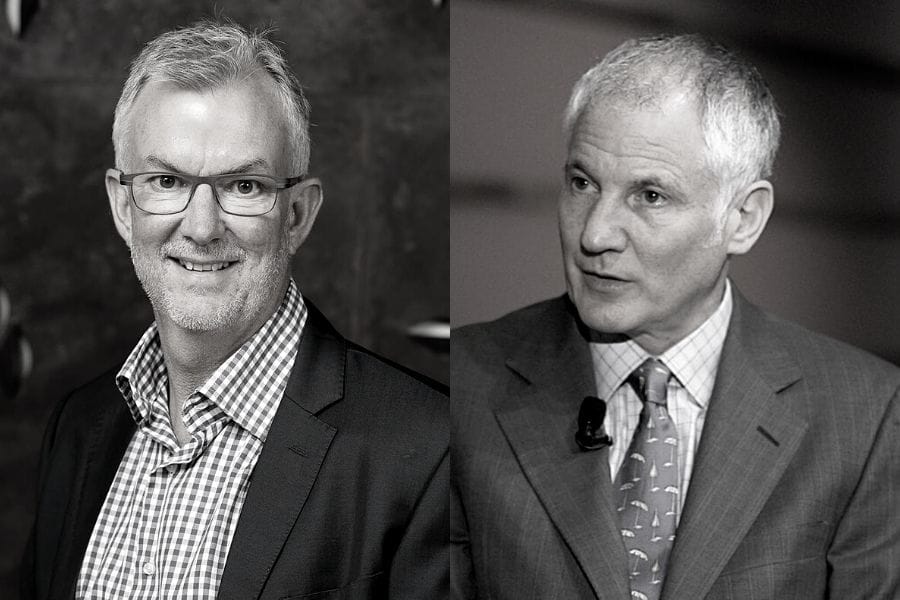
Climate change is not only perceived as the biggest risk to the $65 million David Rockefeller Fund, it is also a potential source of opportunity to lean into, said Nili Gilbert, investment committee chair of the David Rockefeller Fund which supports non-profit groups working in the environment, criminal justice and the arts.
Speaking at an ‘Investor Agenda’ webinar hosted by the PRI, UNEP-FI and CDP on how investors can climb the ladder to net zero Gilbert, who focuses on the fund’s relationships with its investment consultants, manager selection and overall asset allocation, said tackling climate change has a double materiality given the foundation also makes grants in the climate space.
Motivated by its fiduciary duty, the fund which was founded in 1989 and separate from the $5 billion foundation, published net zero targets for the first time this year. It also committed to decarbonise the portfolio by 25 per cent by 2025 in alignment with government goals of net zero emissions by 2050 under the Paris Agreement.
In addition, the fund plans to invest 10 per cent of the portfolio in investments to finance the transition in the next five years.
“The biggest risk is the world missing the mark on climate change,” said Gilbert. “This is why we’ve put the investment of the endowment at the centre of our climate strategy.”
The fund’s decarbonisation strategy comprises engagement with portfolio companies and sectors, engagement with external asset mangers and policymakers, and collaboration with peers in the Net Zero Asset Owner Alliance which it joined last year.
Gilbert also advised webinar attendees on the importance of not just tinkering with integrating net zero but focusing on engaging with companies and sectors in the real economy. Rockefeller embarked on a huge engagement program with its asset managers to drive integration working alongside its investment consultants.
Jake Barnett, director, sustainable investment services at Wespath Institutional Investments (WII) explained how his focus is also on engaging with asset managers. WII, a not-for-profit subsidiary of Wespath Benefits and Investments (WBI) which together manage $28 billion in assets rooted in the principles of the United Methodist Church, is also targeting net zero in the portfolio by 2025.
Asset managers are often better positioned to take on stewardship roles with portfolio companies; they have larger holdings and make the buy sell decisions and also have more capacity and resources when it comes to stewardship, he said.
“We are direct clients of asset managers and should lean into this,” he said.
This year Wespath asked its asset manager cohort to answer how they would support the organisation in its net zero goals to ensure alignment.
Elsewhere, collaborative engagement is increasingly incorporated into the asset owner’s selection of managers, said Barnett.
“This is a market signal you should pay attention to,” he advised managers.
Board buy-in
The conversation also centred on how best to build a case for change within an organisation. Bringing an organisation’s leadership and governance arms together around net zero targets is one of the most challenging elements of a net zero strategy.
“Our commitment emanated from board and executive level,” said Gilbert explaining that this built energy for change across the organization that has been crucial for success.
Another component of success is working with other asset owners, she said. Large US pension funds also on the road to net zero presented to the fund’s own investment committee. These conversations led to the committee making a formal recommendation to the board on net zero commitments.
First steps
Amongst the proliferation of initiatives helping investors reach net zero emissions in their portfolio, the Investor Climate Action Plans (ICAPs) Expectations Ladder stands out, offering comprehensive guidance towards achieving a net-zero carbon economy by 2050.
The ladder defines opportunities for investor action on climate across four interlocking areas – investment strategy, corporate engagement, policy advocacy and investor disclosure and governance.
The ICAPs approach helps investors no matter where they are in their journey to better integrate climate change risks and opportunities into their investment process, and climb up the ladder to net-zero, explained Rahnuma Chowdhury, investor climate action lead at UNEP FI.
She concluded that the tier process is also meant to be inclusive, regardless of where individual investors are on their net zero path. It allows investors to see where they sit on the ladder and how to scale up their ambition, she said.







Leave a Comment
You must be logged in to post a comment.
Login