
Navigating the ESG labyrinth

Robeco has long believed in sustainable investing and in the 1990s was one of the first asset managers to take it seriously. From small beginnings, the integration of environmental, social and governance (ESG) factors in the investment process has grown exponentially over the past two decades. We embrace it wholly, integrating ESG criteria into the investment process for our entire range of fundamental equities, fixed income, quantitative and bespoke sustainability strategies. And it is not just us: over half of all asset managers in Europe now use sustainable investing in one form or another, according to the Global Sustainable Investment Alliance.

A fiduciary duty to make money for stakeholders now means that ignoring ESG is more likely to cost you performance than enhance it. It is our firm belief that integrating ESG will also lead to better-informed investment decisions and reduce the overall risk of a portfolio. Trends such as climate change, resource scarcity and greater regulation affect companies more than ever before, but they also provide opportunities for new markets in areas such as renewable energy or cybersecurity. So, it pays to be well informed about how sustainable investing works, and what it can do for clients.

For Robeco, this means more than just offering sustainable investment funds. Integrated sustainability also means using our position as a shareholder or bondholder to effect change at companies through active ownership, typically through voting and engagement. It also includes impact investing, where an investment is aimed at achieving a social purpose such as meeting one of the UN’s Sustainable Development Goals (SDGs) as well as earning a financial return. And it still means adopting key exclusions, such as refusing to buy shares in controversial weapons makers or tobacco producers. We think of these as building blocks to be configured appropriately to suit each asset class, strategy or client.

As the world moves on, sustainable investing now means combining both healthy returns and a positive effect on the world around us; to create wealth and well-being that meets the needs of the present generation without compromising those of generations to come.

In this handy guide, we share the knowledge and experience we have gained from decades of sustainable investing. After detailing the main approaches, we examine how sustainability techniques are applied across asset classes. And we highlight key questions to consider when you are assessing the ability of asset managers to deliver what is increasingly a mainstream style.

Click here to read the full paper. 

Sponsored Content

Leave a Comment

China ESG risk: the next unknown

China ESG risk: the next unknown

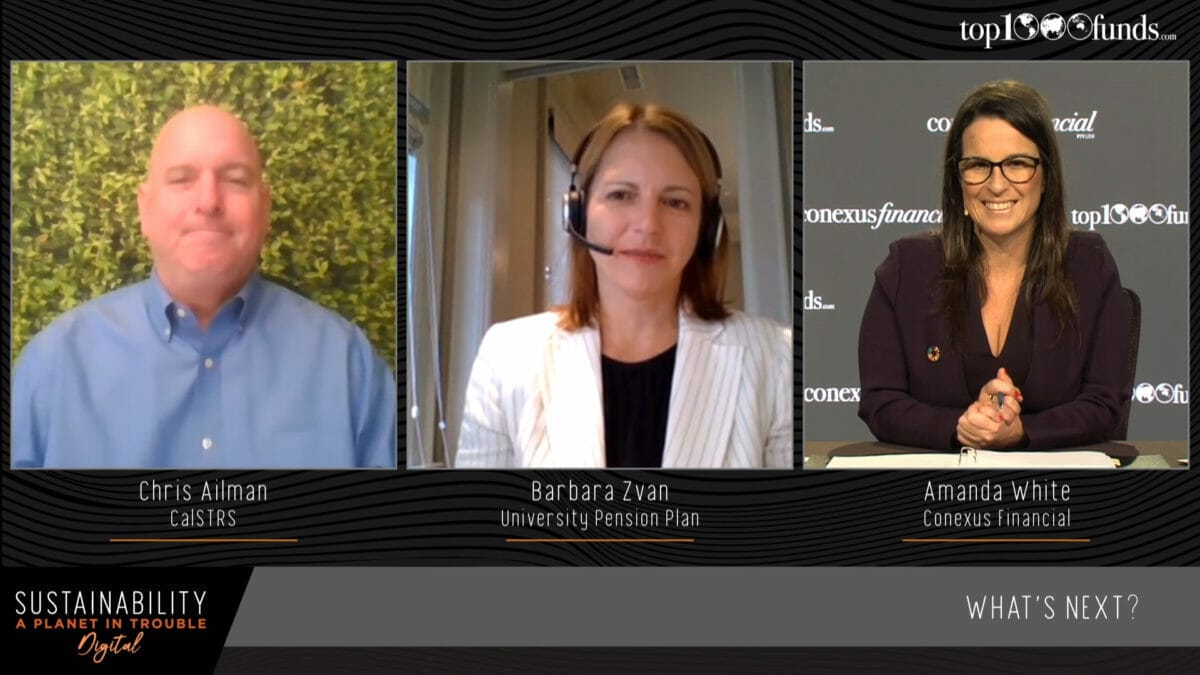
One of the most important, upcoming challenges at CalSTRS is how the fund should evaluate Chinese investments from a human capital and environmental standpoint, says Chris Ailman, chief investment officer at the giant pension fund.

Sort content by

Investor case studies

This session looks at case studies of investors who have integrated sustainability practices into their investment decision making and portfolio construction, their outlook for the next five to 10 years, and what they think ESG 2.0 will look like in their portfolios.

Responsible investing

This session will examine the importance of impactful stewardship to deliver sustainable wealth creation and its potential to transform financial, social and environmental outcomes.

Investor action on climate change

This session will look at the the importance of net zero 2050 and the opportunity for a turning point post COVID-19.

COP26 – What to expect

This session looks at the areas of focus for the meeting and how within the short term focus of this COVID-19 crisis we can mobilise government, business and investors into action around the important issue of climate change.

The need for a price on carbon

This session looks at the expected sustainability policies in 2021 and the important role of a price on carbon as part of that.

Green stimulus and building back better

This session looks at green stimulus measures and the ingredients of success that will generate economic growth, create jobs and bring about environmental benefits.

Previous