
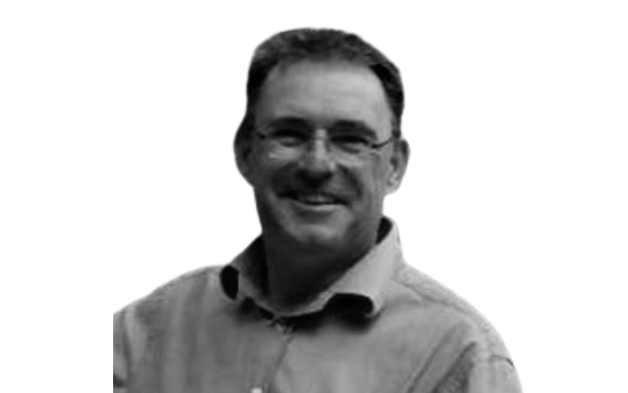

There are eight million different species on the planet, of which one million are threatened with extinction. “We have seen a catastrophic loss of species in the last 50 years” said Mike Maunder, executive director, Cambridge Conservation Initiative representing ten organizations including global NGOs and specialist conservation groups working to explore the role of society, business and investors in securing a biodiverse future.
Much of the planet’s biodiversity (the sum of all living things on the planet and their interactions) is still unknown – scientists are still exploring fungal and bacterial realms of life.
Speaking at Sustainability in Practice at Cambridge University, Maunder said it is possible to halt biodiversity loss in our response to climate change, restoring landscapes and seascapes. “We know how to rebuild nature,” he said. He also noted how biodiversity literacy in the finance and business world is poor: the fog comes down and the conversation gets stuck.
Smell the coffee
He noted how domestication of biodiversity needs to carry on. But he warned that the crops that serve us today won’t be the crops of the future; food chains are going to change. Coffee’s path from the wilds of Ethiopia to domestication via the Middle East and Europe is a powerful story of crop domestication. “Modern coffee can be traced to five plants. There is a tiny genetic base for one of world’s greatest crops,” he said.
Yet today, coffee faces risks from diseases, climate change and soil quality. Pollination of coffee crops is also threatened by increased night temperatures. “It is a fragile environment,” he warned. He said the decline in soil health, the loss of pollinators and invertebrates and the wider loss of genetic diversity removes our response to climate change via breeding alternatives. “We need to go back to those wild relatives,” he said.
The impact of biodiversity loss in developed countries is different to poorer nations. Here it impacts where farmers can craze their cattle, or if people can catch fish to feed their family. He noted how 70 per cent of world food production comes from vulnerable small farmers warning that if they struggle to produce food, it will threaten global security. Biodiversity loss causes migration away from degraded land, leading to migration and all the accompanying misery.
Soil
Maunder said that one third of agricultural land is losing its topsoil and degrading, prevalent in Europe and North America’s wheat producing lands. “We need to look at the future of soil when we are thinking of food,” he said. He blamed carbon-rich fertilizers and said once soil health is restored, and organic matter builds back, the need for inputs declines. He stressed the importance of stopping agricultural advancement into new pristine landscapes and urged for the end of the incentives that make food production harmful for biodiversity.
Maunder said that tools do exist to halt the loss. A red list reveals where business activity imposes most losses on nature; he said businesses already know how to build sustainable supply chains. He said biodiversity can be rebuilt in the circular economy, with investment targeting natural regeneration and future proofing business.
Investors should look at a company’s entire activity and identify the risk and dependencies linked to nature. Once investors begin this mapping exercise, they can turn the relationship around.
Pandemic
He also noted that the risk of another pandemic is high because human health is closely intertwined with our environment. “We are very vulnerable to animal disease,” he said. “Covid was not a one off, there are a swarm of potential infections.” He said the risk of disease was another argument for halting forest loss and noted the growign number of diseases in domesticated crops like oranges and bananas.
He noted how biodiversity loss and the climate crisis increasingly overlap. “Climate doesn’t exist on its own,” he said. When natural capital is lost, we measure it in flooding and agricultural collapse in a cost to society that finally begins to resonate. “When business suffers it [biodiversity loss] rises up the agenda,” he concluded








Leave a Comment
You must be logged in to post a comment.
Login