
Hostplus wins with illiquid assets
The $25 billion Australian retirement fund for hospitality workers is able to invest in illiquid assets such as infrastructure due to its young membership. The approach has led to top-ranked returns.
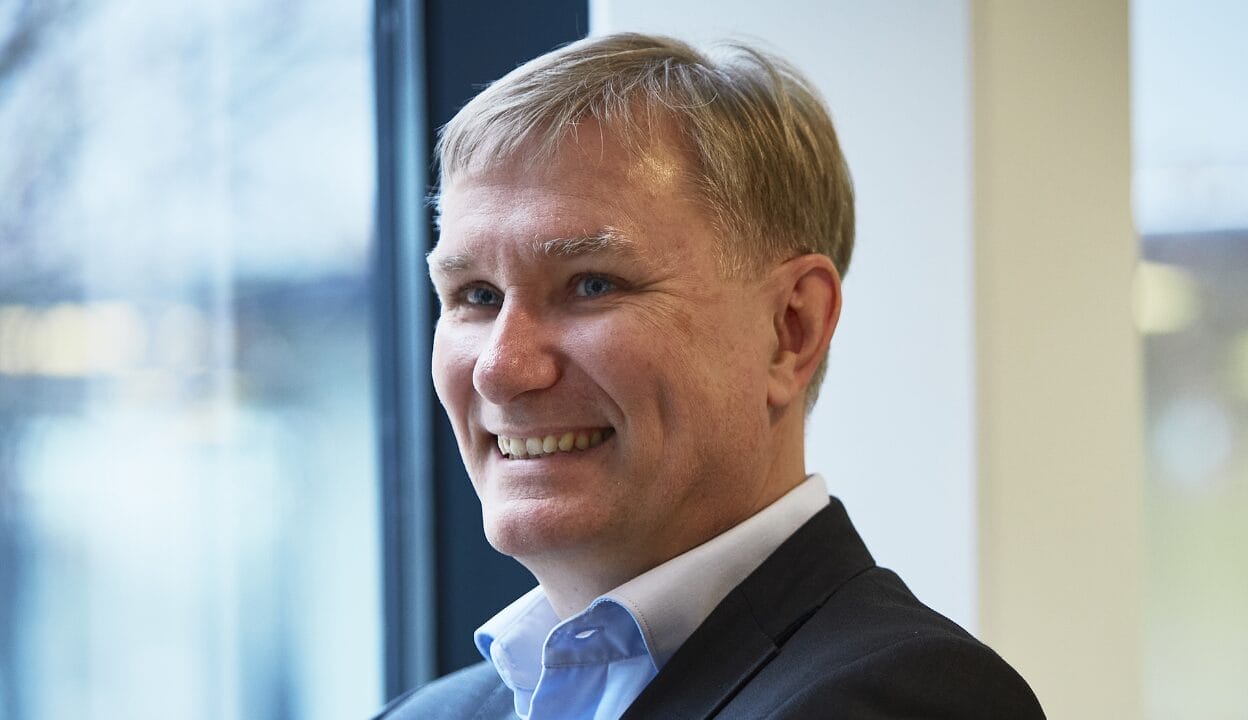
In Denmark’s fiercely competitive commercial pension industry, Velliv was quick to take action with a root-and-branch overhaul of its pension provision when it experienced a drop in returns in the first half of 2024. It sacked its active equity managers and scaled up internal active strategies and low-cost, index-based investments instead, and stopped allocating to its $4.3 billion alternatives allocation. Thor Schultz Christensen, deputy CIO at Velliv, unpacks the change.
The $25 billion Australian retirement fund for hospitality workers is able to invest in illiquid assets such as infrastructure due to its young membership. The approach has led to top-ranked returns.
The $155 billion Teacher Retirement System of Texas is restoring its target allocation to energy, as experts see favourable conditions due to higher US oil production and continued reliance on fossil fuels. This is at odds with other investors divesting from fossil fuels.
The $6 billion Adventist Health System is considering more risk as it grows and is seeking to gain from efficient processes. The goal remains maximum effectiveness in provision of healthcare.
The $53.8 billion AP7 is using shareholder resolutions to push companies to reveal their true positions on the Paris agreement and other measures. Corporations are taking notice and changing.
Utah Retirement Systems considers its strong balance sheet, history of long-term relationships with managers and nimble governance advantages as its search for GPs in private equity begins.
The $335 billion California Public Employees' Retirement System warned this week that it is greatly exposed to a downturn in global equity markets, as it prepares to monitor active risk closely.






Top1000funds.com is the market leading news and analysis site for the world’s largest institutional investors. It focuses on leading the global investment industry to continuous improvement through case studies of best practice in governance and decision making, portfolio construction and efficient portfolio management, fees and costs, and sustainable investing.
The publication pushes the industry to question whether status quo processes and behaviours to tackle risks and opportunities will be sufficient in the future, and actively campaigns for diversity, sustainability, transparency, innovation and better alignment of fees in the investment industry.
Top1000funds.com is read by investment professionals in more than 40 countries.

Investor Profile