
South Dakota takes risk to bottom rung
The $14.2 billion South Dakota retirement system is sitting on cash and T-bills to hedge against equity-type risk seeping into its portfolio. The fund remains opportunistic and won’t rule out fossil fuels.
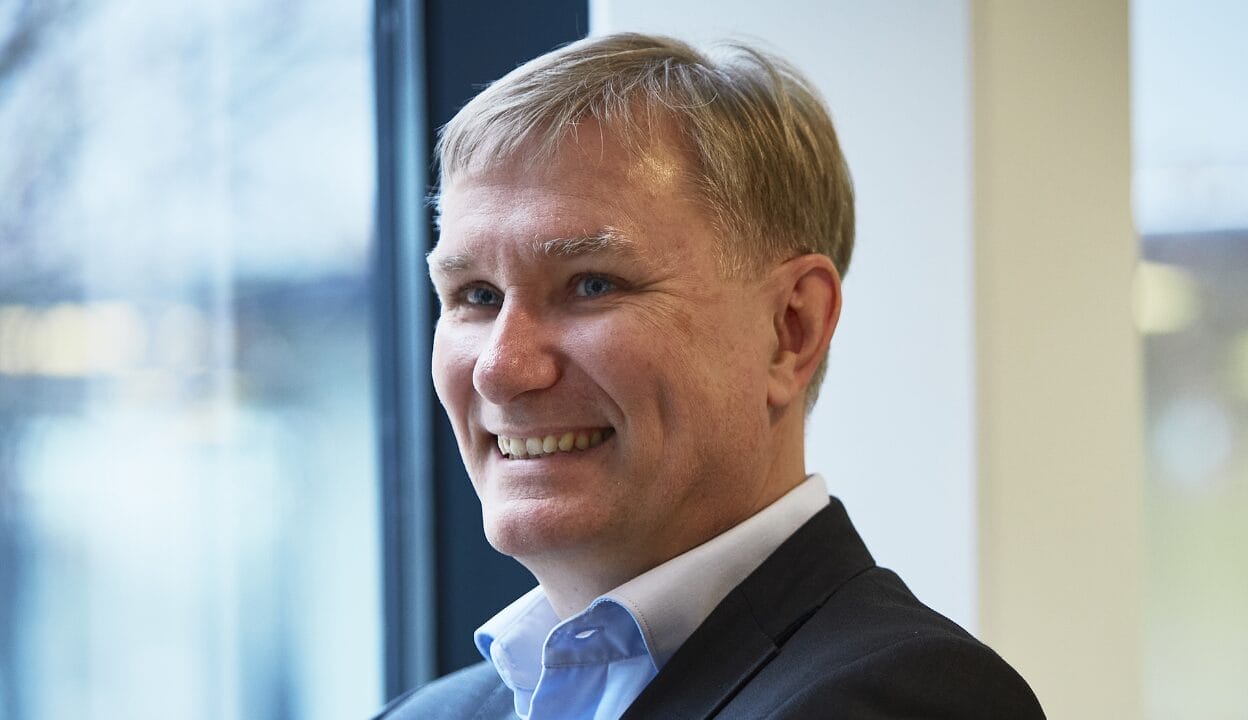
In Denmark’s fiercely competitive commercial pension industry, Velliv was quick to take action with a root-and-branch overhaul of its pension provision when it experienced a drop in returns in the first half of 2024. It sacked its active equity managers and scaled up internal active strategies and low-cost, index-based investments instead, and stopped allocating to its $4.3 billion alternatives allocation. Thor Schultz Christensen, deputy CIO at Velliv, unpacks the change.
The $14.2 billion South Dakota retirement system is sitting on cash and T-bills to hedge against equity-type risk seeping into its portfolio. The fund remains opportunistic and won’t rule out fossil fuels.
The $77 billion Denmark pension fund PFA has turned to direct investment for its alternatives, taking stakes with varying levels of risk in areas such as telecommunications and wind farms.
The surprise ousting of CalPERS board president Priya Mathur heralds a leadership shake-up that could place final approval of an expanded private equity program on hold.
The CIO of the $3.5 billion foundation is looking to augment a legacy built on the famous cereal company’s stock by beating most of the US to the punch on adopting AI and machine learning.
The $43.6 billion Missouri education pension plan is a leader on transparency and costs, parsing out management and performance expenses in its annual report and negotiating less costly mandates.
The $37 billion Utah Retirement Systems (URS) will allocate to private equity managers directly, rather than through funds-of-funds, for the first time since it began investing in the asset class 35 years ago.






Top1000funds.com is the market leading news and analysis site for the world’s largest institutional investors. It focuses on leading the global investment industry to continuous improvement through case studies of best practice in governance and decision making, portfolio construction and efficient portfolio management, fees and costs, and sustainable investing.
The publication pushes the industry to question whether status quo processes and behaviours to tackle risks and opportunities will be sufficient in the future, and actively campaigns for diversity, sustainability, transparency, innovation and better alignment of fees in the investment industry.
Top1000funds.com is read by investment professionals in more than 40 countries.

Investor Profile