
Equities sell down
To better manage downside risk, the second-largest UK local government pension scheme has a plan to gradually alter its equity allocation.
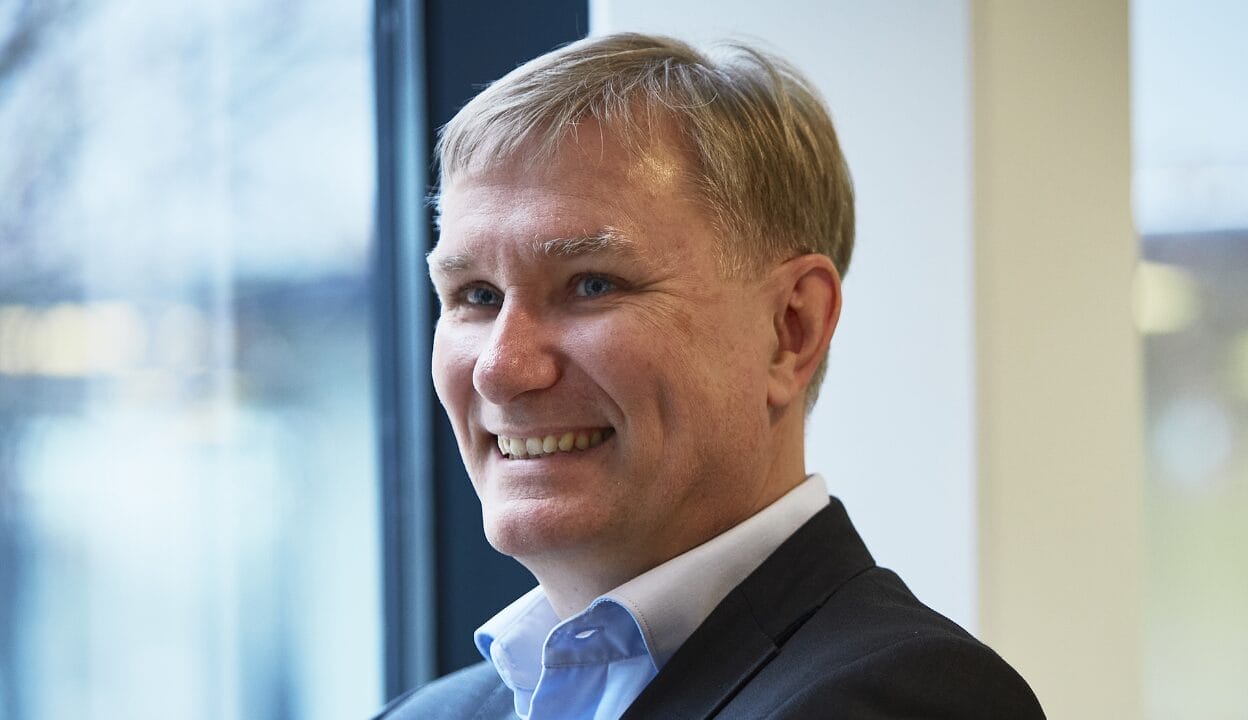
In Denmark’s fiercely competitive commercial pension industry, Velliv was quick to take action with a root-and-branch overhaul of its pension provision when it experienced a drop in returns in the first half of 2024. It sacked its active equity managers and scaled up internal active strategies and low-cost, index-based investments instead, and stopped allocating to its $4.3 billion alternatives allocation. Thor Schultz Christensen, deputy CIO at Velliv, unpacks the change.
To better manage downside risk, the second-largest UK local government pension scheme has a plan to gradually alter its equity allocation.
PGGM has committed to reducing its carbon footprint by 50 per cent, but for many asset classes it doesn’t know what the current carbon footprint is.
AP2, the SEK300 billion Swedish buffer fund, is attracted to the diversification benefits and long-term nature of timber investments.
CalPERS has integrated sustainability into its investment strategy and implementation, and uses asset class-specific criteria to assess managers on ESG.
With its 10th birthday looming, the Future Fund is entering its next incarnation complete with a new investment team structure. AMANDA WHITE spoke to Raphael Arndt, Stephen Gilmore and David Neal. When David Neal, the inaugural chief investment officer of the Future Fund, became its managing director on August 4 last year, his previous role
Self-reliance on asset allocation and employing a partnership style with its managers – based on the mutual exchange of ideas – are the cornerstone of New Zealand Super’s evolved investment approach founded on the confidence of its investment ideas. David Rowley visited the NZ$29.6 billion fund to find out how it does this. On the climb towards the






Top1000funds.com is the market leading news and analysis site for the world’s largest institutional investors. It focuses on leading the global investment industry to continuous improvement through case studies of best practice in governance and decision making, portfolio construction and efficient portfolio management, fees and costs, and sustainable investing.
The publication pushes the industry to question whether status quo processes and behaviours to tackle risks and opportunities will be sufficient in the future, and actively campaigns for diversity, sustainability, transparency, innovation and better alignment of fees in the investment industry.
Top1000funds.com is read by investment professionals in more than 40 countries.

Investor Profile