
France’s FRR ups risk in line with longer term investment horizon

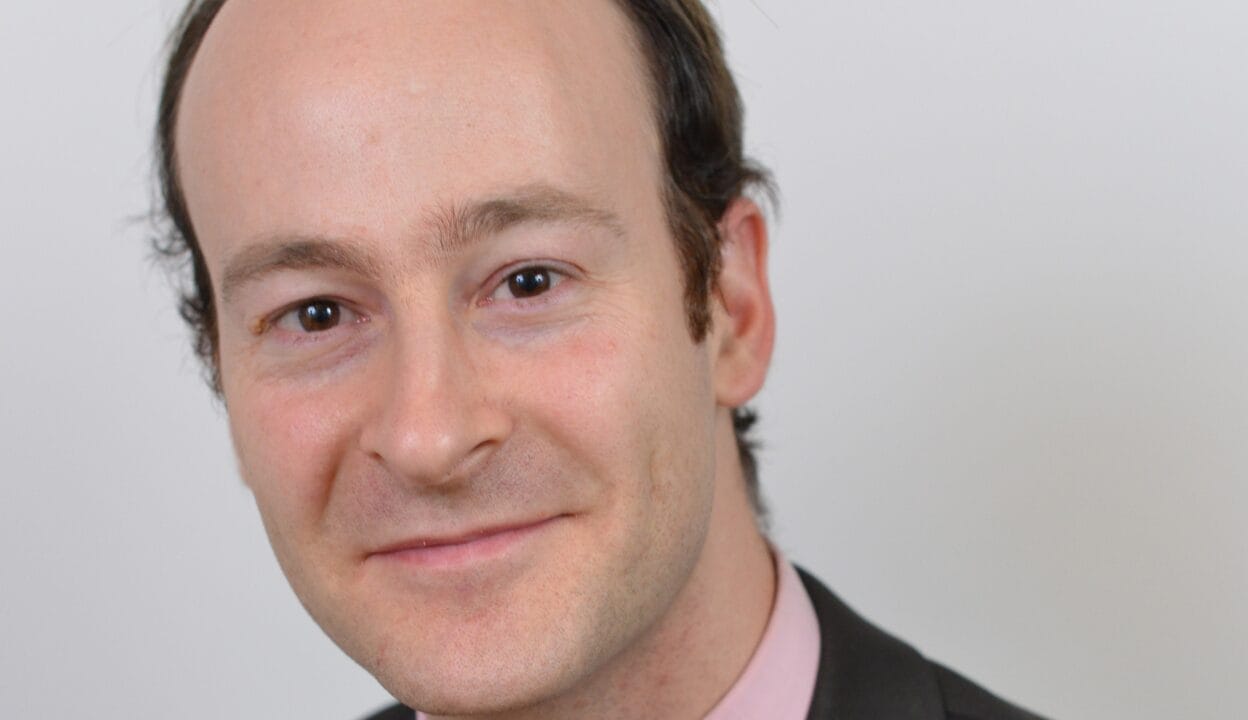
Pierre-Olivier Billard

Fonds de reserve pour les retraites (FRR), France’s €21 billion ($24 billion) pension reserve fund, has increased its weighting to equity in line with a new strategic asset allocation to reflect the investor’s longer return horizon.

Until last year, FRR’s ability to invest long-term was stymied by a regulatory-imposed 2033 horizon that capped its ability to allocate to equity and other performance-seeking assets.

Although the new horizon is still unconfirmed, new chief investment officer Pierre-Olivier Billard who stepped up from overseeing index strategies and the strategic and tactical asset allocation to take the helm from Olivier Rousseau this time last year, says FRR can now confidently invest with a 20-year timeline.

FRR has increased the (unhedged) equity allocation to 46 per cent and the unlisted portfolio to around 15 per cent which is likely to edge higher over time.

Elsewhere, FRR’s so-called intermediary risk allocation is now around 36 per cent and comprises hedged equities with options, high yield corporate bonds and a small allocation to emerging market debt.

The investor also has an 18 per cent allocation to investment-grade fixed income comprising sovereign and French government bonds, and corporate bonds.

Sponsored Content

Selling fixed income to increase equity weighting

Rather than buy equities, FRR increased its exposure to equity in its SAA by selling all its allocation to US investment-grade corporate fixed income as well as some of its allocation to high yield debt and emerging market debt. The proceeds went to finance its annual payment of €1.45 billion to Caisse d’Amortissement de la Dette Sociale, the state-owned special financial vehicle for the financing and debt repayment of the French social security system.

“We automatically increased the equity weighting without having to buy equities. We achieved two goals in one fell swoop,” says Billard in an interview with Top1000funds.com.

Moreover, an equity option strategy enabled the fund to decrease equity risk during April’s market volatility. As FRR’s equity option positions increased in value near the bottom of the market, FRR realised gains by taking off the hedged equity exposure and then hedged again with options when the equity market was at a higher level.

“We managed to gain quite a bit of value through the volatility,” he reflects

All decision-making is done in-house, and the implementations are made by overlay managers Axa Investment Managers and Russell Investments. FRR currently has an open RFP to renew its overlay mandates.

Billard explains that any rise in interest rates supports FRR’s surplus. However, he flags one of the key vulnerabilities of the fixed income allocation comes via an increase in the spread between German and French government bonds. If France’s economic outlook decreased, it could reduce the risk premium of FRR’s investments compared to its cost of resources.

In such a scenario, he says FRR could increase its allocation to French government bonds either with real debt or with futures.

“We are cautious of any moves in the spread; however, we don’t see any signs of stress.”

Pushing more into unlisted assets

The new strategic asset allocation is also allowing FRR to invest more in unlisted assets, where Billard is focused on private equity, private debt and infrastructure with a particular focus on French companies involved in new tech that offers environmental solutions.

“We have estimated that we can invest around €500 million per year in non-listed assets to gain some extra return. We are focusing on the assets and firms that support the French and European economy, and we really try and invest where we can be useful to the economy.”

He sees most opportunities in firms developing new technologies targeting climate and/or defence where FRR is free to invest in line with its ESG policies, and targets classical defence companies to cyber. “There are firms that are developing new technologies where perhaps 20 per cent of their turnover is dedicated to defence but they are not a defence company.”

By law, all FRR’s allocations are managed externally either via mandates (around 80 per cent) or a subscription into collective open, or closed-end funds.

Responsible investment involves more engagement

In another enduring strategy, Billard is also increasing pressure on FRR’s asset managers to engage with investee companies on climate and is putting more weight on engagement in all RFPs.

FRR’s asset managers are required to apply ESG guidelines and criteria, defined by FRR, and are responsible for implementation, selection and engagement in line with the investor’s responsible investment policy. Because of this, he says it is essential that FRR sets out clear objectives at the beginning of the mandate.

“We are in the process of evaluating how to increase the effectiveness of our engagement with firms and asset management companies because we aim to have even more impact.”

FRR continues to decarbonise its portfolio in line with the Net Zero Asset Owner Alliance. So far, around 40 per cent of the equity and bonds allocation has been decarbonised. He reflects that asset owners cannot be sure their engagement will be followed by actions in the long term but he notices that it’s more difficult for companies to row back on pledges if they’ve made a public statement.

Leave a Comment

Long term lens shields Colorado from private credit jitters

Long term lens shields Colorado from private credit jitters

As concerns in private credit mount, Colorado PERA CIO and COO Amy McGarrity says the pension fund isn’t seeing any strains in its growing allocation to the asset class, arguing that long-term investors are shielded from the risks because they can lock up their capital to weather market cycles.

Sort content by

Biases: COVID-19 vaccines and investing in China

Liang Yin from the Thinking Ahead Institute examines omission bias as an explanation for vaccine resistance, and underweighting investments to China. He suggests a framework for overcoming this bias.

Future Fund sceptical on correlations

The Future Fund, Australia’s A$226 billion sovereign wealth fund, has embarked on an ambitious project instigated during the crisis which includes re-examining its investment assumptions, risk tolerance and the way it allocates capital. Amanda White talks to the fund’s new CIO, Sue Brake about where the fund will be allocating in the future including alternatives and active management.

NEST’s PE challenge to the industry

The UK defined contribution fund, NEST has added a number of new asset classes to its portfolio over the past year – including infrastructure with a focus on renewables – but the fund is still missing an allocation to private equity. CIO Mark Fawcett spoke to Amanda White about the fund’s challenge to the industry on private equity fees, its focus on climate-aware portfolios and innovative approaches to portfolio management.

CalPERS CEO on the ALM challenge

The CEO of CalPERS Marcie Frost has a big year ahead. Not only is the fund still searching for a CIO, but it will also conduct its four-yearly asset liability study this year. Frost speaks to Amanda White about the challenges of the top job at the largest fund in the US and how she works to make sure the “real story” of CalPERS gets told.

Debt concerns drive Ohio allocations

Farouki Majeed is worried about the future. His concerns are centred around the implications of the enormous US federal debt; the global competitiveness of the US and Chinese economies; inflation; and the potential erosion of the value of the US dollar.

Coal moves to holistic management

The COVID crisis and the volatility of 2020 has revealed some lessons for the investment team at Coal Pension Trustees (CPT). It has taken a more top down view of managing its portfolio looking at economic themes, risk exposures, cashflows and its manager roster holistically. Amanda White talks to CIO Mark Walker about where it sees return opportunities, the prospect of manager consolidation and how it has embraced technology for better investment practices.

Previous



