
NBIM’s climate advisory board set to manage climate risk and opportunity

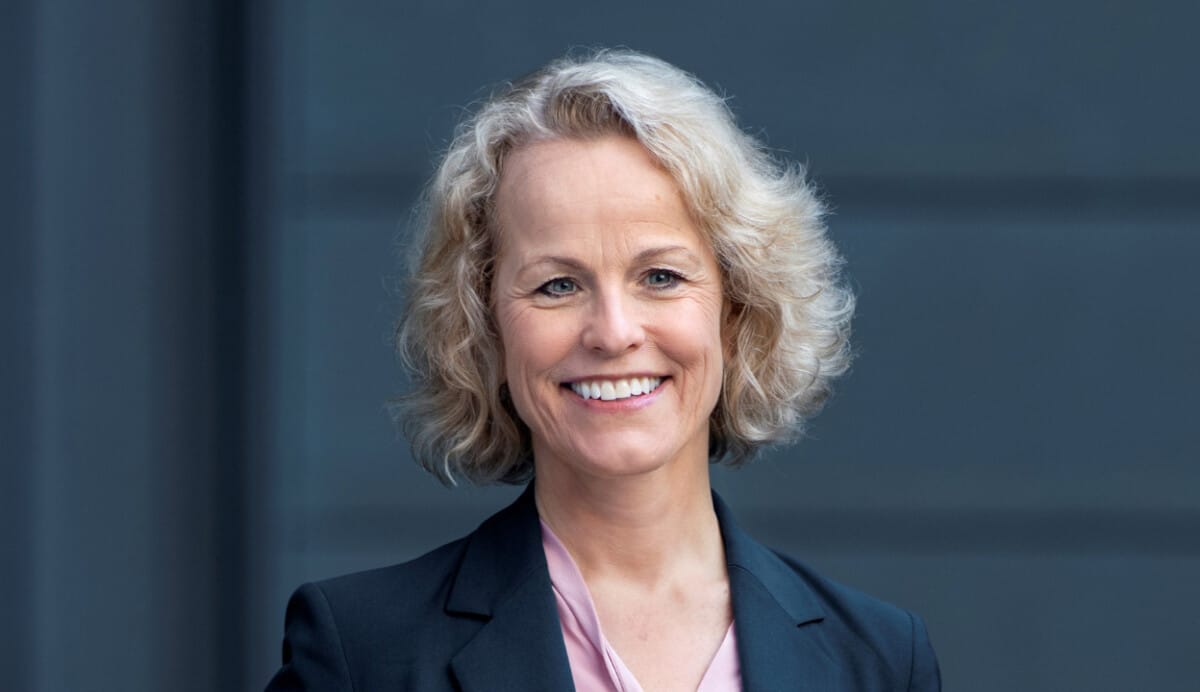
Norges Bank Investment Management has established a new climate advisory board. Carine Smith Ihenacho, chief governance and compliance  officer, spoke to Top1000funds.com and explains the task at hand.

What is the role of the climate advisory board?

The board will advise on NBIM’s approach to managing climate-related risks and opportunities, including the implementation of its climate action plan. It will advise on sustainable finance and climate risk developments, review and contribute to NBIM’s policies on climate risk and advise on the exercise of NBIM’s ownership rights and the appropriate approach to companies, including on voting and dialogue, related to climate risk. It will advise on NBIM initiatives to develop market standards on climate risk, including approaches to regulators and other standard setters. The board will also be responsible for assessing and evaluating NBIM’s climate-related activities, results and reporting against NBIM governing documents and international best practice.

What is the rationale for setting up this advisory board now?

Setting up a Climate Advisory Board is part of the steps we outlined in our Climate Action Plan 2025 last September to be a leader in manging climate-related financial risks and opportunities. As a long-term and globally diversified financial investor, our return depends on sustainable development in economic, environmental and social terms. We will be a global leader in managing the financial risks and opportunities arising from climate change.

The Climate Action Plan sets out the actions we aim to take over the period 2022-2025. These actions are targeted at improving market standards, increasing portfolio resilience, and effectively engaging with our portfolio companies. At the heart of our efforts is driving portfolio companies to net zero emissions by 2050 through credible targets and transition plans for reducing their scope 1, scope 2 and material scope 3 emissions.

Sponsored Content

This is an ambitious plan with a focus on engaging our investee companies to change. We are convinced that we will benefit from the reflections by the board members and their support helping us implement the plan. Climate change is a fast moving-field, and insights from the board members can help us respond to new developments and refine our approach over time so we maintain leadership.

How did you select the board?

We believe that managing climate-related risks as an owner of companies through the climate transition requires a holistic and evolving understanding of how climate affects the global economy and financial markets. We therefore focused in the selection process on identifying candidates with complementary knowledge and insights relating to climate change developments.

The chosen candidates together provide a wide breath of relevant climate expertise spanning academia, business, sustainable finance and civil society with insights into the US, Europe and the specific Norwegian context.

NIMB has appointed Professor Jody Freeman, Jennifer Morris, Huw van Steenis and Bjørn Otto Sverdrup as external members to the board. Jody is Professor of Law at Harvard Law School and an independent director on the board of directors of ConocoPhillips. Jennifer is the chief executive at The Nature Conservancy. Huw is vice chair at Oliver Wyman and was previously chair of the Sustainable Finance Committee at UBS. Bjørn Otto is the chair of the executive committee for the Oil and Gas Climate Initiative.

How will the board challenge NBIM, and how do you envisage the board influencing investment strategy?

The four board members all have a deep and complementing climate expertise. They pick up new developments relating to climate change and their different perspectives can help us evaluate when and in what way we should further develop our approach. Our investment strategy is set out in our mandate issued by the Ministry of Finance. The role of the board is to support us in further developing our approach to managing climate-related risks and opportunities as an owner of companies through the climate transition within the limits of our mandate.


Leave a Comment

La Caisse’s oil exit pays off as renewables portfolio pulls ahead of fossil fuels

La Caisse’s oil exit pays off as renewables portfolio pulls ahead of fossil fuels

Divesting from the oil sector has been a boon for La Caisse’s performance, as the Canadian pension giant says its energy investments have earned billions in value-add compared to the benchmark since the inception of its climate strategy. Head of sustainability Bertrand Millot unpacks the fund’s approach in an interview with Top1000funds.com.

Sort content by

PRI sets strategic vision

This week the PRI launched its new three-year strategy which enables continued delivery of its 10-year Blueprint for Responsible Investment. Martin Skancke and Fiona Reynolds discuss the strategy which comes at a significant moment for the organisation and its global signatories as well as for the wider responsible investment movement.

Asset owners’ role in blended finance

The challenge of matching long-term investing with development needs in emerging and developing countries is discussed by Georg Inderst who suggests it might be time for asset owners to look at their role in blended finance.

Managers’ impact reaches tipping point

Asset managers have a chance to really impact the real economy with their commitment to net zero. The Net Zero Asset Managers Initiative now has 73 signatories and one third of assets in the industry committed. It’s reached tipping point, says one of the initiatives’ founders Ed Mason.

Climate the No.1 priority for 2021

Climate is by far the number one sustainability priority for investors in 2021 according to a poll of asset owners from more than 32 countries which came together for the Top1000funds.com online Sustainability event in March.

The dangers of funding sedition

Scott Kalb and CalSTRS' Aeisha Mastagni discuss what is next for investor action in sustainability. They reflect on the dangers of funding sedition following the 6th January riots. Investors rarely consider the risk of investee companies financing extreme groups, but it threatens the very system on which institutional investment relies.

Steinem: No more labels, just humanity

Gloria Steinem tells institutional investors it is time to ditch the labels that describe our gender, class or ethnicity and urged the investment community to look at investments through the lens of gender, class and racial equality.

Previous




