
Investors’ role in sustainable food

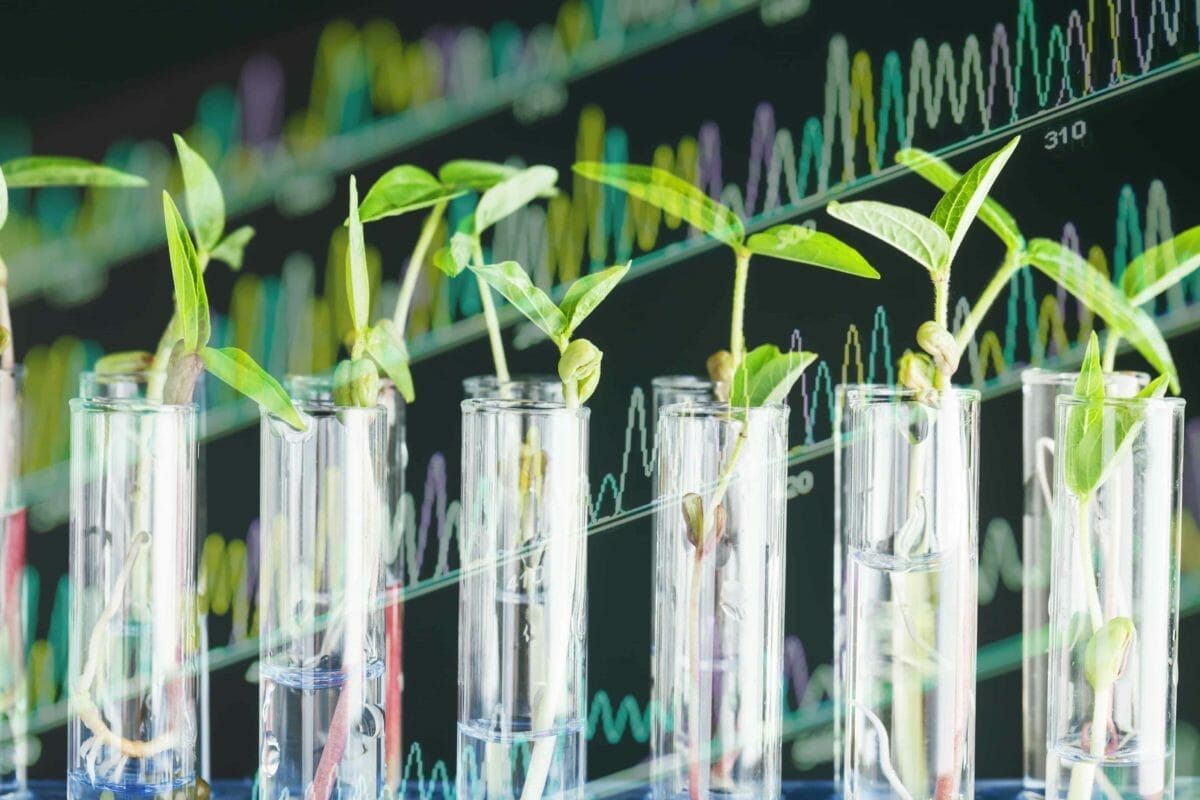
green been sapling studio shot with black background

For more than 50 years, intensively reared animals have been the main source of protein for consumers worldwide, and a major ingredient for multi-billion-dollar brands like Burger King, McDonald’s and KFC.

However, the success of today’s dominant industrialised system of livestock and fish production has come at a cost. The industry is a key driver of antibiotic resistance and is the world’s largest user of freshwater resources. It is also the primary cause of deforestation, accounting for 80 per cent of all agricultural land and for 14.5 per cent of global greenhouse gas emissions.

Meanwhile, the overconsumption of animal proteins, particularly red and processed meat has been linked to a number of growing health concerns including cancer and diabetes.

Rising consumer awareness of these health and environmental concerns has coincided with a boom in food innovation and technology. Plant-based and cell cultured ‘meat’ are now able to replicate the taste, texture and flavour of traditional animal meat products without the associated environmental impacts.

With a growing abundance of tasty new products, two-thirds of consumers are already choosing to eat less meat and more plant-based food. Barclays, JP Morgan, AT Kearney and UBS all predict that the alternative protein meat market will capture a significant portion of the traditional meat market, with projections ranging from 10 – 60 per cent over the next 15-20 years.

For companies and investors alike, this presents significant opportunity, and some are already reaping the benefits. Burger King in the US will be launching the Impossible Whopper nationwide after locations in the trial market outperformed the company’s national foot traffic by 18.5 per cent. In the UK, Greggs’ share price has enjoyed a record high, since the launch of its vegan sausage roll, while Beyond Meat’s IPO this year was the most successful IPO for a major US company this century.

Sponsored Content

By contrast, companies that fail to adapt and innovate threaten their ability to compete, drive growth and achieve long-term sustainability ambitions.

Since 2016, FAIRR, a global institutional network of more than 250 investors has been engaging with 25 of the biggest publicly listed food manufacturers and retailers to encourage these food giants to adopt a comprehensive protein diversification strategy that will help de-risk soft commodity supply chains and drive growth.

We found that the majority of companies are expanding their exposure to plant-based foods.  All the retailers in our engagement have expanded their plant-based product portfolio through increased own-brand or external product offerings.  Some retailers have gone further, with 50 per cent supporting demand through dedicated internal resourcing. Sainsbury’s, for example, now has a meat-free product development manager and Tesco hired a director of plant-based innovation in 2017.

Manufacturers, for their part, are expanding their exposure to low-carbon proteins primarily through acquisitions and direct investments in plant-based food companies. Mondelez and Kraft Heinz have announced venture arms that include plant-based and alternative protein start-ups as part of their remit, while Conagra, Nestlé, Kraft Heinz and Unilever have acquired dedicated plant-based/alternative protein brands.

But, on the whole, ‘Big Food’ has only just begun its journey towards a low-carbon portfolio. No company in our engagement was able to demonstrate a comprehensive approach that includes board-level support to transition product portfolios to include low-carbon and less resource-intensive ingredients and products.

Investors therefore have an important role to play in encouraging their assets to understand the scale of the shift that is currently underway and to adopt a strategy to leverage innovation and new technologies to drive long-term value creation.

Jo Raven is the engagement manager at FAIRR.

Leave a Comment

La Caisse’s oil exit pays off as renewables portfolio pulls ahead of fossil fuels

La Caisse’s oil exit pays off as renewables portfolio pulls ahead of fossil fuels

Divesting from the oil sector has been a boon for La Caisse’s performance, as the Canadian pension giant says its energy investments have earned billions in value-add compared to the benchmark since the inception of its climate strategy. Head of sustainability Bertrand Millot unpacks the fund’s approach in an interview with Top1000funds.com.

Sort content by

Stewardship shifts to impact

The focus of stewardship is shifting from the amount of engagement to its quality. The CFA Institute's Mary Leung argues this presents a unique opportunity for institutional investors and companies to elevate the way they engage and create long term, sustainable value for shareholders.

New benchmarks for ESG accountability

The measurement and management of ESG needs to shift from the current paradigm of self-definitions of sustainability according to founder of the Predistribution Initiative, Delilah Rothenberg. She says the World Benchmarking Alliance’s new initiative – the Financial System Transformation Benchmark –aims to address the critical gaps which may result in valuation methodologies and incentive structures changing.

Principles of a climate-impact dashboard

The climate-impact dashboard is part of a 3-D investment framework that balances risk, return and impact. This includes total portfolio thinking, long-horizon investing, impact investment strategies, system-level engagement and strategic partnership between asset owners and asset managers. Here Tim Hodgson lays out eight guiding principles to help shape a climate-impact dashboard.

NBIM prepares to up voting transparency

The world’s largest sovereign wealth fund says that voting is one of the most important tools to safeguard the fund's assets. Ahead of the AGM season getting underway, NBIM - which is the largest single owner of global stock markets - plans to publish its voting decisions five days ahead of corporate meetings in a bid to increase transparency.

Old Mutual SuperFund on COVID and ESG

Hugh Hacking from South Africa's Old Mutual SuperFund refects on the impact of the pandemic on the fund and the importance of ESG integration in its externally managed portfolio.

CalSTRS takes on ExxonMobil

The $255 billion Californian pension fund, CalSTRS, has embarked on a new era of “activist stewardship” which will see it take on large companies such as Exxon Mobil which have not responded to shareholder engagement.

Previous




