
Energy markets post-COVID, amid a conflict and in a decarbonising world

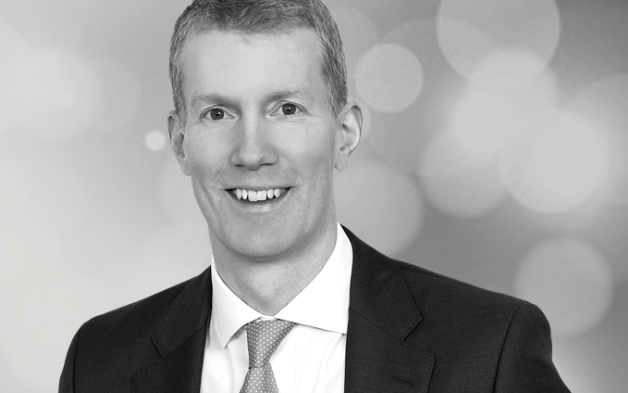
Tom Nelson, head of thematic equity at Ninety One, talks to Conexus Financial managing editor Julia Newbould about the extent of the shock to energy markets through the Ukraine War and how it will impact the transition to clean energy and how portfolio managers can invest in renewables and achieve carbon zero targets in this volatile market.


What is the Fiduciary Investors series?

Through conversations with academics and asset owners, the Fiduciary Investors Podcast Series is a forward looking examination of the changing dynamics in the global economy, how decision making should adjust for different market pressures and how investors are positioning their portfolios for resilience.

The much-loved events, the Fiduciary Investors Symposiums, act as an advocate for fiduciary capitalism and the power of asset owners to change the nature of the investment industry, including addressing principal/agent and fee problems, stabilising financial markets, and directing capital for the betterment of society and the environment.

Like the event series, the podcast series, tackles the challenges long-term investors face in an environment of disruption,  and asks investors to think differently about how they make decisions and allocate capital.

Sponsored Content

Leave a Comment

Why Asian equities’ growth will outlast the AI-driven semiconductor cycle

Why Asian equities’ growth will outlast the AI-driven semiconductor cycle

In the latest episode of the Fiduciary Investors Series, Liao spoke with Top1000funds.com Asia Pacific correspondent Darcy Song on why the convergence of innovation, demographics and improving shareholder returns makes Asian equities an increasingly compelling diversification trade for asset owners navigating a geopolitically fractured world.

Sort content by

COVID-19 and the role of sustainability

This conversation with Joel Pohin, director of the portfolio management division, Caisse des Depots looks at how the fund is positioning the portfolio during this time of uncertainty and the role of sustainability in the short and long term.

Is Europe in trouble?

In this Fiduciary Investors series podcast Amanda White talks to Iain Begg, Professsorial Research Fellow at the European Institute, London School of Economics and Political Science, about the economic and social turmoil of COVID-19 and the robustness of the EU to deal with this economically.

Alleviating global poverty: the role of the investor

Esther Duflo, the Abdul Latif Jameel Professor of Poverty Alleviation and Development Economics at MIT and current Nobel Prize winner in Economics discusses the impact of the coronavirus pandemic on developing countries, and the role that investors can play in alleviating poverty.

The future of the corporation

In this Fiduciary Investors Series podcast Amanda White talks to Henry Richards, who is the project lead on the Future of the Corporation at the British Academy. The discussion is part of our exploration of purposeful companies and the premise that we need to redefine business in the 21st century to build trust between corporations, investors and society.

CalPERS: Leverage, liquidity, inflation

In this Fiduciary Investors series podcast Amanda White talks to Ben Meng, chief investment officer of CalPERS, the largest pension fund in the United States. Meng, who oversees an investment office of nearly 400 employees and manages investment portfolios of roughly $400 billion, talks about the fund’s plan to achieve its 7 per return target - including the use of leverage – the liquidity management of the fund and how it could deploy capital during the crisis, and the inflation.

Responsible capitalism: data challenge

In this Fiduciary Investors Series podcast Amanda White talks to chief executive of the Sustainability Accounting Standards Board, Janine Guillot, about stakeholder capitalism and the role investors can play in shifting the dial. We discuss the value SASB can play as a tool for decision making and how stakeholder issues can impact performance.



