
Corporate resilience during COVID-19

The authors study whether during the 2020 COVID-19 induced market crash, investors differentiate across companies based on a firm’s human capital, supply chain and operating crisis response.
The authors study whether during the 2020 COVID-19 induced market crash, investors differentiate across companies based on a firm’s human capital, supply chain and operating crisis response.

The Milken Institute is tracking the development of treatments and vaccines for COVID-19. There are currently more than 2.5 million confirmed cases globally, 114 treatments in consideration and 79 vaccines in development.

In this memo Bill Gates shares his views of how to accelerate global innovation, which is the key to limiting the damage to society and the economy. This includes innovations in testing, treatments, vaccines, and policies to limit the spread while minimizing the damage to economies and well-being.

Investors are putting pressure on companies to accelerate the shift to purpose-driven leadership and focus on human capital policies during the crisis. But while there are some examples of corporations making policy changes that positively impact their workers, supply chain issues pose a significant problem.
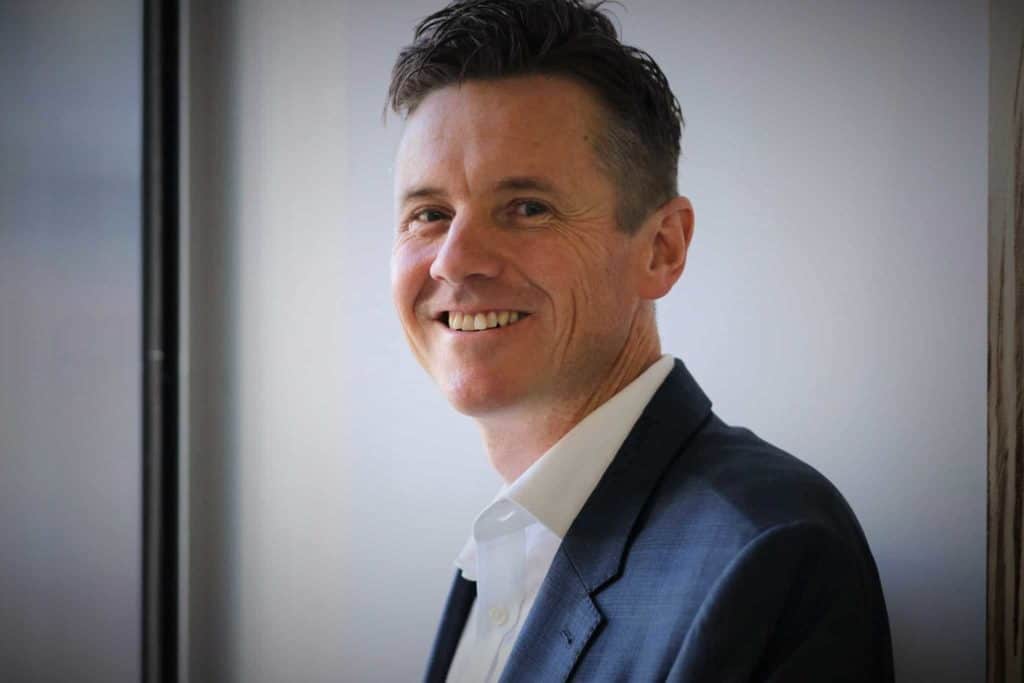
The current coronavirus crisis has created investment governance challenges for Australia’s superannuation funds – with regard to liquidity requirements – that are relevant to any DC scheme which invests in illiquid assets. It highlights the potential impact of agency issues on decision-making during a crisis environment.
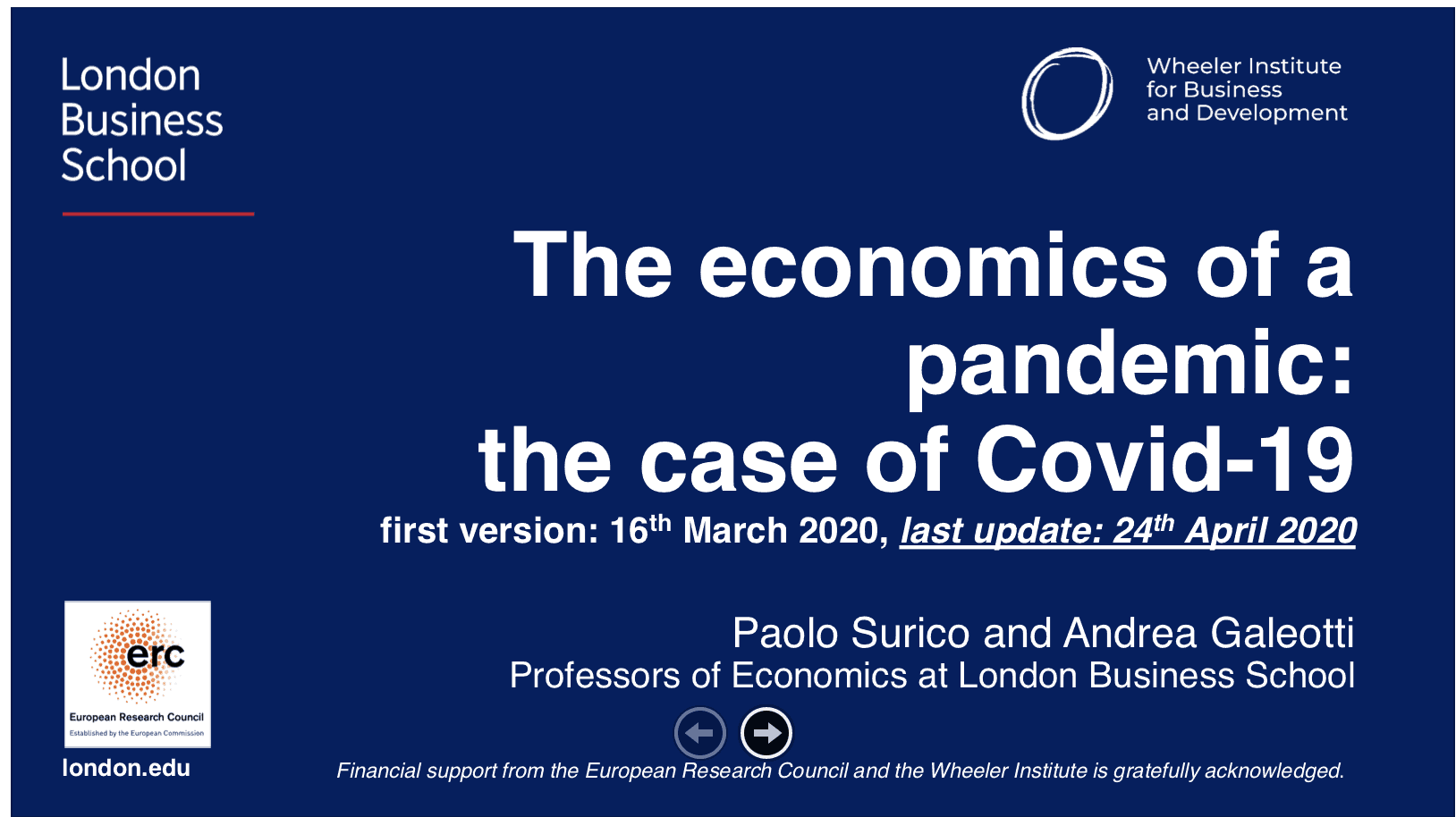
This lecture by professors of economics at the London Business School looks at the science, health policies, economics and macroeconomic policies related to COVID-19.





Top1000funds.com is the market leading news and analysis site for the world’s largest institutional investors. It focuses on leading the global investment industry to continuous improvement through case studies of best practice in governance and decision making, portfolio construction and efficient portfolio management, fees and costs, and sustainable investing.
The publication pushes the industry to question whether status quo processes and behaviours to tackle risks and opportunities will be sufficient in the future, and actively campaigns for diversity, sustainability, transparency, innovation and better alignment of fees in the investment industry.
Top1000funds.com is read by investment professionals in more than 40 countries.
