
Mega pools: Brunel and ACCESS become casualties in ongoing LGPS shake-up

Laura Chappell

One of the most prominent and successful of the United Kingdom’s eight Local Government Pension Scheme (LGPS) pools, the £31 billion Brunel Pension Partnership, renowned for its responsible investment strategy, has been told by the Labour government to merge with another pool as it begins enacting plans for fewer, larger pools to better manage the £392 billion LGPS to “back Britain” and drive investment in productive assets.

Brunel, together with £52 billion ACCESS which manages assets for 11 LGPS pension funds in southern England, has been told their business plans don’t meet the government’s vision for the future of the LGPS. Both must now notify ministers which other pool they will merge with by the end of September.

The decision has blindsided Brunel because other LGPS pools such as the £25 billion Wales Pension Partnership and £62.7 billion Northern LGPS (a partnership between Greater Manchester Pension Fund, Merseyside Pension Fund, and West Yorkshire Pension Fund) were given the greenlight on their pooling plans but are not Financial Conduct Authority regulated – a key government requirement.

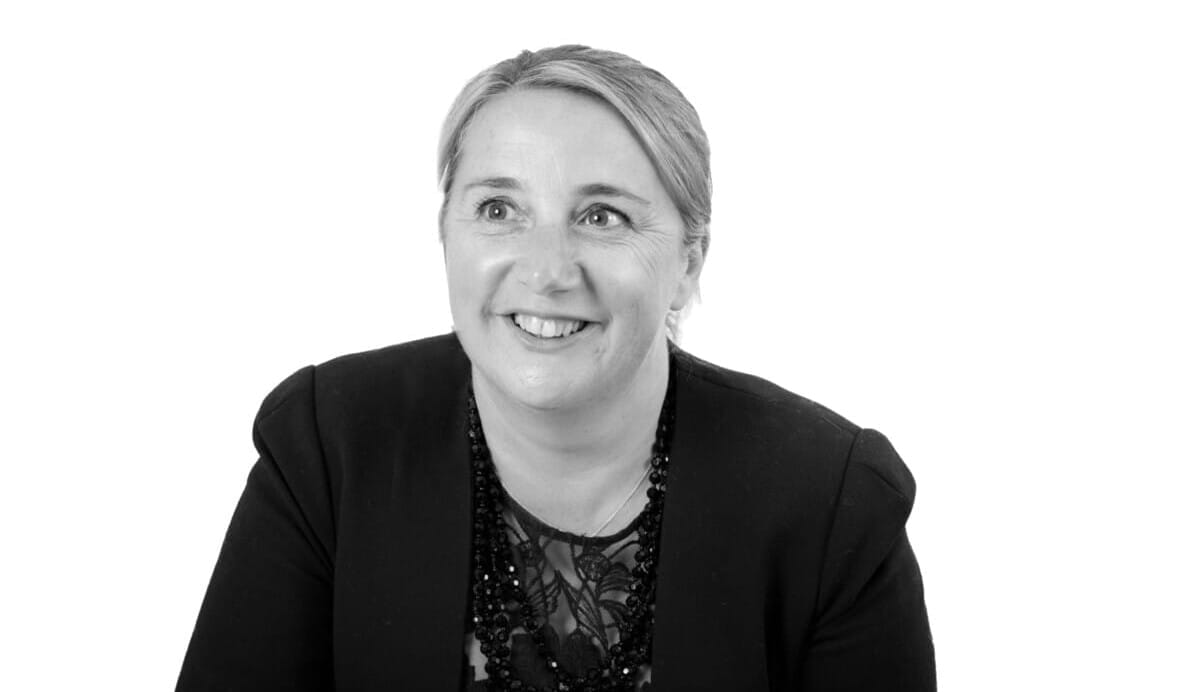
In a statement on Brunel’s website, chief executive officer Laura Chappell outlined how Brunel has met other pooling criteria it was tasked to achieve. Around 90 per cent of client funds’ assets have transitioned to the pool; cost savings amounted to £46 million per year by 2023-24, and Brunel also has a large allocation to the UK – 32 per cent of all pooled AUM was invested in the UK at the end of Q1 2024.

“In short, we did not simply meet the initial aims of pooling: we exceeded those aims and blazed a trail in Responsible Investment across the global asset owner space. For these reasons, we strongly reject any suggestion that weaknesses as a pool explain the government’s recent invitation to Brunel’s partner funds to seek an alternative pooling arrangement,” writes Chappell.

A blow to responsible investment

Brunel’s achievements in responsible investment are particularly noteworthy. Brunel staff hold positions including chair of the Institutional Investors Group on Climate Change and in the Investor Advisory Group for ISSB. Brunel also contributed to the investment industry’s most widely-used net zero framework and has pioneered Paris-aligned passive indices.

Sponsored Content

Brunel’s expertise and wide ESG offering to client funds may not be matched in investment strategies offered by other pools.

Writing in a personal capacity on LinkedIn, Adam Matthews, chief responsible investment officer (CRIO) at Church of England Pensions Board said:

“I personally view [Brunel] as one of the most credible practical examples of what it is to be a responsible investor. Be under no illusion what you have pioneered and driven has made a real world difference.”

Costs for ACCESS

ACCESS, which has already pooled £50 billion from its 11 partner funds, also criticised the government’s decision and warned that a merger with another pool would incur significant additional costs.

In a statement, the pool said a merger with either Local Pensions Partnership or Border to Coast Pension Partnership would incur estimated transition costs of between 28 and 36 basis points, based on the value of active listed assets already pooled. This equated to approximately £100 million, and double the cost of building its own vehicle – something it called  “unnecessary expenditure of tens of millions of pounds and a financial burden on our plan members which could alternatively be used to invest in U.K. productive finance initiatives.”

Last year, Chancellor of the Exchequer Rachel Reeves travelled to Toronto where she gleaned ideas from Canada’s Maple 8 bosses on how to create a “Canadian style” pension model in the UK. LGPS consolidation is expected to be a key pillar of the upcoming Pensions Bill, which is anticipated to be brought before the UK parliament in the coming months.

Leave a Comment

Temasek likely to miss 2030 climate target dragged by aviation, energy investments

Temasek likely to miss 2030 climate target dragged by aviation, energy investments

Temasek chief executive Dilhan Pillay says the sovereign investor is likely to miss its 2030 interim climate target, as exposures to the aviation and power generation sectors are crimping the investor’s ability to reduce portfolio target emissions. But the $339 billion fund is sticking to its net zero by 2050 goal, stressing the slower decarbonisation pace "reflects the realities of the broader global economy."

Sort content by

Abu Dhabi’s ADQ steps up engagement with EM economies

Abu Dhabi-based sovereign wealth fund ADQ kicked off the new year forging two global investment partnerships, as the fund seeks to boost its influence in emerging markets by deploying capital in critical areas such as infrastructure and urban development.

AIMCo sheds more costs with NYC, Singapore offices the latest casualties

The C$169 billion Alberta Investment Management Corporation has shut its Singapore and New York offices and sacked high-profile investment staff as part of a “strategic re-alignment of resources” under the leadership of former Canadian prime minister and now chair of AIMCo Stephen Harper.

ML forecasts trump analyst coverage over long horizons: Research

Machine learning forecasts of corporate earnings outperform analyst forecasts, by revealing new information, economically important predictors and capturing non-linear relationships. Investors can use ML models as a less-biased forecast and a decision-making tool for when there is a vacuum of analyst coverage, an award-winning research paper has found. 

US, Australia the fastest growers as global pension assets hit $59 trillion

US and Australia have the fastest growth in pension assets among the world’s seven largest markets, as defined contribution-dominated countries helped push global pension assets to $58.5 trillion by the end of 2024.

AP2 finds gender diversity takes backward steps at Swedish corporates

The proportion of female board members overseeing listed Swedish companies has edged downwards in the past year, currently back to 2022 levels. AP2's Female Representation Index finds some way to go until companies reach the goal of 40 per cent women on the boards.

Previous



