
CalPERS: Why investments in oil and gas groups are also climate solutions

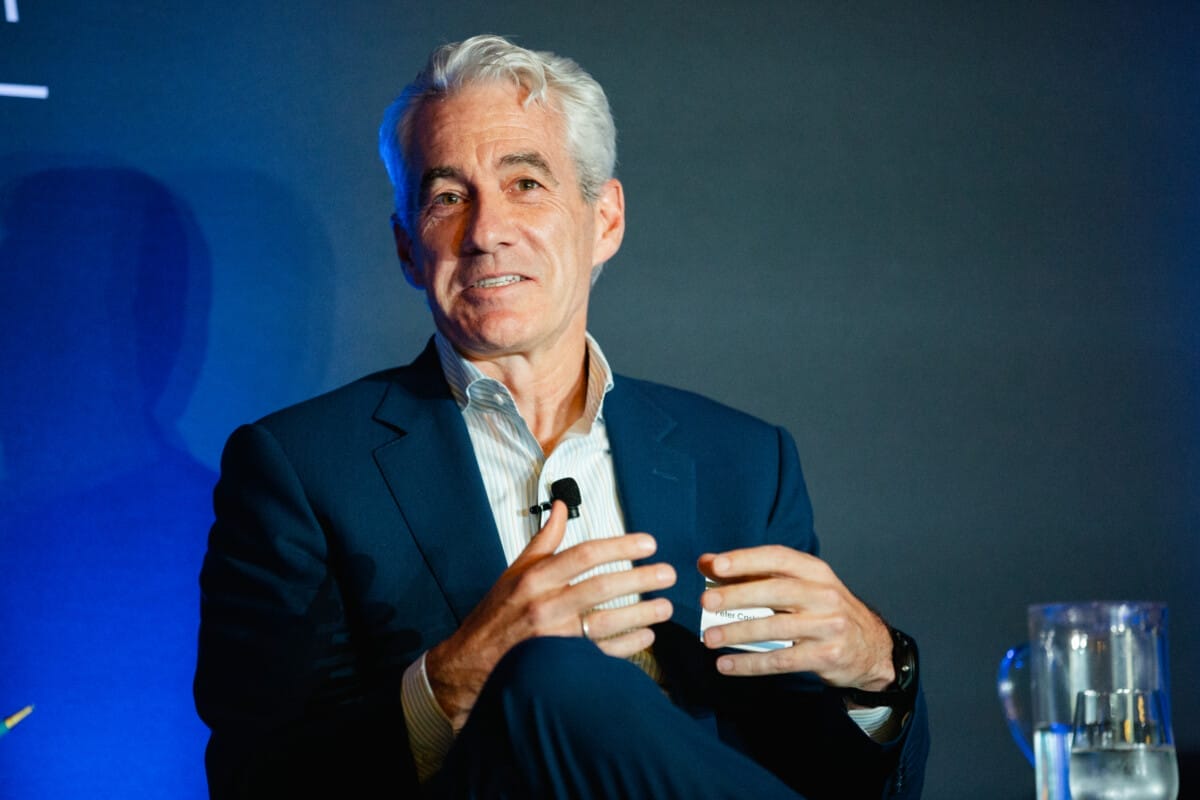
Peter Cashion

CalPERS has hit back at criticism from a coalition of environmental advocates and public sector unions, California Common Good, that its flagship $53 billion sustainable portfolio which it hopes to double to $100 billion by the end of the decade includes a $3.5 billion allocation to many of the world’s biggest polluters.

The organisation used public records, including filing a California Public Records Act request, to highlight that CalPERS’ climate adaptation, transition, and mitigation investments include holdings in 52 of the world’s largest greenhouse gas emitters. The report aims most of its criticism at CalPERS’ inclusion of seven oil and gas companies in the portfolio.

“Unfortunately, the report raises unfounded concerns that CalPERS isn’t serious about addressing climate change. Even worse, it could be construed as suggesting that CalPERS is intentionally misleading its 2.2 million members and the public about the intent of our climate investing program,” said CEO Marcie Frost in a statement.

Problems in Solutions

CalPERS does indeed classify a small proportion of its investments in oil and gas companies as providing climate solutions, confirmed Peter Cashion, managing investment director for sustainable investments, speaking during the investor’s mid-March board meeting.

Specific business lines at these companies amount to $67 million worth of investments in activities that qualify as climate solutions like developing green biodiesel, carbon capture technology and sustainable aviation fuel.

CalPERS measures portfolio companies’ green business activity using a taxonomy that tracks climate solution investments across three categories – mitigation, adaptation and transition. Under the transition umbrella, Cashion said it is possible for high emitting companies in hard to abate sectors to qualify as providing a climate solution if they have transition strategies that support pro-climate activities.

Sponsored Content

Using this approach, CalPERS values 1 per cent of its $234 million Saudi Aramco holding as a climate solution, for example. Elsewhere the investor classes its $12.6 million investment in Indian coal giant Adani Group’s Green Energy subsidiary as a climate solution.

CalPERS uses a variety of globally recognised data providers to measure companies’ green activity including Financial Times Stock Exchange, HSBC and MSCI and Blomberg. The CalPERS team have sought out best practices supported by the Institutional Investor Group on Climate Change (IIGCC), the EU Sustainable Finance Disclosure Regulation (SFDR), and the European Securities and Markets Authority (ESMA).

Cashion said the allocation reflects CalPERS belief that “a green asset is a green asset regardless of corporate ownership” whereby even if a green asset sits on the balance sheet of an oil producer, it is still viewed as green.

He also reiterated the importance CalPERS places on engaging with oil and gas companies to promote sustainability at these corporations. Witness how CalPERS $5 billion allocation to a Climate Transition Index underweights oil and gas companies with no transition plan.

Frost said that CalPERS’ approach to assessing climate solutions has been iterative in a reflection of the emergence of best practices and additional data. “We wish things were easier. CalPERS has long supported clarity and consistency in climate investing definitions. We reject any suggestion that our methodology wasn’t well researched or independently authenticated,” she stated.

She also reiterated why CalPERS does not support climate divestment, something she called a “a symbolic act that not only ignores the value of climate transformations and investor engagement, but a possible breach of our fiduciary duty as required under the California Constitution.”

Her response underscores the challenges investors face balancing financial returns with their climate commitments. CalPERS believes that its influence can push polluting companies toward greener practices and support funding clean energy technologies. Yet transition progress is slow – and remaining invested is an essential return stream for CalPERS 2 million beneficiaries.

California Common Good also called for more details on the private equity, private debt, infrastructure and real estate holdings CalPERS classifies as climate solutions. The lobby group said this was particularly important given CalPERS has announced plans to increase private holdings to 40 per cent of its portfolio.

Leave a Comment

Temasek likely to miss 2030 climate target dragged by aviation, energy investments

Temasek likely to miss 2030 climate target dragged by aviation, energy investments

Temasek chief executive Dilhan Pillay says the sovereign investor is likely to miss its 2030 interim climate target, as exposures to the aviation and power generation sectors are crimping the investor’s ability to reduce portfolio target emissions. But the $339 billion fund is sticking to its net zero by 2050 goal, stressing the slower decarbonisation pace "reflects the realities of the broader global economy."

Sort content by

AP2: SEC ‘no-action’ rollback could send more shareholder proposals to vote

AP2 has voiced its concerns around what impact the shift in US shareholder proposal exclusions, or the so-called “no-action letter” change, will bring to sustainability-conscious investors, as the Swedish buffer fund gears up for a busy year of engagement in 2026.

Canada to allow retail contribution to new SWF

Canada has established its first national-level sovereign wealth fund with a seed of C$25 billion ($18.3 billion) to underwrite “nation-building” projects like ports, mines and energy infrastructure. In an unusual funding mechanism, the fund will issue a retail product that will allow individual investors to invest with the SWF and “participate in Canada’s growth”.

NPS raises hedging ratio as Korea’s capital outflows weigh on won

South Korean investors’ pursuit of offshore investments has become a significant source of won weakness and triggered a shift in hedging rules for the $1 trillion National Pension Service. With an overseas asset exposure greater than Korea’s national foreign reserves, NPS’ move demonstrates the scale of impact FX risks can have on portfolios.

NY Common joins allocator push on company AI transparency

The $273 billion New York State Common has upped the pressure on portfolio companies to report on how artificial intelligence usage is contributing to layoffs, as AI governance becomes a growing focus in the proxy voting and engagement activities of asset owners.

Future Fund looks to slash external tech spend in cost-cutting drive

Australia's Future Fund is hoping to find tens of millions in cost savings by consolidating arrangements with external data and tech providers and putting a number of roles under review as it reconsiders resourcing in a volatile investment environment that it “expects to endure”.

CalPERS ties pay to collaboration, total fund results under TPA

The $556 billion CalPERS is considering a more complete integration of “collaboration” and total fund results as performance metrics for its executives and investment team as it makes headway in its shift to the total portfolio approach.



