
Velliv reset: More Danish funds lean into low cost DC model

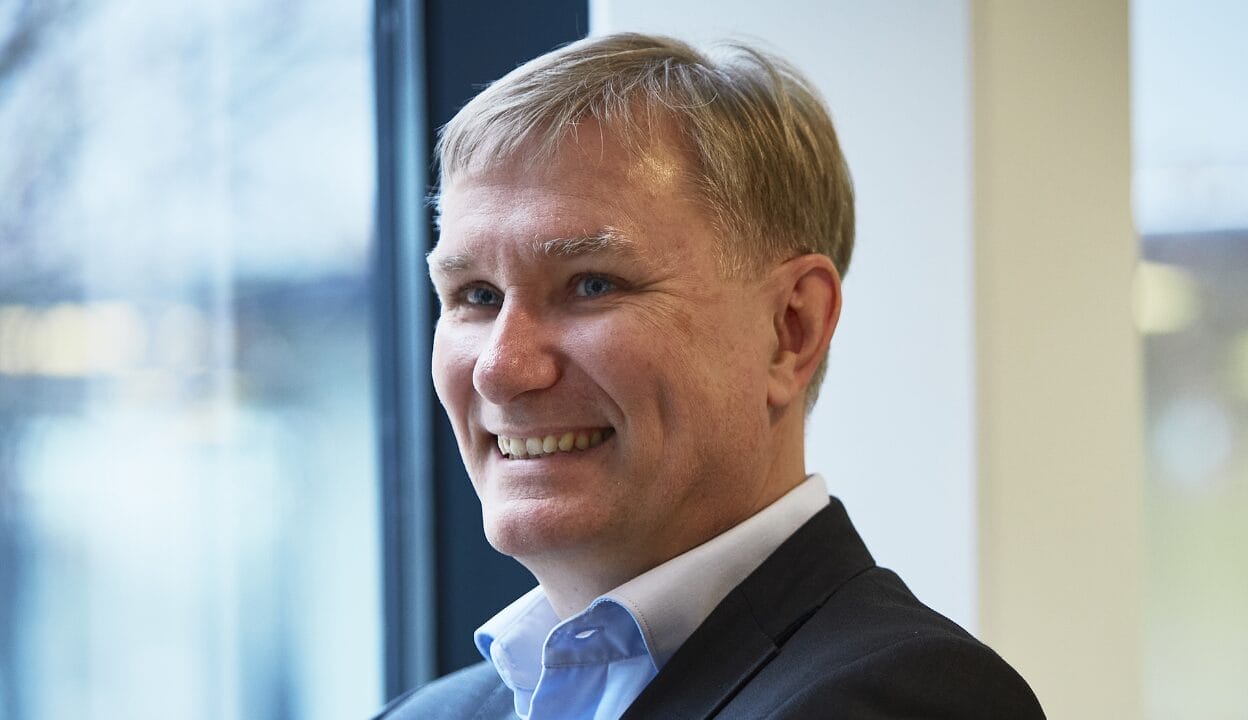
Thor Schultz Christensen

In Denmark’s fiercely competitive commercial pension industry – stoked by an equally competitive community of consultants – when returns at one pension fund fall, it’s not unusual for customers to jump ship to an alternative provider. So when $57 billion Velliv, one of the largest commercial pension and life insurance companies in the country, experienced a drop in returns in the first half of 2024, it was quick to take action.

Velliv embarked on a root-and-branch overhaul of its pension provision. It sacked its active equity managers and scaled up internal active strategies and low-cost, index-based investments instead, which now account for around 60 per cent of DC assets. The fund also stopped allocating to its $4.3 billion alternatives allocation, which hasn’t grown any bigger since the change in strategy.

 “We were lagging and we had to do something about it,” Thor Schultz Christensen, deputy chief investment officer at Velliv tells Top1000funds.

The change also reflects a broad industry trend visible across Denmark where funds like PFA and AP Pension have also rolled out cheaper market-based pension products, and statistics show pension funds are collectively allocating less to alternatives.

Velliv drew up a new investment philosophy rooted in the belief that beating a low-cost passive product is hard and that it is only possible to be right – aka earn alpha – 55 per cent of the time. Within this constraint, Velliv can only use active strategies if they chime with its own core competencies, processes and existing internal skills and tools to boost performance.

The days of trying to boost returns by hunting for new assets to add to the portfolio were over, recalls Christensen.

Sponsored Content

“On the basis that we believe we can be right 55 per cent of the time, we run around 30 internal active sub-strategies that lean into our internal skills and processes of which we expect slightly more than half will work and generate a positive return, and this has proven to work well since initialization. Good returns come from sitting in this intersection of passive and active where tapping into our own competencies gives us better control when it comes to having the right mix of active strategies,” he continues.

One area where Velliv can lean into core competencies is internally run, quant-driven strategies. The investor has developed sub-strategies using equity futures (across large and small cap and global and regional benchmarks) in a market-neutral approach. Another group is directional, overweighting and underweighting equities, bonds and currencies based on key indicators. A third integrates fixed income, focusing on earning carry on inflation and interest rate volatility. This strategy taps into competencies born from managing liabilities in the legacy DB portion of the fund and applying them to the growing DC strategy. 

“The team are very comfortable trading interest rate options and managing hedging strategies to earn a bit extra,” he reflects.

The constant tweaking and adjustments to the passive benchmark and active derivative positions mean the tracking error is higher today than it was two years ago, despite cutting costs by 10 per cent. Other active decisions to support the portfolio include hedging currency risk and monthly rebalancing.

The new strategy gives the internal team full control and ensures that no single position dominates others in a new level of diversification of asset classes and ideas. Before, a handful of positions dominated, characterised by large active mandates that oftentimes had strategies that did the same thing.

“Instead of having alpha and beta mixed together, we have split the two, enabling much more control over how we manage alpha and create value.”

One of the risks of the equity strategy is concentration via sizeable exposures to tech and AI stocks because of this sector’s weighting in the index. Ongoing team discussions include potentially choosing a different benchmark to the MSCI, which is used alongside small-cap, emerging markets and Danish equity indices, he says.

Investing less in alternatives

Velliv’s approach is in direct response to the fact that low-cost passive strategies continue to outperform all other allocations – and have done so for the last 15 years. It’s a trend that has also fed into Denmark’s cost-aware DC savers choosing to allocate less to alternative, unlisted assets like airports, windfarms or defence.

“Until our clients begin using and requesting actively managed alternative products, we won’t offer any new investments in alternatives. Looking at historic returns versus listed equities, it’s not a surprise they have moved away from these strategies,” he says.

According to data from the Danish Financial Supervisory Authority, the country’s pension funds allocated on average 16.3 per cent of assets to alternatives in 2025 compared to 18 per cent in 2023.

As well as the cost of investing in alternatives, the consistency of returns has also put DC savers off, adds Christensen.

The propensity of clients to move between pension funds and between providers’ own internal products – apart from the passive portfolio, Velliv offers less popular active and sustainable products too – also introduces a level of risk for providers if they lock up higher levels of liquidity in alternatives.

Returns as of end of April 2026 are between 3.6-4.5 per cent in what Christensen concludes is an endorsement that cheap, passive products do well, and are hard to beat.

“We’ve done all the right things; the new strategy is working, and we are hopeful the clients we lost will start to move back,” he concludes

Leave a Comment

Finland’s Elo: Larger equity allocations promise new media scrutiny

Finland’s Elo: Larger equity allocations promise new media scrutiny

As Finland's pension funds prepare to increase their equity allocations to unprecedented levels compared to global peers, they must also navigate a new and unfamiliar risk. Elo's chief investment officer Jonna Ryhänen explains the fund's investment approach going forward and how it will manage stakeholder and media scrutiny as they react to swinging volatility and returns.

Sort content by

As inflation batters, TRS eyes natural gas

Inflation woes dominated at a recent TRS board meeting. However the Texas-based fund, one of the few remaining investors in fossil fuels, has benefited from its allocation to energy and is currently eyeing opportunities in natural gas infrastructure as US producers gear up to supply global demand in Russia's absence.

Real assets a haven in likely stagflationary environment

An overweight position in real assets and private equity, and an underweight to equities and bonds positioned the Ohio School Employees Retirement System for success in the last year but CIO Farouki Majeed is now even more convinced a stagflationary environment is likely and is positioning the fund accordingly.

New Jersey flags hedge fund benefits in volatile times

New Jersey Investment Division has found shelter in its hedge funds allocation during recent market turmoil. But the investment division's challenges are underscored by a recent report placing it in the bottom 10 state-wide plans for funded ratio - and holding onto a higher than average ARR.

AP1: In these markets, fortune favours the bold

Formulating strong views and daring to act on them have been critical success factors for Sweden's buffer fund AP1. And they will remain so going forward says CEO Kristin Magnusson Bernard.

The benefits of external investments: UK’s pooled fund backs outsourcing

Other LGPS pools in the UK have appointed CIOs, risk officers and internal teams but the £56 billion ACCESS pool has outsourced all aspects of investments and will remain externally managed. It's now looking for managers as it  pools illiquid assets in private equity, private debt, infrastructure and real estate.

New York State Common’s CIO on Russia, PE and diversity

Investments at New York State Common Retirement Fund, one of the largest pension funds in the US that also boasts a near fully-funded status is run by Anastasia Titarchuk. In an interview with Top1000funds.com she shares her investment outlook, thoughts on private equity and the importance of diversity.

Previous



